

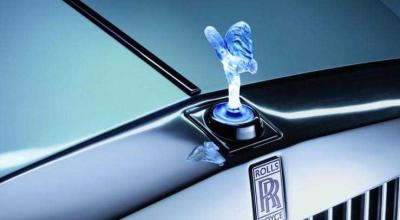
Long before carmakers filled dashboards with screens, an important piece of engine information was displayed outside the windshield. Early automobiles often carried their radiator filler caps at
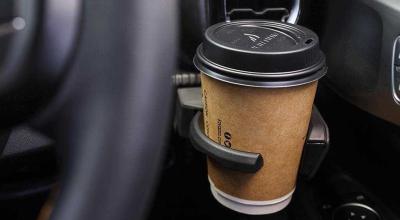
A classic car could provide a cigarette lighter within easy reach of the driver, another for the front passenger and sometimes individual ashtrays for the people in the back. Yet bring a cup of coffee
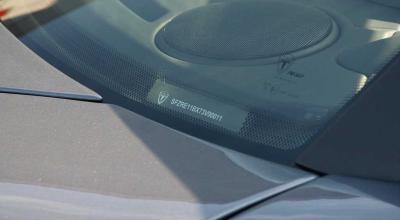
A vehicle identification number has the charm of a password printed by a malfunctioning office computer. It is long, awkward to recite and generally ignored until an insurer, parts supplier or registr
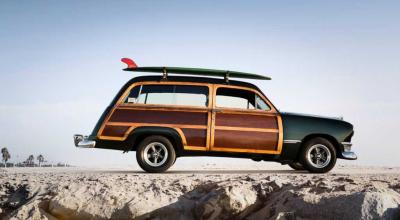
The woodgrain paneling on an old station wagon rarely fools anyone. Even when new, the printed vinyl was not likely to be mistaken for hand-finished mahogany. It was wood in the same way a kitchen
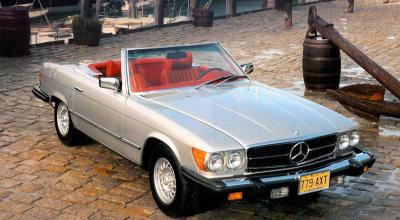
Look at an American car from 1971, then find the same model from 1974. The earlier car may have a slim chrome blade tucked neatly against its body. Three years later, the bumper appears to have lef
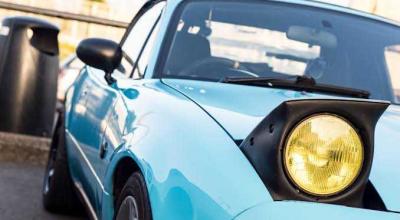
Few automotive features can make a parked car look as alive as pop-up headlights. Turn the switch and two neat sections of bodywork rise from the hood, pause with theatrical precision and reveal the l
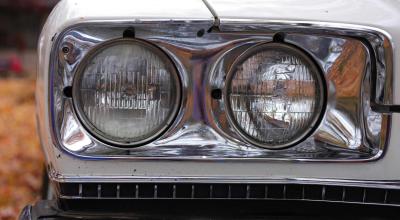
Park a 1940s Jeep beside a Chevrolet sedan, an early Volkswagen Beetle and a British roadster, then look closely at their headlights. The surrounding bodies could hardly be more different. The glass c

A concrete barrier beside a highway looks like one of the least forgiving objects a car could encounter. It is heavy, rigid and often positioned only a few feet from traffic moving at serious speed.
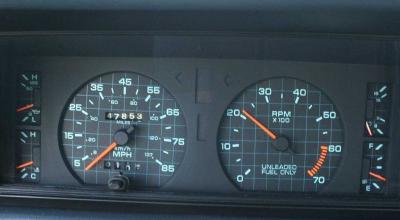
Open the door of an American-market performance car from the early 1980s and something may appear terribly wrong. There is the dramatic driving position, a powerful engine and perhaps a body design
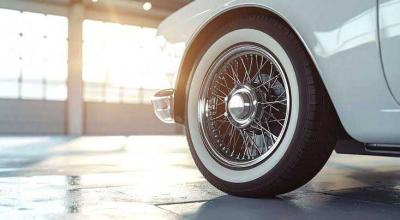
Whitewall tires have become visual shorthand for a particular kind of motoring glamour. Put them on a long Cadillac with chrome bumpers, tailfins and enough hood to host a family picnic, and the pi