Your Dashboard Feels Like Glue. The Dirt May Be the Least of Its Problems
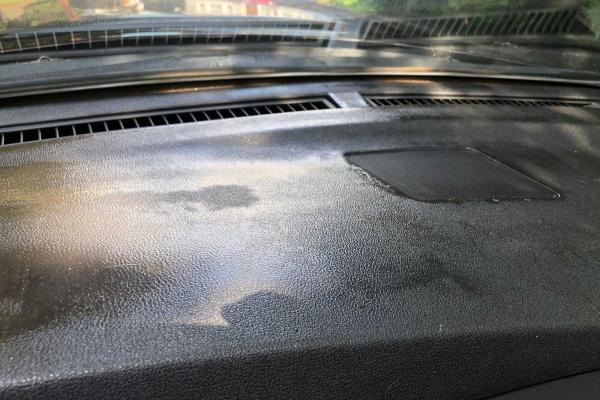
by AutoExpert | 7 October, 2026
The cloth catches halfway across the dashboard. Instead of lifting the dust, it leaves a few fibers behind, and a fingertip pressed against the surface comes away with the unpleasant impression that somebody spilled something sweet over the entire panel.
Another pass with cleaner seems reasonable. So does trying a stronger product when the first one makes little difference. That is where an annoying cosmetic problem can turn into a much larger one.
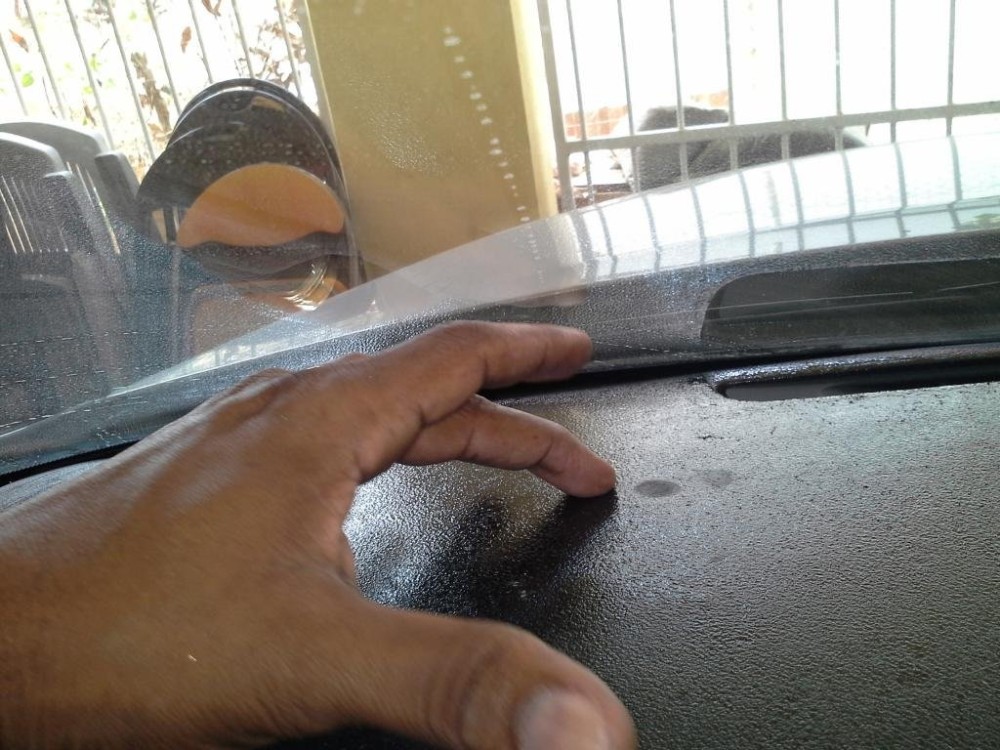
A dashboard can feel sticky because there is residue on it. It can also feel sticky because its surface is deteriorating. In the second case, there may be very little left for a cleaner to accomplish.
Toyota and Lexus documented this problem in manufacturer support programs. Their bulletins describe certain dashboards and trim panels becoming sticky or cracked following prolonged exposure to combinations of heat, humidity and light. The proposed repair for a verified affected panel was replacement.
It can look better in the shade
One particularly useful detail appears in Toyota’s 2015 repair instructions. An affected dashboard could develop a chalky appearance after several hours away from heat and humidity, then become sticky and shiny again when exposed to heat.
That helps explain why the problem may seem intermittent. A panel that looks reasonably presentable in a cool garage can behave quite differently after the car has been parked outside. It is also something worth remembering when inspecting a used vehicle. A morning appointment does not necessarily reveal how the interior will feel on a hot afternoon.
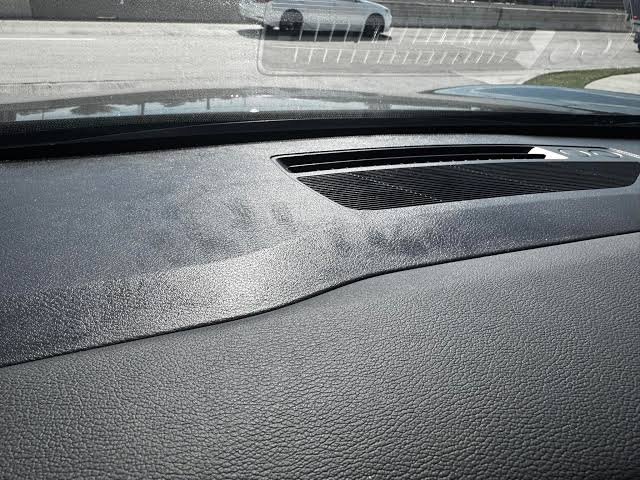
The same instructions acknowledge another possible explanation for shine: aftermarket interior dressings. Appearance alone therefore does not settle the diagnosis. A glossy dashboard may have been treated with a product, while a deteriorating one may temporarily look dull.
Before experimenting, check the car’s cleaning instructions. Start with a small, inconspicuous area and the method the manufacturer recommends. Gentle cleaning may remove a deposit. If the cloth begins picking up color, pulling at the surface or leaving an altered patch, stop rather than working harder.
Polish is a poor way to disguise the problem. Toyota owner guidance warns against polish wax and polish cleaner on the instrument panel because reflections can interfere with the driver’s view through the windshield. A shinier finish is hardly a victory if it makes the glass harder to see through.
Find out what failed before choosing the repair
Once normal cleaning has failed, ask a dealer or an interior-repair specialist to identify the affected material. A deteriorating dashboard pad and a sticky finish on a small trim piece may need different approaches. An online solvent trick that strips a removable button is not a sensible starting point for the broad panel beneath the windshield.
Ask what the proposed treatment will do to the texture and color, how long it is expected to last and whether replacement would be more appropriate. If a cover is suggested, confirm that it is suitable for the vehicle and will not obstruct vents or airbag deployment areas.
For a model with a documented history of this condition, supply the VIN and ask the manufacturer or dealer about applicable guidance. The older support-program documents are evidence that the problem was recognized. Their original dates and eligibility terms do not establish that a free repair remains available today.

Keeping the parked interior shaded can reduce direct exposure, but it should not be mistaken for a cure for an already damaged surface. The decision is between managing the condition and repairing it, rather than finding the one cleaner that somehow escaped everybody else’s attention.
And when buying a used car, look beyond the vacuumed carpets and spotless seats. Check the dashboard gently, with the seller’s permission. A panel that grabs your fingers is worth discussing before the keys change hands.