

Your EV Has Finished Charging, but the Plug Won’t Let Go. Look in the Trunk

by AutoExpert | 2 September, 2026
The charging session is complete. The battery has enough range, the dashboard looks satisfied and everyone is ready to leave.
The plug, unfortunately, has made other plans.
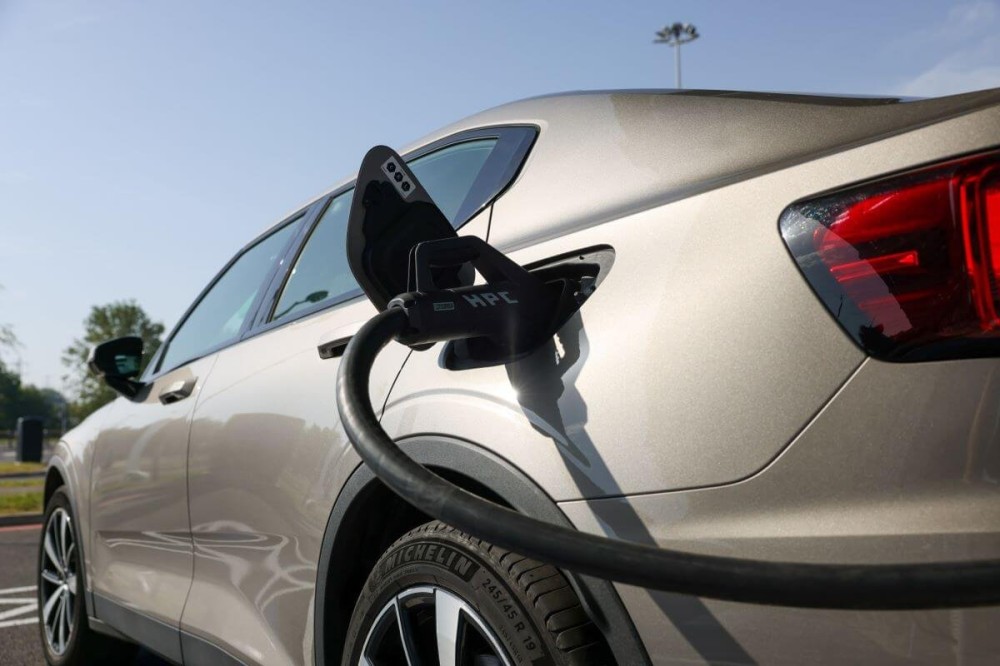
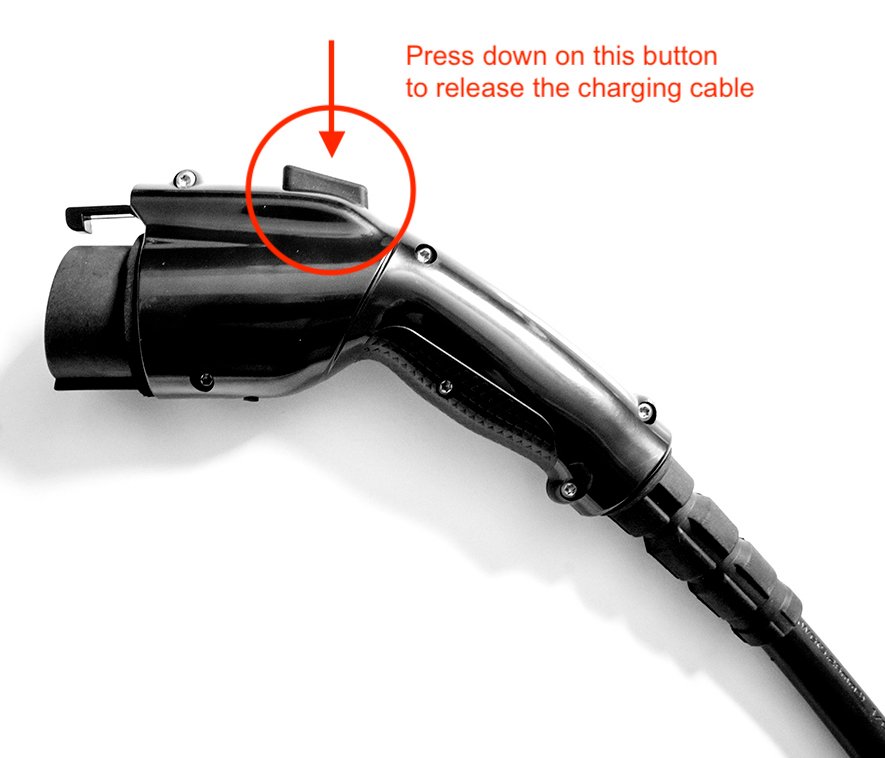
Pressing its release button changes nothing. Locking and unlocking the car produces a collection of clicks, but none from the part that needs to move. After several increasingly irritated attempts, the vehicle feels less like an electric car and more like a large appliance permanently attached to a wall.
Most EVs lock the charging connector deliberately. The lock prevents somebody from unplugging the car while it is charging and helps ensure that the electrical connection is safely interrupted before the plug is removed.
When the normal unlocking system fails, many manufacturers provide a mechanical backup hidden somewhere inside the vehicle.
Give the normal release another chance
Before searching through the trunk with a flashlight, confirm that the charging session has actually stopped.
Depending on the car and charger, pressing the connector button may request a stop rather than release the plug instantly. Public chargers often require the session to be ended through their screen or app. Home charging equipment may have its own release procedure.
The vehicle may also require the doors to be unlocked. Some models relock the charging port shortly after the car is unlocked, giving the driver only a brief opportunity to remove the connector. Others use a setting that keeps the cable locked whenever charging is active.
Try unlocking the car again using the key, door handle or mobile application. Wait for the charging indicator to show that power transfer has ended, then press the connector release and pull straight back without twisting.
Check the owner’s manual before improvising. Charging systems vary considerably, even between electric vehicles produced by the same manufacturer.
Cold weather adds another possibility. Ice around the charge-port door, connector button or locking pin can prevent normal movement. Gentle warming may help, but boiling water and aggressive tools belong nowhere near a high-voltage charging connection.
The hidden cable is the mechanical way out
If the electronic release remains unresponsive, the car may have an emergency charging-cable release.
It is often found behind a small access panel in the trunk, close to the side of the vehicle containing the charge port. Other manufacturers place it beneath the hood or behind trim near the charging socket. It may look like a brightly colored loop, pull tab, cord or small handle.
The design is easy to overlook until the day it becomes extremely important.
Ford’s charging guidance, Volvo’s emergency-release instructions and Tesla’s manual-release procedure all describe model-specific ways to release a connector when the usual controls do not work.
The crucial instruction is shared across such procedures: stop charging first.
The emergency cable operates the mechanical lock. It is not intended to interrupt a live charging session. Pulling the connector while electrical current is still flowing can damage the port or connector and create a safety risk.
Once charging has stopped, follow the owner’s manual exactly. Some releases need a gentle pull held in position while another person removes the connector. Others require one firm movement followed by immediate unplugging before the lock re-engages.
Avoid excessive force. A stuck plug is frustrating, but a broken charging socket can turn a short delay into a substantial repair.
Why the electronic lock may stop cooperating
A weak or discharged 12-volt battery is a common suspect. Even though an EV carries a much larger high-voltage battery, its locks, control modules and charging-port actuator usually rely on the smaller 12-volt electrical system. If that battery is struggling, the car may have plenty of driving range but no power to release the connector normally.
A failed locking actuator, damaged connector button, communication error or software problem can produce similar symptoms. Dirt, corrosion and ice can also interfere with the locking pin.
After using the emergency release, check whether the port locks and unlocks normally during the next charging session. A one-off software hesitation may disappear after the vehicle has been restarted. Repeated failures suggest that the actuator, wiring or 12-volt system needs diagnosis.

The emergency cable is a rescue device, not the beginning of a new charging routine. If it becomes necessary every time, the underlying fault has already provided plenty of warning.
Until then, knowing where the release is located can save a tow, a missed appointment and an awkward conversation with the person waiting for the charger.
Finding it before the plug gets stuck is even better.