
Those Fake-Wood Station Wagons Were Copying Cars Built by Cabinetmakers
by AutoExpert | 17 September, 2026
The woodgrain paneling on an old station wagon rarely fools anyone.
Even when new, the printed vinyl was not likely to be mistaken for hand-finished mahogany. It was wood in the same way a kitchen countertop might be marble: cheerful, convincing from several steps away and entirely uninterested in passing a close inspection.
Yet the imitation had a real ancestor. Early station wagons genuinely used timber in their bodies, and some required the skills of cabinetmakers and boat builders rather than the usual production-line machinery.
Fake wood survived for decades because buyers remembered what real wood had come to represent. By the time the material disappeared, its meaning had traveled an extraordinary distance, from inexpensive utility to expensive craftsmanship, then back to mass-market family transport.
The first wagons were working vehicles
The station wagon began as a practical answer to a transportation problem.
Rail passengers arriving at a station needed a vehicle capable of carrying people and their luggage to a hotel, estate or resort. Early “depot hacks” and station wagons provided long bodies, several rows of seats and generous cargo space.
Car manufacturers did not always build complete bodies during this period. A buyer or commercial operator could purchase a chassis and have a specialist body company construct the rest. Wood was a sensible material for low-volume work because it was widely available, relatively easy to shape and familiar to generations of craftsmen.
It also avoided the enormous tooling costs associated with stamping large steel panels.
These early wagons were not built from timber simply to look rustic. Wood formed part of the actual body structure. Ash was commonly used for frames because it combined strength with some flexibility, while more decorative panels could be made from mahogany or other attractive species.
Doors, pillars and rear body sections might all depend on carefully fitted wooden joints. Removing the varnish would not reveal a normal steel wagon underneath. On a genuine woodie, the timber was doing a job.
Ford took the idea particularly seriously. Henry Ford purchased vast forest holdings in Michigan and brought much of the process under company control. When Ford introduced its Model A station wagon in 1929, the company could oversee the timber from forest to finished vehicle.
Building one still required a great deal of human skill. Craftsmen accustomed to boats, furniture and cabinetry assembled structures that changed slightly with temperature and humidity. Machines could stamp identical steel panels all day. Wood had opinions.
Practical wood became a luxury
A timber body needed regular attention. Varnish deteriorated, joints loosened and moisture found its way into places owners would rather it did not. Neglected wood could warp, split or rot. Even a well-kept wagon asked for more care than a steel-bodied sedan.
As mass production improved, steel became the more practical choice. It was faster to assemble, easier to paint and considerably less interested in the weather.
Real woodies might have disappeared as outdated commercial vehicles. Instead, their labor-intensive construction made them special.
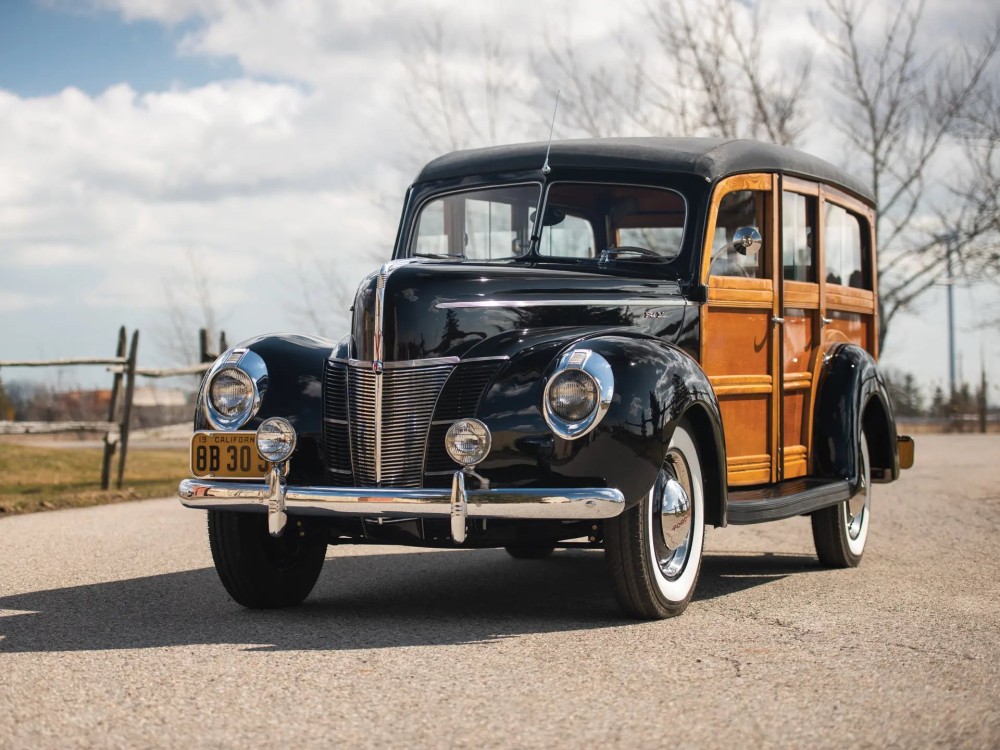
By the 1940s, a wood-bodied station wagon could be a costly, low-volume product bought by wealthy families, country estates and luxury resorts. Polished timber suggested craftsmanship and leisure. The working wagon had acquired the social status of expensive furniture.
Ford’s 1940 Deluxe Woody Wagon captures that transition beautifully. According to the Audrain Automobile Museum, wood-bodied cars had moved from inexpensive utility vehicles to premium products assembled in relatively small numbers. The qualities that made wood inconvenient also made it exclusive.
Then the industry learned how to preserve the appearance without preserving the maintenance.
When the wood stopped being wood
After World War II, manufacturers moved rapidly toward all-steel station-wagon bodies. Some transitional models retained genuine wooden framing or decorative timber over a metal structure, but structural wood was gradually engineered out.
The visual connection remained valuable.
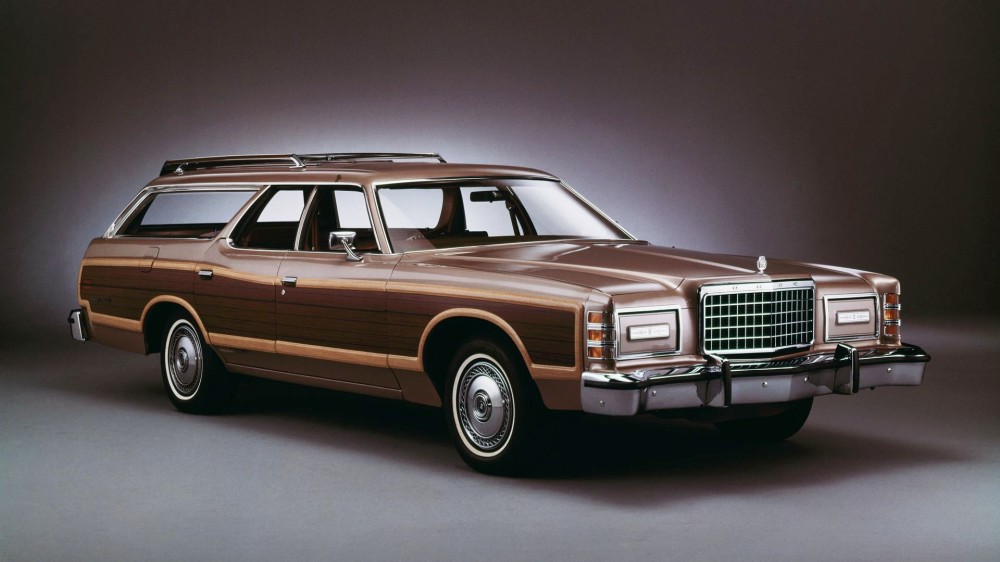
Automakers began offering wagons with simulated grain applied to the steel body. Printed vinyl could produce the warm, recognizable woodie look without requiring an owner to spend weekends inspecting varnish. Molded borders imitated wooden frames, completing the effect.
Nobody needed to believe the material was genuine. Its purpose was to borrow the associations attached to genuine wood: craftsmanship, prosperity, country houses and family trips involving enough luggage to require a small railway platform.
Names such as Ford Country Squire and Chevrolet Caprice Estate leaned enthusiastically into that image. Later, the Jeep Grand Wagoneer carried simulated woodgrain into the luxury-SUV era, where it looked simultaneously old-fashioned and strangely correct.
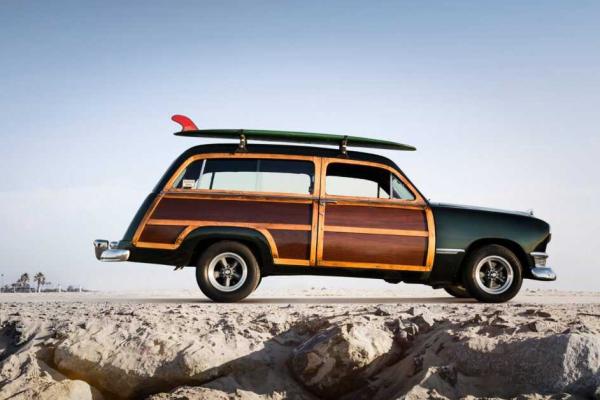
The styling also became part of American surf culture. Aging woodies offered enormous interiors capable of carrying friends, boards and equipment. Their association with the beach eventually became stronger than their original relationship with railway stations.
A vehicle built to collect passengers from trains had somehow turned into a rolling symbol of suburban childhood and California freedom.
Fake wood had problems of its own
Vinyl eliminated sanding and varnishing, but it did not make a car immortal.
Sunlight could bleach the printed grain. Edges could shrink, lift or collect dirt. Decorative framing and damaged vinyl could conceal corrosion, especially where water remained trapped against steel.
Anyone buying a woodgrain classic should inspect the panel edges, lower doors, tailgate and mounting points carefully. Replacing faded vinyl is possible, but accurately reproducing the original grain, color and trim can turn a cosmetic repair into a surprisingly specialized project.
By the 1980s and 1990s, woodgrain had begun losing its hold on family-car design. Minivans and SUVs were taking over the station wagon’s job, while cleaner body sides and increasingly aerodynamic shapes made large rectangles of printed timber look less fashionable.
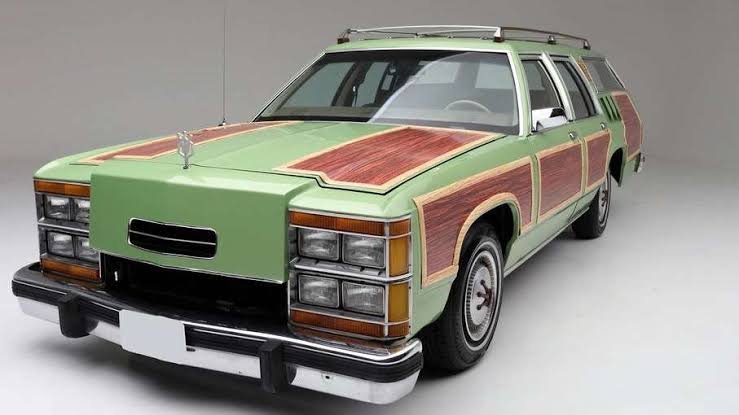
The material disappeared, but the joke endured. Fake-wood wagons are remembered as a gloriously artificial styling choice from an era that also embraced brown interiors, hidden headlights and enough chrome to trouble the suspension.
That memory leaves out the most interesting part. The vinyl was never a random decoration dreamed up during the 1970s.
It was the last inexpensive echo of cars once built by people who understood both coachwork and cabinetry.