Your Car Will Get Dirty Again Tomorrow, but Skipping the Winter Wash Can Cost You
by AutoExpert | 23 September, 2026
Washing a car in winter can feel wonderfully pointless.
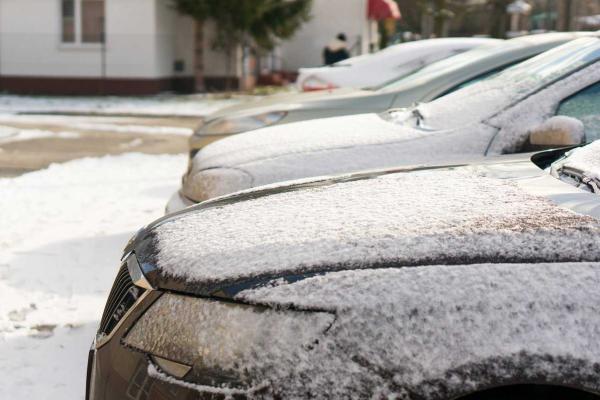
The bodywork is clean for perhaps half a journey. Then a truck passes in the opposite direction, the windshield receives a cold brown shower, and the doors are wearing the same salty mist that took half an hour to remove.
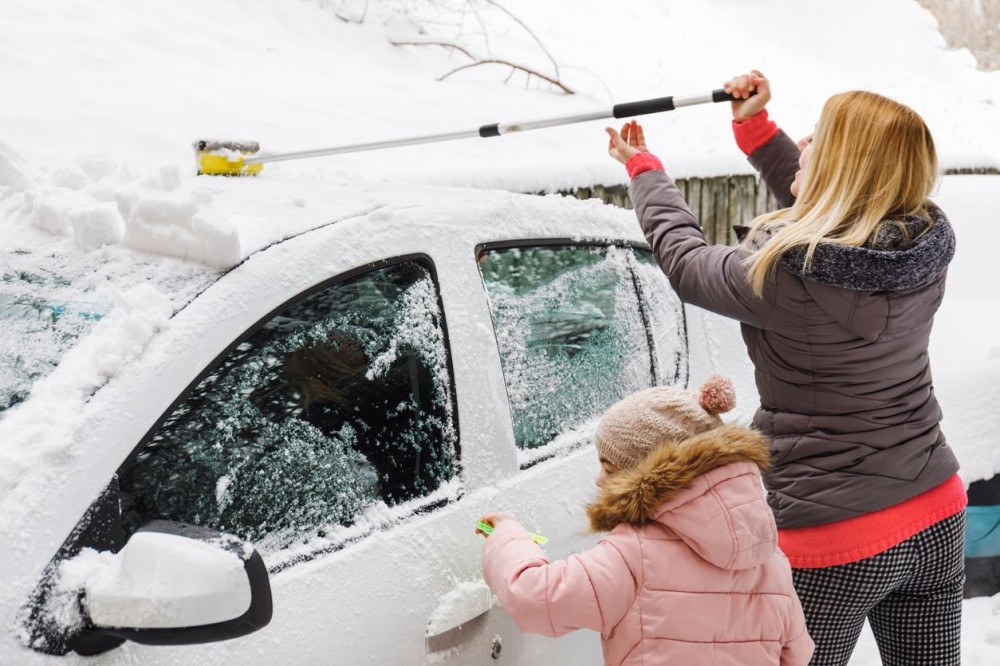
That does not make the wash a waste of time. Winter cleaning is less about displaying glossy paint in a supermarket car park and more about removing corrosive material from places nobody normally sees.
So, should you wash your car in winter? If it is being driven on salted roads, the answer is generally yes. The useful wash, however, is the one that reaches beneath the car and does not leave the doors frozen shut afterward.
Salt causes its worst trouble out of sight
Road salt lowers the freezing point of water, helping prevent snow and ice from bonding to the pavement. Unfortunately, the same salty moisture can accelerate corrosion when it reaches exposed metal.
Modern cars receive extensive corrosion protection at the factory. Many use galvanized steel, sealants, coatings and plastic underbody panels. These measures slow the process, but they do not make a vehicle immune.
Stone chips expose small areas of metal. Moisture collects around seams, fasteners, suspension components and damaged coatings. Salt can lodge behind wheel-arch liners or remain on parts of the underbody long after the visible snow has gone.
The result may begin as a patch of surface discoloration. Given enough time, corrosion can attack exhaust components, suspension mountings, brake lines and structural areas. AAA warns that this damage is easily missed because much of it develops underneath the vehicle.
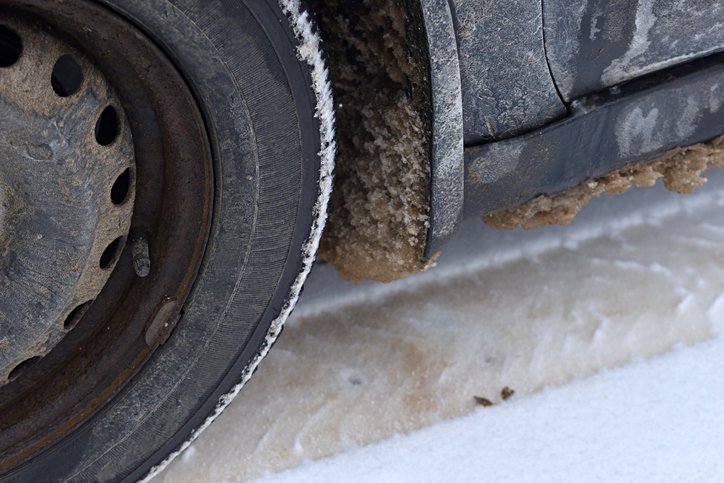
A clean roof is pleasant. Clean wheel arches and a rinsed underbody are usually more valuable.
Waiting for spring gives salt months to remain in place
Some drivers give up washing during winter and plan one heroic cleaning when the weather improves. By then, the salt may have spent several months moving through cycles of wetting, drying and reactivation.
Dry salt sitting on a dry surface is less aggressive than salty water. Winter conditions rarely keep it dry for long. Snow melts in a warm garage, temperatures rise during the day, and wet roads repeatedly soak the underside of the vehicle.
A rigid washing schedule cannot account for local weather. A car driven daily on heavily treated roads needs attention sooner than one that spends winter in a garage and only ventures out after the pavement has dried.
AAA recommends washing at least every two weeks during salty conditions, with more frequent cleaning after heavy exposure. Another sensible rule is to wash after a major storm once the roads have improved and temperatures rise enough to make cleaning practical.
The car may be dirty again within a day. The previous accumulation has still been removed, which is the part that matters.
The underbody rinse earns its money
A quick spray over the paint can leave the most vulnerable areas untouched. Choose a car-wash program that includes an undercarriage rinse, especially after driving through road brine or salted slush.
Pay attention to the lower doors, rocker panels, wheel wells and the areas behind the wheels. These surfaces receive a constant stream of grit and contaminated water. Salt also gathers around the tailgate and trunk opening, where dirty water is drawn into seams.
If washing by hand, rinse loose dirt away before touching the paint. Scrubbing a salt-coated panel immediately can drag grit across the clear coat. Use automotive shampoo rather than household detergent, which can strip protective wax.
A pressure washer is useful, but enthusiasm needs limits. Keep the nozzle at a sensible distance and avoid forcing high-pressure water into electrical connectors, cameras, damaged seals, exposed charging equipment or chipped paint. The owner’s manual may contain model-specific washing restrictions.
Automatic washes are a reasonable option when outside temperatures and frozen hoses make hand washing unrealistic. A touchless wash with an underbody spray may not produce concours-level paintwork, but winter maintenance does not require a white glove and a panel of judges.
A bitterly cold day is the wrong day to improvise
Removing salt is helpful. Coating the car in water at a deeply subzero temperature can create a new collection of problems.
If possible, wait for a milder part of the day when the temperature is near or above freezing. A heated indoor wash is useful, provided the vehicle can be dried before returning to severe cold.
Use lukewarm water rather than pouring hot water over frozen glass. A sudden temperature change can stress an already chipped or damaged windshield. Hot water also cools quickly and may refreeze around seals, handles and locks.
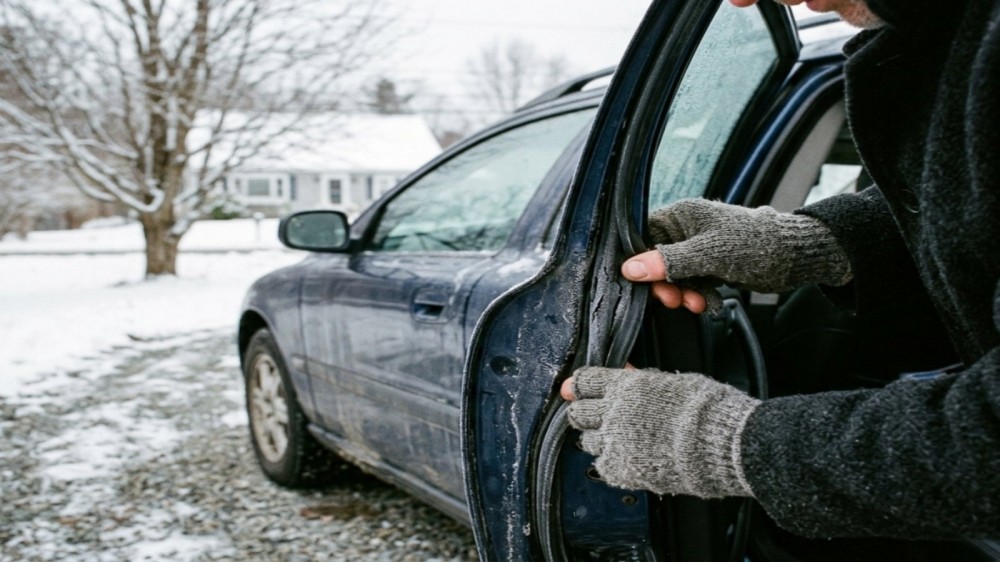
After washing, dry the door openings and rubber seals. Wipe around the trunk or tailgate, fuel door and exterior handles. Cars with frameless windows deserve particular attention because the glass may need to move slightly when the door opens.
If the car has a charging port, make sure the port and connector area remain clean and dry. Avoid aiming pressurized water directly into the opening. Electric cars still need winter washing, particularly because their battery housings, cooling lines and electrical equipment occupy much of the lower structure.
A silicone-based product intended for automotive rubber can help stop door seals from sticking, but it should be applied according to its instructions and kept away from glass or surfaces where slipperiness would be unwelcome.
Do not confuse temporary moisture with damage
The brakes may sound slightly rough after a wash, particularly if the car is parked while the discs are wet. Bare cast-iron braking surfaces can develop a thin film of orange rust surprisingly quickly.
A few normal brake applications during a careful drive will usually remove light surface rust. Persistent grinding, strong pulling, severe vibration or deeply corroded components deserve an inspection rather than an aggressive attempt to “clean” them through hard braking.
Driving briefly after the wash also helps move water away from some exposed areas. Use the brakes normally and leave enough distance, since braking performance can feel different while components are wet.
Before parking, check that the doors, fuel flap and charging door open normally. Discovering a frozen flap at a fuel station the next morning adds an unnecessary little crisis to the commute.
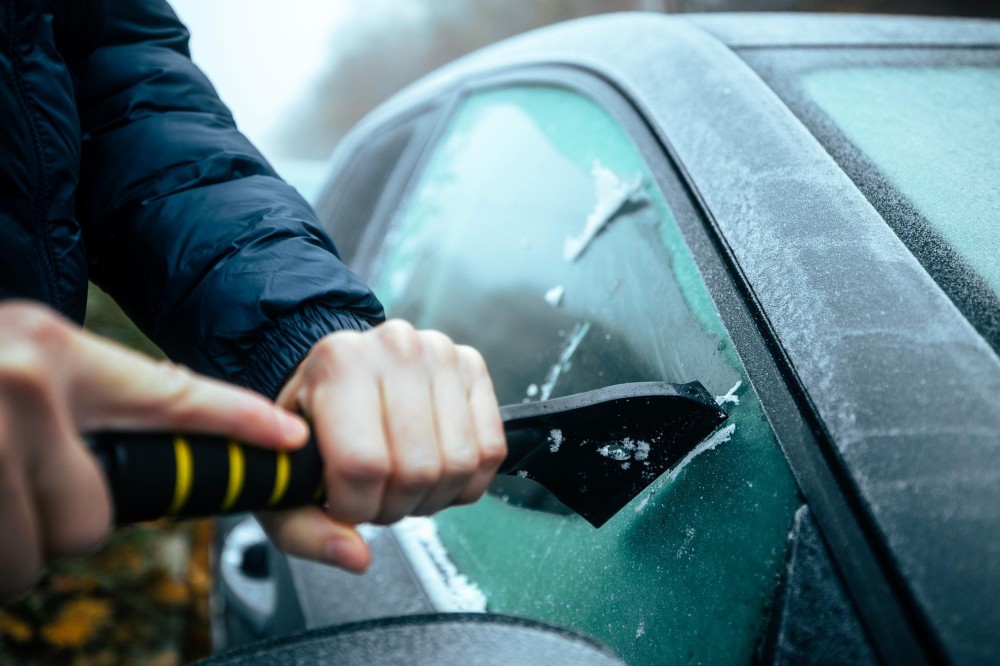
Winter washing is preventative maintenance
There is no prize for owning the cleanest car during a snowstorm. Obsessively polishing the body every few days will mostly build character and a collection of damp gloves.
The worthwhile routine is simpler. Remove heavy salt before it becomes a permanent passenger. Include the underbody, choose a relatively mild day and dry the places that can freeze.
A winter car wash cannot reverse existing corrosion, repair damaged protective coatings or make an older car rustproof. It can reduce the amount of corrosive material left sitting against vulnerable parts.
The paint may be brown again tomorrow. Underneath, the wash can still have done exactly what it was supposed to do.