
Those Giant 1970s Bumpers Were Built for Parking-Lot Crashes, Not High-Speed Safety
by AutoExpert | 17 September, 2026
Look at an American car from 1971, then find the same model from 1974.
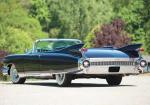
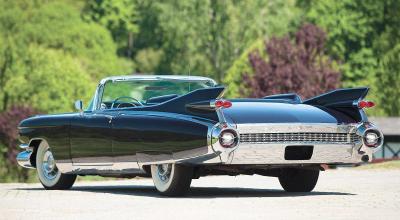
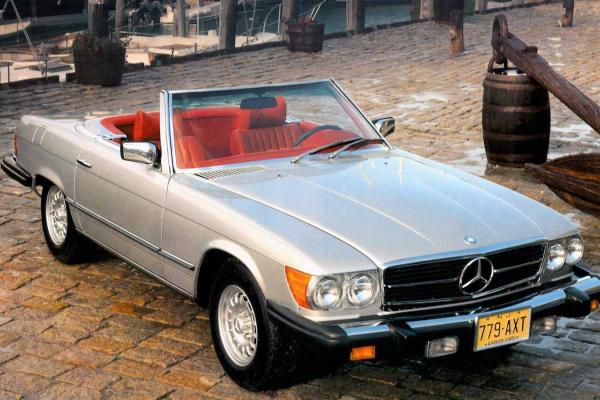
The earlier car may have a slim chrome blade tucked neatly against its body. Three years later, the bumper appears to have left the car, reconsidered its position and returned wearing rubber blocks and several inches of additional metal.

On some models, the result looked acceptably muscular. On others, it resembled a park bench attached during an emergency repair.
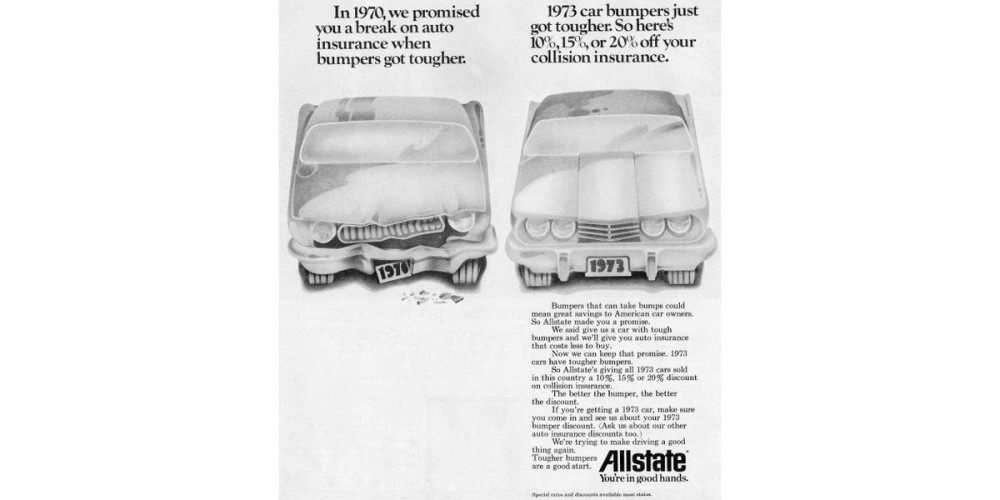
The change was too sudden and too widespread to be a coincidence. Automakers were responding to new American bumper requirements intended to reduce the damage caused by relatively minor collisions.
These bumpers were designed for the sort of impact that happens in a parking lot or slow-moving traffic. Their size did not mean the occupants could drive into a wall at highway speed and walk away feeling vindicated.
A five-mph collision is more expensive than it sounds
Before the 1970s, the federal government placed no performance requirements on passenger-car bumpers. Manufacturers could make them substantial, decorative or almost entirely optimistic.
That began changing when the National Highway Traffic Safety Administration introduced Federal Motor Vehicle Safety Standard No. 215. The initial version took effect on September 1, 1972, covering cars produced for the 1973 model year.
Those vehicles had to survive a 5-mph frontal barrier impact and a 2.5-mph rear impact without damage to certain safety-related components. Lighting, fuel, exhaust and cooling systems were among the items that had to remain protected. Doors, hoods and trunk lids also had to continue working properly.
The standard became tougher for the 1974 model year. Rear-impact performance increased, corner protection improved and bumper heights became more consistent so that two cars were less likely to slide over or under each other.
Five miles per hour sounds comically slow until a two-ton car reaches the end of that short journey. The energy must go somewhere, and a thin strip of chrome offers very few useful places to send it.
Automakers responded with larger beams mounted farther from the body. Some used hydraulic or gas-filled absorbers that allowed the bumper to move inward and recover. Others relied on deformable brackets, thick rubber guards and increasingly elaborate mounting structures.
The bumper no longer completed the shape of the car. On many models, it became a separate piece of machinery.
Imported cars suffered some of the strangest transformations
American manufacturers had the scale and time to design new cars around the regulations. Foreign brands often had to modify vehicles conceived for markets with different rules.
The results could be conspicuous.
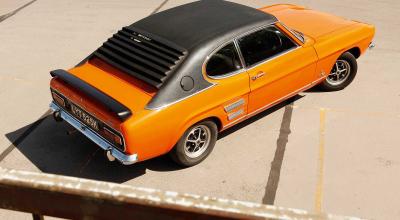
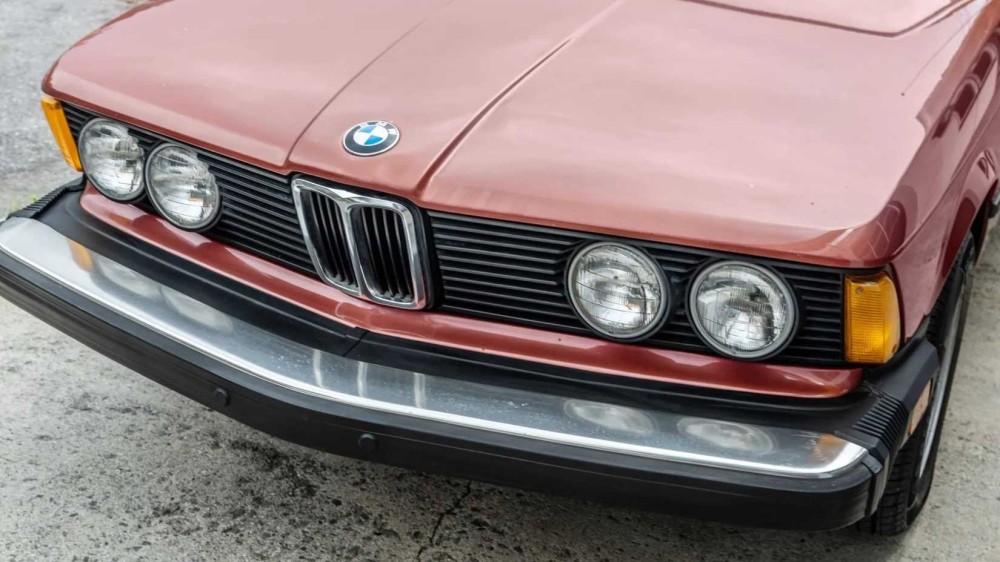
European sports cars known for delicate chrome bumpers arrived in the United States with heavy rubber structures or extensions added to meet federal requirements. Cars originally designed with tight, elegant proportions suddenly appeared to be holding their bumpers at arm’s length.
Changes in bumper-height requirements also caused some manufacturers to raise a car’s suspension or alter its front-end structure. That could affect more than appearance. Raising a small sports car changed its stance and sometimes its handling, all to place the bumper within the required zone.
Today, an American-market version of a 1970s European car can often be identified from across a parking lot without seeing its steering wheel or license plate. The bumpers give it away.
The rule was about low-speed damage
The popular “5-mph bumper” description created a durable misunderstanding. These regulations did not promise that the bumper would protect passengers in a serious 5-mph crash, much less a high-speed one.
The standards focused on preventing minor impacts from disabling important vehicle systems and, later, reducing unnecessary repair costs. A driver should not lose the headlights, spill fuel or become unable to open a door because of a gentle parking collision.
Occupant protection in more severe crashes was addressed through other requirements involving the body structure, restraints, steering column and interior. A large bumper could help manage some impact energy, but its imposing appearance was not a substitute for a crashworthy passenger compartment.
The rules also did not guarantee that every part of the car would remain cosmetically perfect. Depending on the version of the standard and the model year, the priority was protecting specified components rather than preserving every inch of paint and chrome.
That distinction mattered because the heavy systems brought their own compromises. They added weight, increased manufacturing costs and could make cars longer without adding any usable cabin space. Designers became skilled at disguising them, but few would have chosen such prominent structures without regulatory pressure.
Why the park benches eventually disappeared
In 1982, the federal government reduced the low-speed bumper test requirement to 2.5 mph. The change allowed manufacturers to develop lighter and less visually intrusive systems.
At the same time, automotive styling was becoming cleaner and more aerodynamic. Separate chrome bars gave way to painted plastic covers integrated into the front and rear bodywork. Beneath those covers, modern cars still use bumper beams, energy-absorbing foam and crushable mounting structures. The protective hardware did not vanish. It simply became much better at hiding.
Modern bumpers also illustrate why appearance can be misleading. A small parking impact may leave the painted cover looking merely scuffed while damaging brackets, sensors, wiring or reinforcement underneath. Radar units and parking sensors can make a gentle bump surprisingly expensive, even though the car lacks the magnificent chrome architecture of 1974.
The giant bumpers of the 1970s were neither pointless decoration nor primitive crash cages. They were highly visible answers to a very specific regulatory question: how could a car endure a slow collision without losing essential equipment or generating an avoidable repair bill?
Detroit answered with steel, rubber and very little concern for subtlety.