
Hood Ornaments Started With a Job. Then Cars Turned Them Into Jewelry
by AutoExpert | 22 September, 2026
Long before carmakers filled dashboards with screens, an important piece of engine information was displayed outside the windshield.
Early automobiles often carried their radiator filler caps at the front of the vehicle, fully exposed and directly visible from the driver’s seat. Some caps eventually supported temperature gauges that warned when the cooling system was becoming dangerously hot.
That useful position also happened to be a perfect little stage.
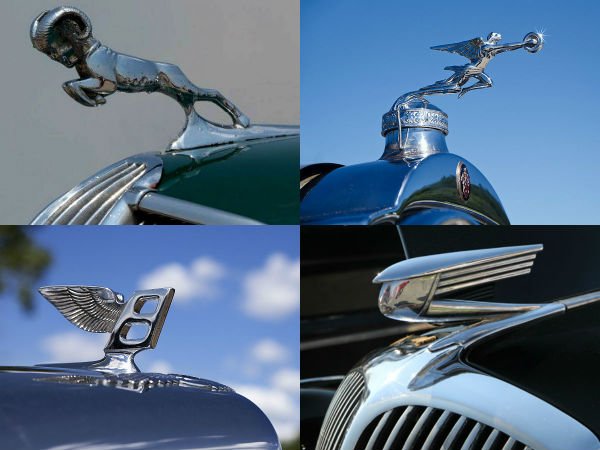
Owners began decorating radiator caps with animals, mythical figures, wings, family crests and almost anything else that looked impressive above a long hood. Manufacturers soon understood the branding potential. The functional cap gradually became a mascot, then a sculpture and finally one of the most recognizable status symbols in automotive design.
The radiator cap was already in the perfect position
Cooling systems on early cars required considerably more attention than their modern equivalents. The radiator cap stood prominently at the front, where it could be removed when water needed to be added.
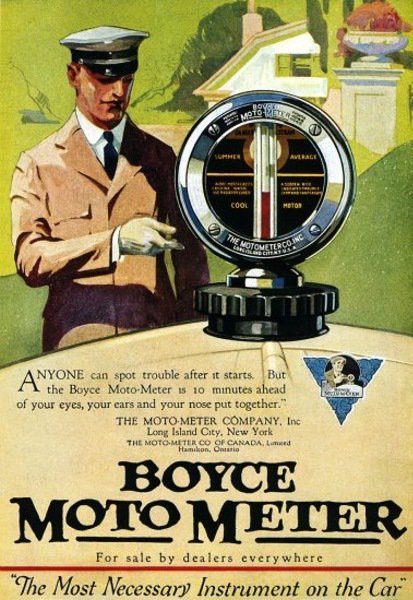
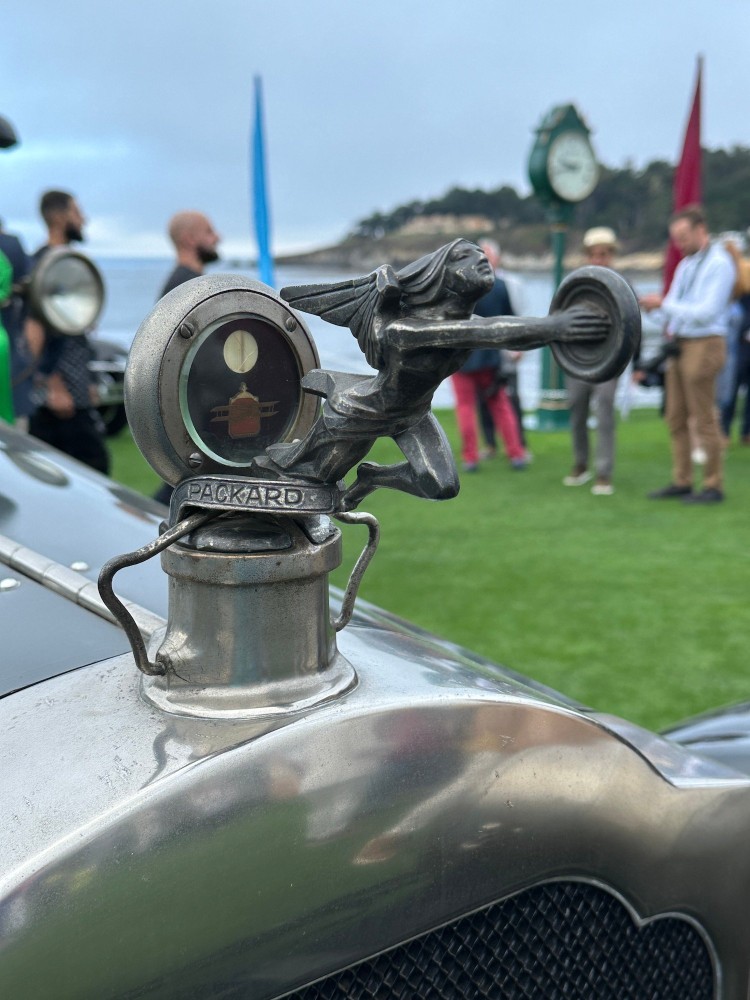
The Boyce MotoMeter turned that location into an early instrument panel. Patented during the 1910s, it combined the radiator cap with a thermometer that drivers could read from behind the steering wheel. A sudden rise in temperature warned of trouble before steam began pouring from the radiator.
Examples preserved by The Henry Ford show how substantial these devices could be. They were pieces of mechanical equipment, but their polished cases and prominent position invited decoration.
Manufacturers added wings, badges and sculpted forms around the gauge. Owners who wanted something more personal could purchase aftermarket mascots. The result was an extraordinary period when the nose of a car might carry a leaping animal, Greek goddess, miniature airplane or translucent glass figure.
The Revs Institute’s collection of automotive mascots traces these ornaments to the exposed radiator caps found at the dawn of motoring. They offered a way to distinguish one vehicle from another at a time when many early cars shared similarly upright proportions.
Some mascots identified the manufacturer. Others said more about the owner.
A greyhound suggested speed. An eagle conveyed strength. A winged woman could represent motion, freedom or the owner’s ability to spend extravagantly on a decorative object placed where stones, weather and careless pedestrians could reach it.
French glassmaker René Lalique elevated the idea into genuine decorative art. His glass mascots included dragonflies, horses, birds and human figures. Some could be illuminated from below, glowing above the radiator as the car travelled at night. They remain highly collectible, and surviving originals can be far more valuable than many complete cars from the same period.
The most famous ornaments became brand identities
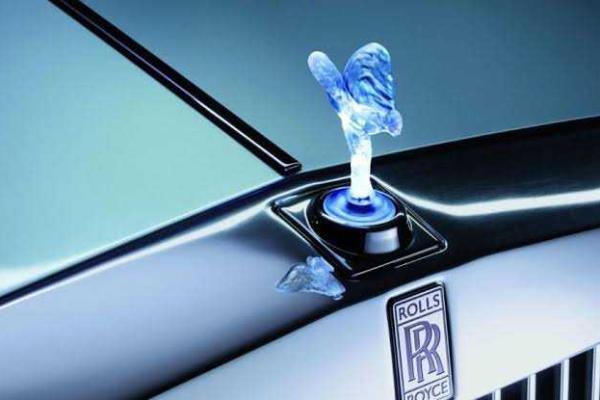
The Rolls-Royce Spirit of Ecstasy began with a private commission rather than a corporate branding exercise.
Publisher and motoring enthusiast John Walter Edward Douglas-Scott-Montagu asked sculptor Charles Robinson Sykes to create a personal mascot for his Rolls-Royce. The resulting figure, known as The Whisper, is widely associated with Eleanor Thornton, Montagu’s secretary and companion.
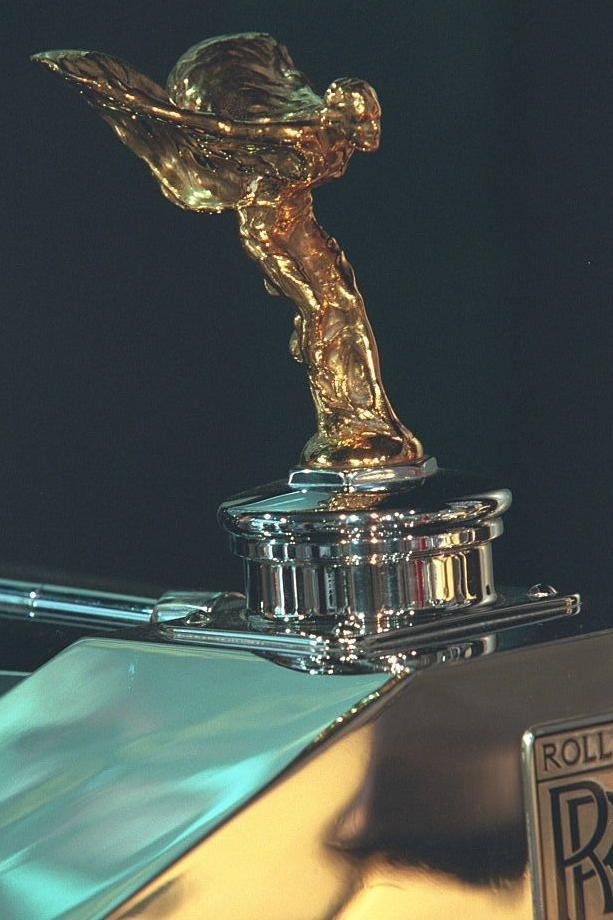
Sykes later developed the official Rolls-Royce mascot, registered in 1911 as the Spirit of Ecstasy. The small figure leaning forward with fabric flowing behind her captured grace and movement without looking like an ordinary corporate badge.
Rolls-Royce initially had little enthusiasm for the unofficial mascots owners were fitting to its cars. Creating an approved figure gave the company control over what appeared above its radiators. More than a century later, the Spirit of Ecstasy remains inseparable from the brand.
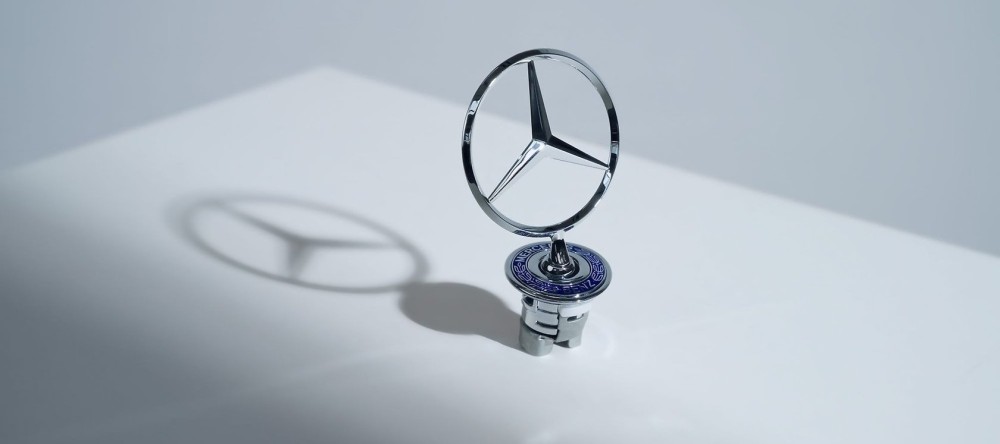
Mercedes followed a different path. Daimler-Motoren-Gesellschaft applied to protect the three-pointed star as a trademark in 1909. According to Mercedes-Benz’s official history, the star began appearing as an emblem on Mercedes radiators from 1910. After the merger with Benz, it was combined with the laurel wreath that helped create the familiar Mercedes-Benz identity.
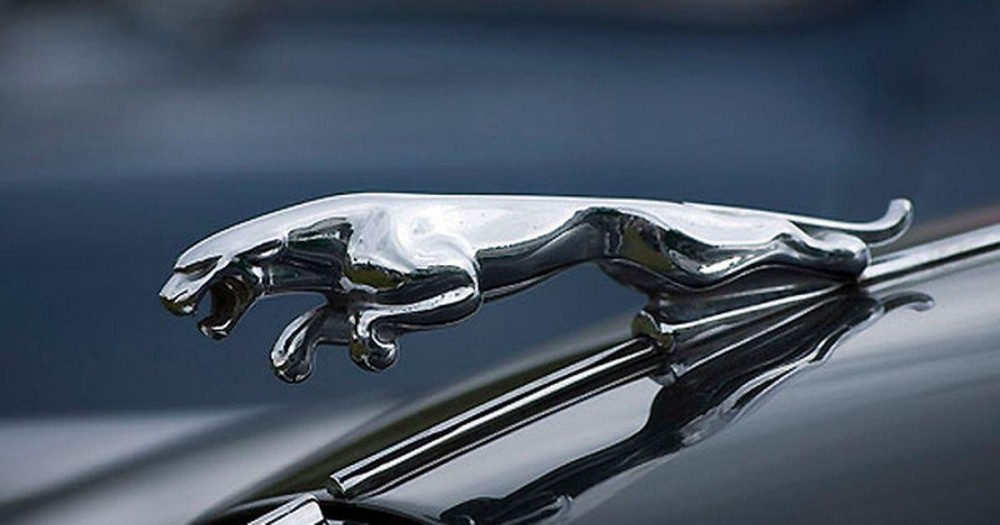
Other manufacturers produced equally memorable figures. Packard used variations of a bird often called a pelican or cormorant. Pontiac displayed stylized Native American imagery. Jaguar adopted its leaping cat. Cadillac, Buick, Oldsmobile, Lincoln and numerous forgotten marques all experimented with forms that communicated speed, luxury or mechanical confidence.
The ornament also helped the driver judge the car’s position on the road. From behind a long hood, a central mascot provided a convenient reference point. It was never a precision alignment tool, but many drivers became accustomed to seeing it at the end of the bonnet.
The useful part disappeared beneath the hood
As automotive design advanced, the exposed radiator cap became unnecessary.
Cooling-system information moved to a gauge on the dashboard. Radiators were enclosed behind bodywork and decorative grilles. Opening the hood became the normal way to reach the filler cap, removing the original platform that had supported the MotoMeter and its ornamental companions.
The mascot survived because it had acquired a new purpose. Even when it no longer sealed the radiator or displayed temperature, it gave a car identity.
During the 1930s and 1940s, hood ornaments became particularly dramatic. Streamlining influenced their shapes, producing figures that appeared to fly forward even while the car was parked. Chrome birds stretched their wings along the hood. Human figures leaned into an imaginary wind. Jet-age cars later received ornaments shaped like rockets, aircraft and abstract streaks of speed.
An exhibition at The Frick Pittsburgh described their development as a movement from practical radiator hardware to pure decoration. At their best, hood ornaments were small pieces of industrial sculpture, created to make a mass-produced machine feel individual.
They also presented several problems.
A rigid metal figure standing above the hood could injure a pedestrian during a collision. It could snag clothing, bend during a minor impact or break when someone leaned against the car. Safety rules governing external projections encouraged manufacturers to use flexible mounts, spring-loaded bases or flatter badges.
Theft became another persistent issue. Hood ornaments were easy to recognize, easy to reach and, unfortunately, easy to collect without permission. Mercedes stars and Jaguar leapers became popular targets. Owners sometimes returned to parked cars to find a small hole where the most recognizable part of the vehicle had been.
Aerodynamics and styling moved against them too. Lower hood lines and smoother front ends left little room for an upright figure. A flat emblem could provide the same branding without disturbing airflow or pedestrian-friendly surfaces.
Rolls-Royce taught its ornament how to disappear
Luxury manufacturers developed clever ways to preserve the tradition.
Rolls-Royce mounted the Spirit of Ecstasy on a spring-loaded mechanism, allowing the figure to move when struck. Modern versions go further by retracting into the body. The mascot can disappear when the car is locked, and the mechanism can pull it down when it encounters resistance.
The system protects pedestrians, discourages theft and creates a small piece of theatre every time the ornament rises from the grille. Rolls-Royce describes the figure as a continuous presence since 1911, although its size, posture, materials and mounting mechanism have evolved.
Mercedes-Benz has retained upright stars on selected sedans in some markets, while sportier models generally wear a large flat star integrated into the grille. The two treatments communicate different personalities even when attached to cars from the same company.
Most other brands have allowed their ornaments to disappear. Jaguar phased out the leaper from the hoods of its production cars, although the animal remains central to its historical identity. American marques that once offered elaborate chrome mascots now rely on grille shapes, lighting signatures and oversized badges.
Originals have become valuable, and reproductions can be deceptive
The disappearance of hood ornaments has made surviving examples desirable collectibles.
A genuine mascot can carry casting marks, part numbers or manufacturer stamps that help establish its origin. Reproductions may look convincing in photographs but differ in weight, finish, mounting design or fine sculptural detail.
Anyone buying an ornament removed from a classic car should also confirm that it was obtained legally. The enormous number stolen over the decades created a secondary market with little documentation.
Condition is complicated. Chrome can pit, glass can chip and thin projecting elements can bend. Aggressive polishing may erase detail or damage an original finish. An apparently tired ornament with authentic ageing can be more historically valuable than a shiny reproduction.
When the ornament remains attached to a car, its mounting deserves attention. A loose mascot can damage the hood, while an incorrect rigid replacement may remove the flexibility built into the original safety design.
Hood ornaments lasted because they occupied an unusual place between machinery and personality. The first examples used a practical piece of cooling-system hardware. Later designs told buyers whether a car was elegant, fast, powerful, or expensive before they read the name on the grille.
Modern vehicles have found countless new ways to announce their identity, from animated lighting to illuminated badges. Few have matched the charm of placing a tiny sculpture at the end of the hood and letting it lead the way.