You Replaced the Wipers, but the Same Smear Came Back. Here’s What to Check
by AutoExpert | 16 October, 2026
New windshield wipers can still smear if there is residue on the glass, the blades are the wrong fit or the rubber is not sitting against the windshield properly. Cleaning the glass and checking the installation are the best places to start.
The first rainy drive after fitting new wipers ought to be satisfying. Especially if you spent the previous few weeks peering through streaks and promising yourself you would replace them.
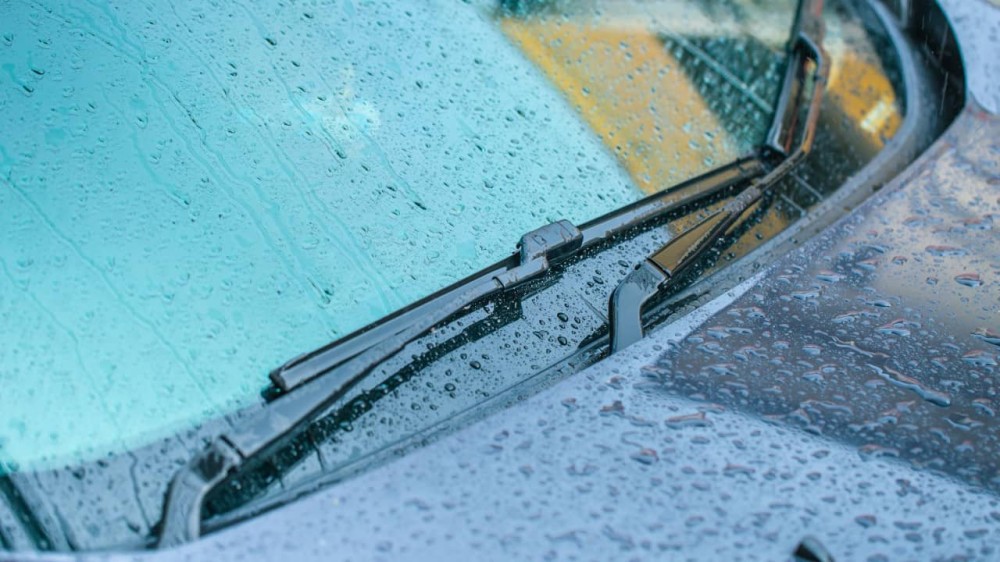
Instead, the new pair sweeps past and leaves a cloudy film right in your line of sight. You reach for the washers. Another sweep, then another. Somehow, visibility gets worse.
It is tempting to put the old blades back on out of spite.
Often, though, the glass needs attention before the blades do. A windshield gets washed every time the car does, but that does not mean everything stuck to it comes off. Insect remains, resin and other deposits can survive an ordinary wash. Fresh rubber then travels over the same dirty surface, spreading residue across the view.
Give the windshield a thorough clean with a suitable automotive glass cleaner, paying attention to the area the blades sweep. Follow the blade manufacturer’s instructions for cleaning the rubber as well. Bosch recommends cleaning both, a small job easily overlooked in the hurry to fit the replacements.
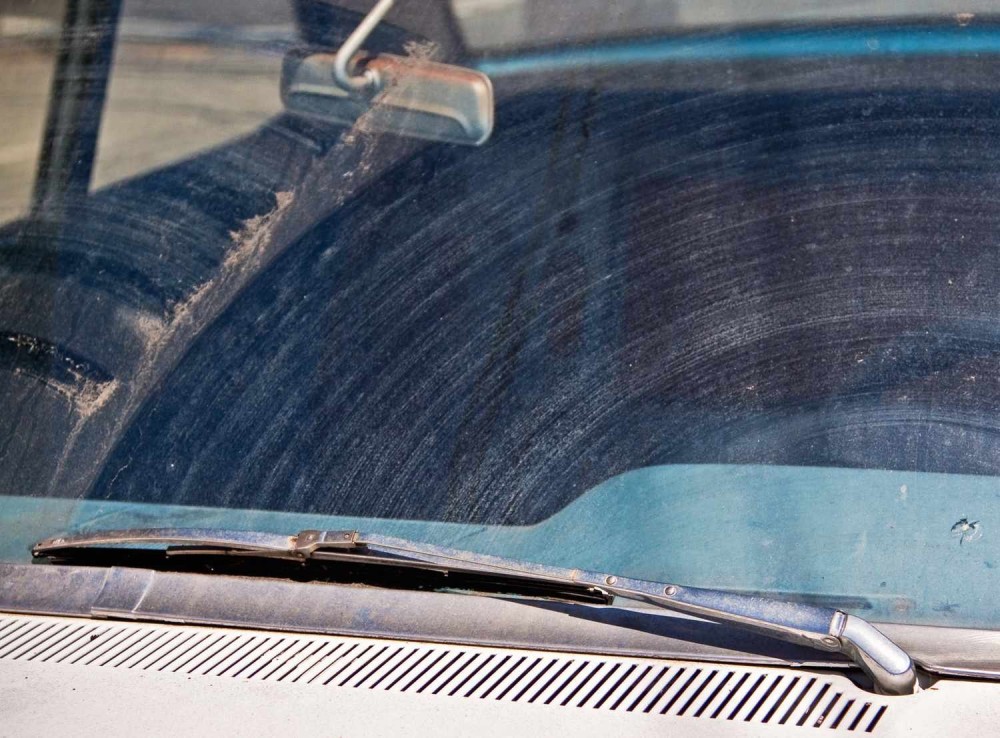
Try them again with the glass wet. If the haze has gone, there was nothing wrong with your purchase.
If it has not, check the box or receipt for the exact part number. Wiper fittings can be fiddly, particularly when the package contains several adapters and a set of tiny diagrams. Make sure the blades are specified for the car and attached correctly. Being able to clip one onto the arm does not settle both questions.
Think back, too, to when the trouble started. Was the windshield replaced recently? Did the wiping become poor straight afterwards, prompting you to buy new blades?
Tell the workshop that sequence. Bosch specifically calls for checking contact pressure and contact angle when wiping problems follow a glass replacement. Buying another set may achieve very little if the rubber is not meeting the windshield as it should.
A description of the smear helps. A patch that never clears is different from a film spread across the whole screen. Mention juddering or uneven movement, too, rather than leaving the technician to guess what “they don’t wipe properly” means.
Resist bending the arms yourself. It is easy to make an adjustment without knowing whether it was needed, or how far to go. Problems with the arms or mechanism deserve a proper check.
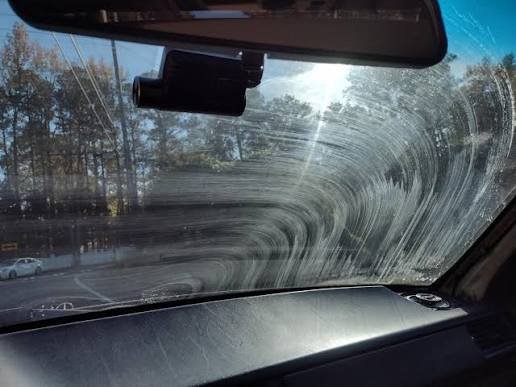
Before spending any more money, have a look at the washers. Check that the fluid is suitable, mixed as directed and actually reaching the windshield. It is an unglamorous thing to investigate after buying good blades, but poor spray will not do them any favours.
You may still have a faulty pair. Keep the receipt. Just rule out the glass, fitting and contact first, so you do not end up paying twice for the same disappointing view.
If that view becomes unsafe in rain, pull over somewhere safe. The diagnosis can wait.