
New York Auto Show 2026 Was a Wake-Up Call for Anyone Still Sleeping on EVs
by AutoExpert | 9 April, 2026
This year’s New York Auto Show did not feel like one of those sleepy events where automakers wheel out a few mildly updated SUVs and call it a day. It felt bigger than that. More confident. More like the industry has stopped hinting at what is coming and started putting it right in front of people.
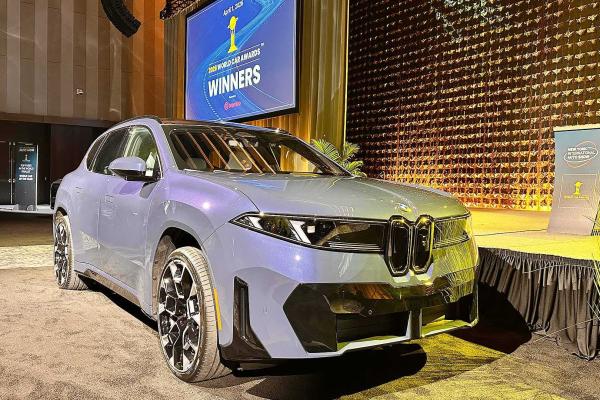
The BMW iX3 was one of the clearest examples. Winning both World Car of the Year and World Electric Vehicle of the Year is not the kind of thing that happens quietly. For BMW, it felt like a real statement. This is a company that has not exactly owned the EV conversation lately, and now suddenly it has a vehicle people cannot ignore.
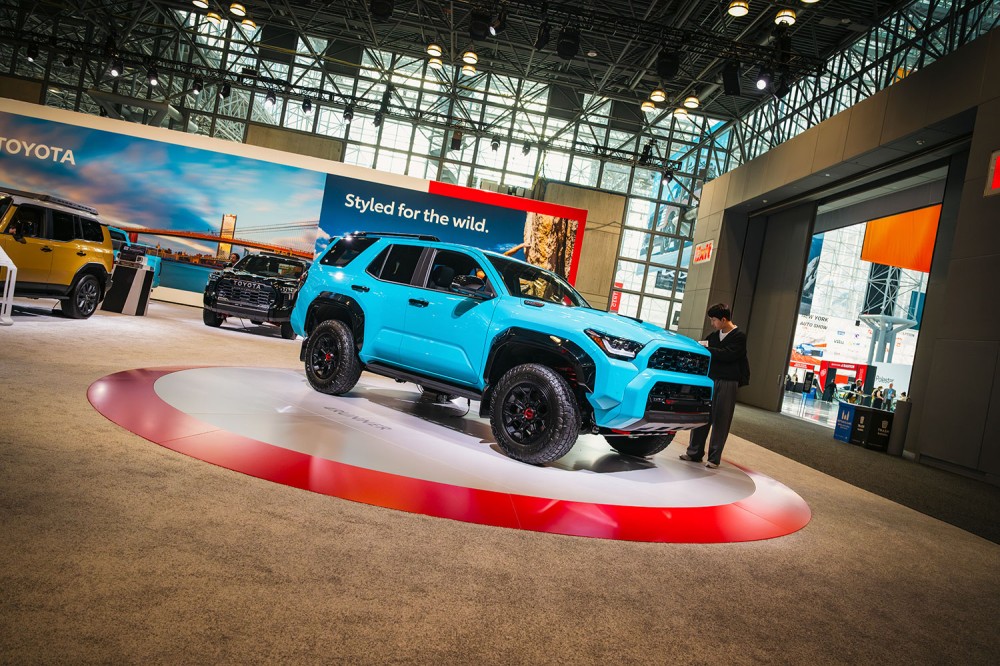
Toyota may have had the moment that made the most people stop and look twice. An all-electric Highlander is a pretty big deal. Not because Toyota has never built an EV, but because the Highlander is not some niche experiment or futuristic side project. It is a mainstream family SUV. The kind of vehicle people actually buy in huge numbers. So when that name goes electric, it feels like more than just a reveal. It feels like a signal.
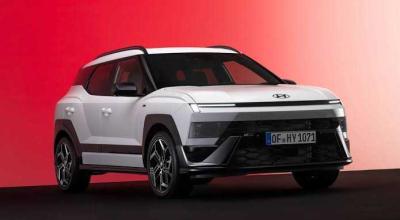
Hyundai also understood the assignment. The Boulder Concept had exactly the kind of energy auto shows need more of. Big stance, rugged shape, obvious off-road attitude. It looked like the sort of thing people would walk past three polished crossovers to go stare at. Whether it actually makes production is almost secondary. It made people pay attention, and that still matters.
Volkswagen played a slightly different game with the redesigned Atlas. Less shock factor, more quiet relevance. But honestly, that might matter more. Three-row SUVs are where a lot of real buyers live, and if VW has made the Atlas sharper, nicer, and more competitive, that is the kind of update that lands in actual driveways, not just headlines.
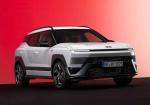
And then there is Kia, which just keeps showing up and making everyone else uncomfortable. The EV3 looks like another example of the brand doing what it has been doing unusually well lately: offering something electric, useful, attractive, and realistically attainable. That combination is getting harder to dismiss.
That was really the mood of the whole show. Not “someday.” Not “maybe.” More like, here it is, and it is coming faster than a lot of people thought.
For years, auto shows were full of electric promises. This one felt different. The cars on display felt a lot closer to real decisions buyers will actually be making soon. Which means the EV conversation has changed. It is no longer about whether this shift is happening. It is about how quickly the rest of the market can keep up.