Whitewall Tires Started as a Manufacturing Compromise. Then They Became a Status Symbol
by AutoExpert | 4 September, 2026
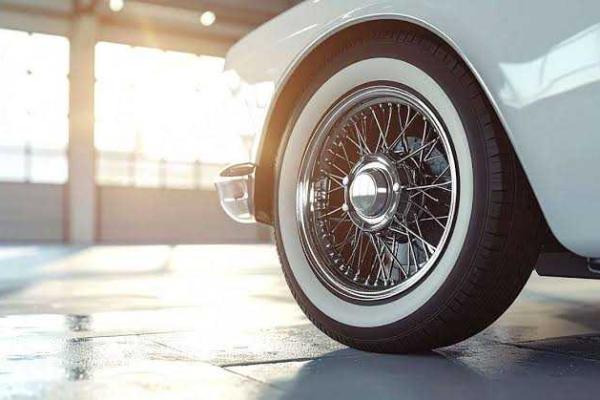
Whitewall tires have become visual shorthand for a particular kind of motoring glamour.
Put them on a long Cadillac with chrome bumpers, tailfins and enough hood to host a family picnic, and the picture feels complete. They belong to polished boulevards, roadside diners and an era when cleaning a tire with a small brush apparently counted as a reasonable weekend activity.
Their origin was far less glamorous.
Whitewalls were not dreamed up by a stylist looking for a way to make luxury cars appear more expensive. They emerged from the changing chemistry of tire manufacturing. The white section was, at first, simply the part manufacturers had not turned black.
Early tires were pale
Natural rubber does not begin life with the deep black color associated with modern tires. Latex collected from rubber trees is milky, and early tire compounds were generally white, cream or light gray.
Manufacturers added substances such as zinc oxide to strengthen the rubber. Zinc oxide was also white, so complete tires retained their pale appearance.
Those early tires looked wonderfully clean for approximately the length of time required to drive through one puddle. More importantly, their durability left plenty of room for improvement. Roads were rough, cars were becoming heavier and drivers wanted tires that survived longer than a particularly enthusiastic weekend.
Carbon black helped provide the answer.
Mixed into rubber, carbon black improves strength, resistance to wear and protection from heat, ultraviolet light and ozone. Modern tires use sophisticated recipes containing many materials, but carbon black remains one of the reasons most tires share the same familiar color.
According to the ANSI history of tire color, early manufacturers initially used carbon black mainly in the tread, where durability was needed most. The sidewalls retained their lighter rubber.
A two-tone tire appeared almost by accident.
The cheaper solution became the expensive option
Once fully black tires became practical, the manufacturing compromise should have disappeared. Instead, motorists decided the contrasting sidewall looked rather good.
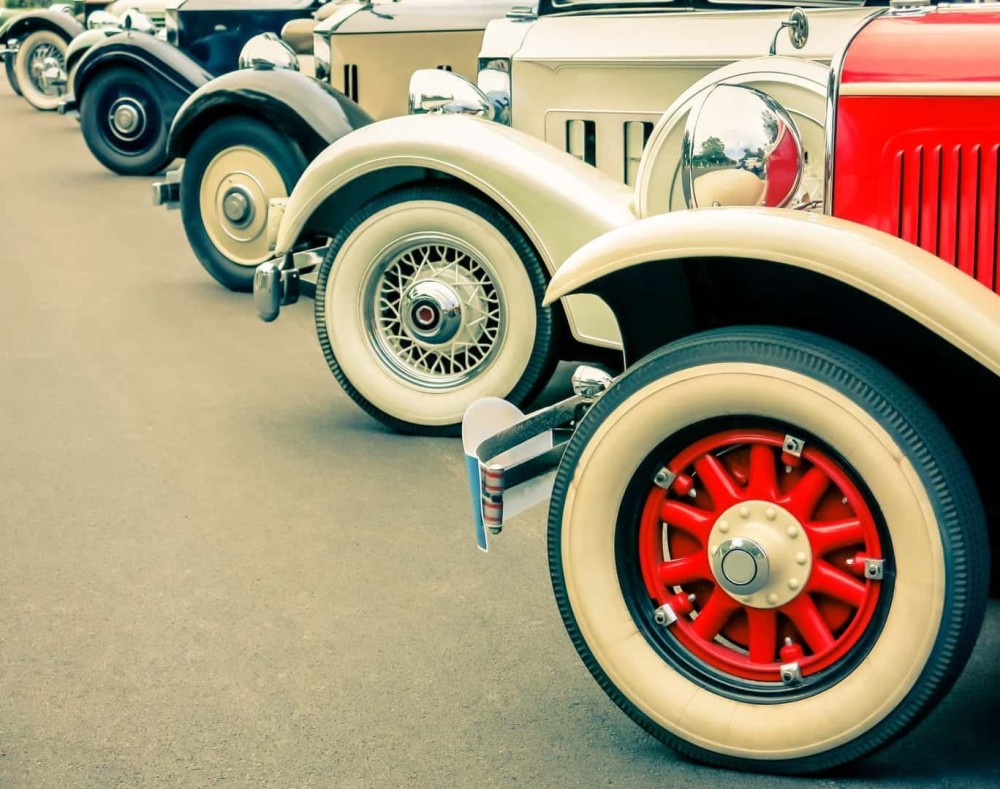
By the late 1920s and 1930s, a bright white circle around each wheel had become an intentional styling feature. Whitewalls made dark bodywork look richer and drew attention to ornate hubcaps, sweeping fenders and carefully polished chrome.
They also required work.
Road grime, brake dust and curb marks showed immediately. Keeping four wide whitewalls presentable demanded regular scrubbing, which quietly turned them into a status symbol. A spotless set suggested the owner had the time, money or staff needed to maintain them.
The original hierarchy had reversed. Fully black tires were once the more advanced product because they used more carbon black. Before long, buyers were paying extra to bring the white section back.
Ford offered whitewall tires across its range as an $11.25 option in 1934, according to the historical account cited by ANSI. That was a meaningful amount for a decorative upgrade during the 1930s.
Whitewalls had completed an impressive promotion from exposed material to paid luxury.
Postwar America made them enormous
The style reached its most extravagant form during the years after World War II.
American cars became longer, lower and more theatrical. Chrome spread across grilles, bumpers and window surrounds. Tailfins climbed upward. Against all of that polished metal and dark paint, wide whitewall tires offered another bright circle of decoration.
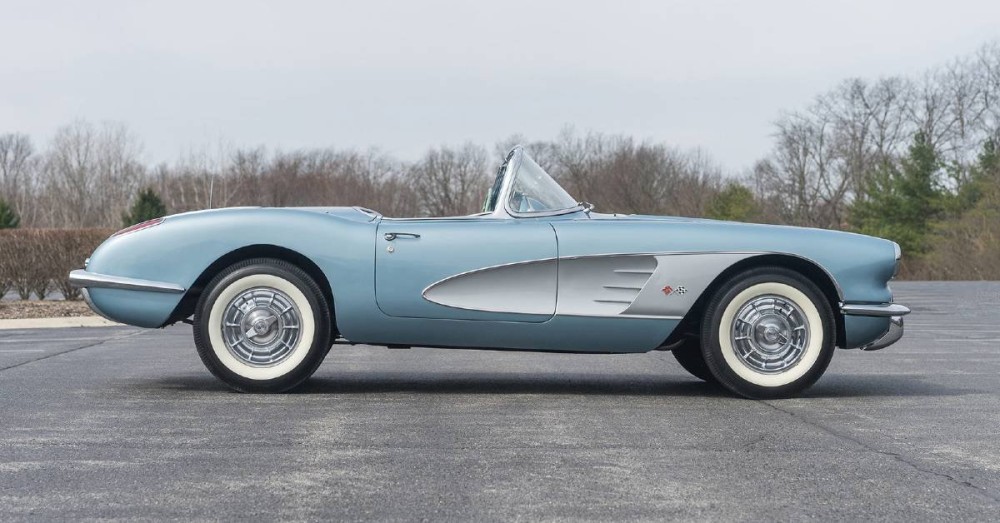
The proportions were especially flattering on cars with relatively small wheels surrounded by tall tire sidewalls. A broad white band made the wheel appear larger and gave heavy cars a more formal stance.
Cadillac, Lincoln, Buick, Chrysler and other premium brands embraced the look. Whitewalls also appeared on more affordable family cars because buyers wanted a little of the same showroom glamour.
The width of the white section became a fashion choice of its own. Early postwar examples could be extremely broad. By the late 1950s and early 1960s, the band began shrinking as automotive styling changed.
The tire was following the car.
Why whitewalls faded away
Cars entering the 1960s wore cleaner body shapes, lower profiles and less visually heavy ornamentation. Wide whitewalls began to look associated with the previous decade.
Narrow stripes replaced the broad bands. Some performance cars experimented with redlines, gold accents or raised white lettering. Radial tires gained popularity, wheel designs became more prominent and black sidewalls suited the increasingly modern appearance of new cars.
Maintenance probably helped hurry the change along. A black tire can endure weeks of road grime without looking neglected. A whitewall records every encounter with a curb.
By the 1970s, broad whitewalls had largely retreated to traditional luxury cars, limousines and vehicles whose buyers actively preferred an old-fashioned look. Thin white stripes survived longer, but even those gradually disappeared from most factory option lists.
They never vanished completely.
Classic-car restorers still care deeply about correct whitewall width because the wrong tire can change the appearance of an entire vehicle. A 1950s Cadillac on modern blackwalls may look strangely unfinished. Put an enormous white band on a car originally fitted with a narrow stripe, and it can resemble a costume.
Specialist manufacturers such as Coker Tire continue producing period-style tires for collectors, hot rods and restored cars. Modern interpretations also appear occasionally on custom vehicles, where the old contrast still has enough personality to attract attention.
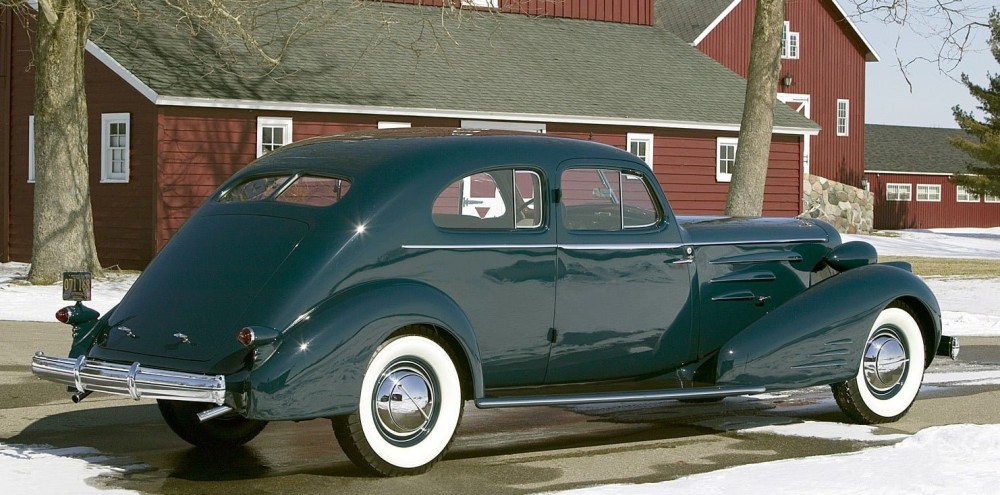
Whitewall tires remain beautiful because they carry all the extravagance later generations attached to them. Their creation, however, began with chemistry rather than fashion.
Manufacturers strengthened the part of the tire touching the road and left the rest pale. Drivers saw the result, decided it looked expensive and eventually paid extra for it.
Few manufacturing compromises have ever enjoyed a better second career.