
The Ford Deuce Coupe Gave Rock Music One of Its Most Famous Misheard Lyrics
by AutoExpert | 25 June, 2026
Some misheard lyrics just become part of civilization.
Nobody even argues about them anymore. They just live there forever, lodged in pop culture, passed from one generation to the next like a shared joke nobody fully retires. And near the top of that list is the line from “Blinded by the Light” that millions of people have been hearing wrong for decades.
You know the one. The funny part is that the real lyric is actually much more interesting than the fake one, especially if you care about cars.
Because the song is not referencing anything remotely scandalous. It is talking about a Ford Deuce Coupe, which is a very different kind of cultural icon.
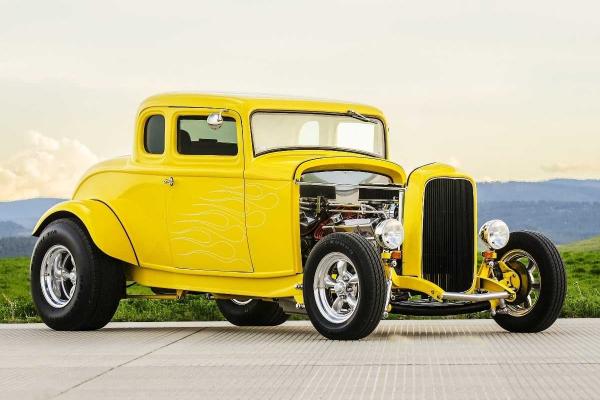
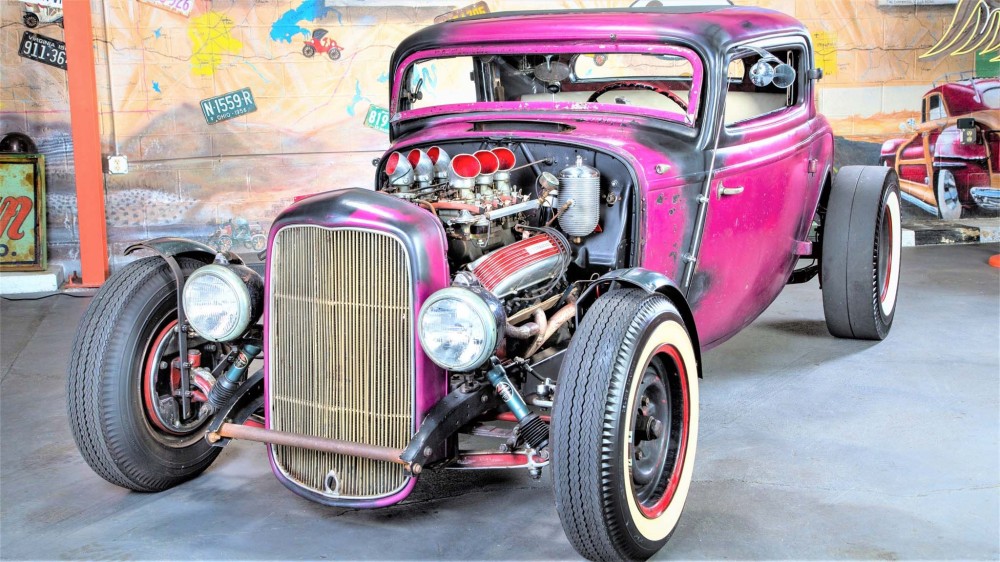
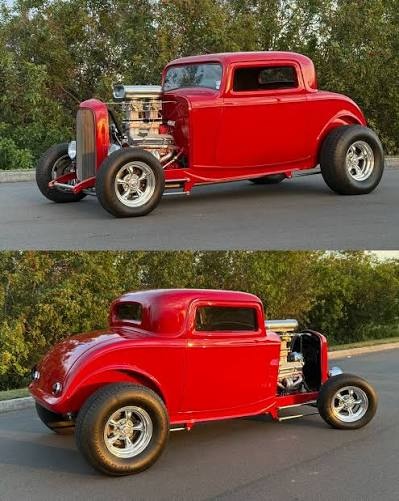
The Deuce Coupe is one of those cars that means more than the car itself. In the strictest sense, the term usually points to a 1932 Ford coupe, one of the earliest Fords to get the flathead V8 and one of the most important raw ingredients in early American hot-rodding. But nobody talks about a Deuce like they are just discussing an old Ford. A Deuce is bigger than that. It is a symbol. It is the kind of car that helped create an entire language around speed, customization, and postwar American car culture.
That is why it keeps showing up in songs, movies, posters, garages, and the brains of people who have never even driven one.
The appeal was pretty simple. A 1932 Ford was cheap enough for regular people to get their hands on once it became “just an old car,” but it also had exactly the kind of shape and mechanical potential that made hot rodders fall in love. Light body, good proportions, V8 power, endless room for tinkering. By the time hot rod culture really caught fire in the 1940s and 1950s, the Deuce had already become one of its sacred objects.
And once a car reaches that status, it never really goes back to being just transportation.
That is why the Deuce Coupe made perfect sense as a lyric. By the time Bruce Springsteen wrote “Blinded by the Light,” the phrase already had history, attitude, and enough Americana packed into it to carry far more weight than the literal car itself. It was shorthand for something loud, fast, scrappy, and deeply rooted in an older version of cool.
Then Manfred Mann’s Earth Band covered the song, and that is where the linguistic accident became immortal.
The intended line was about a Deuce. What the public heard, however, was something much more juvenile and much harder not to notice once someone pointed it out. One slightly slippery pronunciation, one reshaped phrase, one accent doing whatever accents do, and suddenly one of rock’s most famous mondegreens was born.
And once that happened, the real meaning barely stood a chance.
That is usually how these things go. A misheard lyric does not survive because it is correct. It survives because it is funnier than the truth. And in this case, the truth involved an old Ford coupe, which is fascinating if you are a car nerd and significantly less funny if you are thirteen years old hearing the song for the first time.
Still, the actual story behind the lyric is worth knowing, because the Deuce Coupe really is one of those cars that helped shape the way America talks about performance. It was there early, when hot rodding still felt homemade and a little rebellious. It carried over into songs like “Little Deuce Coupe” by the Beach Boys. It showed up in the visual language of cool for decades after the original 1932 car was obsolete. Even people who could not identify one on sight often understood, at some level, that a “Deuce Coupe” meant something special.
That is not bad for a car that started life as basic transportation in the middle of the Depression.
Which is probably why the lyric stuck in the first place. Not the misheard version, the original one. “Revved up like a Deuce” sounds strange only if you have no idea what a Deuce is. Once you do, it makes perfect sense. It is not random. It is not nonsense. It is a little piece of car culture that slipped into classic rock and then got hilariously mangled on its way into mass memory.
And honestly, that may be the most fitting fate possible for a Deuce Coupe.
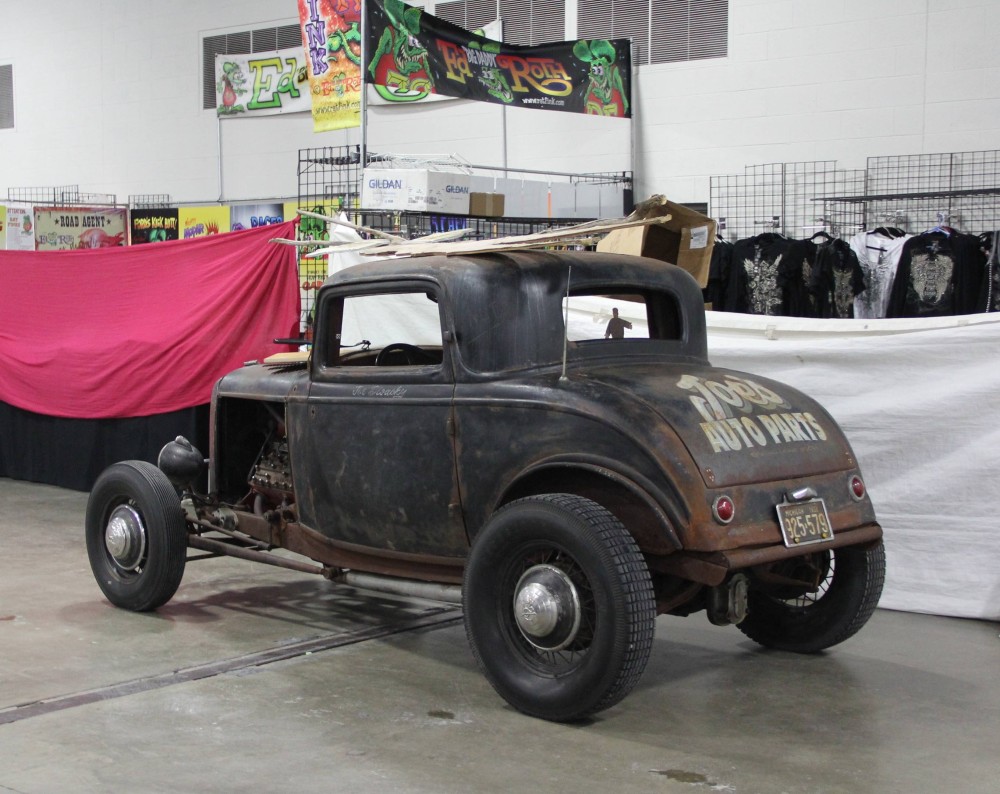
A car born in the early 1930s, adopted by hot rodders, immortalized by musicians, and then repackaged forever inside one of the world’s most famous lyrical misunderstandings? That feels weirdly appropriate. It means the car did what iconic cars do: it outlived its own era and kept finding new ways to stay relevant, even if one of those ways involved half the population thinking the song was saying something much dirtier than it actually was.
That is pop culture for you. One part history, one part distortion, one part people hearing exactly what they want to hear.
The Deuce Coupe just happened to get there first.