The Best Summer Tire Isn’t Always the Stickiest One, and That’s the Part Most People Miss
by AutoExpert | 25 June, 2026
A lot of people talk about summer tires the way people talk about hot sauce.
They want the most extreme one. The one with the biggest number, the most grip, the most bragging rights, the tire that makes it sound like they are half a step away from qualifying at Spa. That is fine in theory. In practice, most people are not spending their weekends chasing tenths on a track. They are driving to work, dealing with rain grooves, bad pavement, expansion joints, traffic, and the occasional back-road blast when life gives them twenty clean minutes and nobody is in front of them.
That is why the grip conversation gets more interesting the second you stop looking at it like a spec-sheet contest.
Because yes, the very best summer tires do produce incredible grip. But once you get into the top tier, the raw numbers get so close that the differences start becoming less about “which one grips” and more about how that grip arrives, how it disappears, and what the tire feels like on a real road when you are not pretending every freeway on-ramp is a qualifying lap.
That is where things start separating.
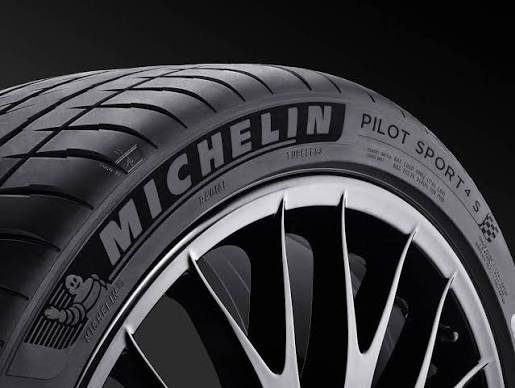
On paper, the Michelin Pilot Sport 4S always shows up looking like the superstar, and there is a reason for that. It is a genuinely excellent tire. Loads of grip, strong reputation, the kind of name people say out loud like it already settled the argument. And if all you want is to point at the highest cornering number and feel good about your purchase, Michelin usually gives you enough to justify the smugness.
But the gap at the top is not dramatic. It is tiny. Really tiny.
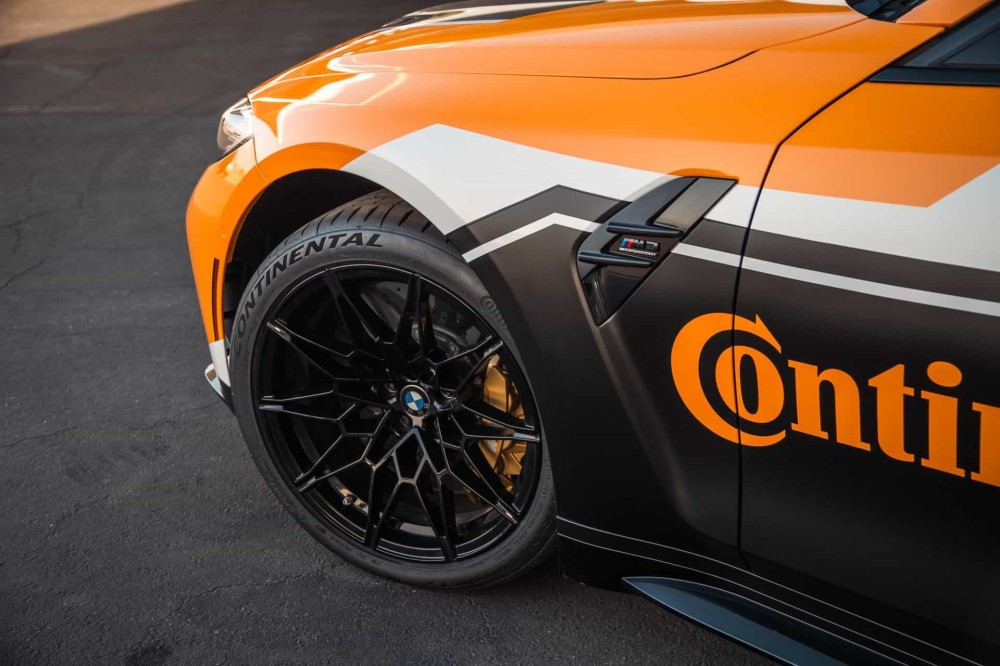
That is what makes the whole conversation more fun than people expect. The Continental ExtremeContact Sport 02, for example, hangs right there with the Michelin and in some situations actually feels like the smarter tire. Not because it wins the internet. Because it behaves well when you are asking a lot from it. A tire that hangs on heroically right until it suddenly does not can be impressive in a magazine test and annoying in real life. A tire that talks to you clearly, loads up naturally, and lets go in a way that does not immediately feel like the beginning of a mistake is often the better friend.
That is part of why people who actually drive hard care so much about predictability.
Grip by itself is only half the story. The real question is what happens near the limit. Does the tire warn you? Does it move into slip gradually? Does it feel recoverable? Or does it hold, hold, hold, then decide the conversation is over? A tire that is technically very sticky but weirdly abrupt can make a fast car feel nervous. A tire that gives you a little more warning, a little more softness at the edge, often ends up feeling faster simply because you trust it more.
And trust matters more than a lot of buyers admit.
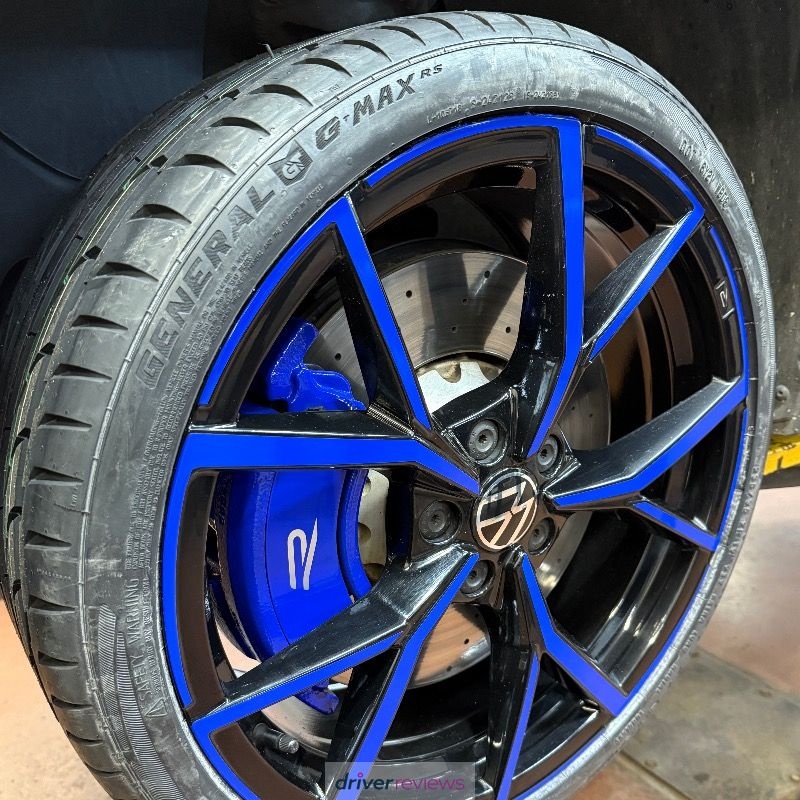
That is also why the value picks become interesting, because once you stop obsessing over the last microscopic bit of grip, the whole field opens up. A tire like the General G-MAX RS is not going to win every chart or make people whisper reverently in a paddock. But it does enough well, and that matters. It grips well enough, handles well enough, behaves well enough, and does not punish you on price the way the big-name stars do. For a lot of people, that is the smartest answer in the room.
Because the expensive part of summer tires is not just buying them. It is buying into the idea that you need the absolute best one when what you really need is one that suits how you drive.
There is also the daily-use part people skip over because it is less sexy. Noise matters. Ride matters. Steering feel matters. Wet-weather behavior matters a lot. A tire can be a monster in the dry and still become a little disappointing once real roads and real weather show up. The best summer tire for a person who drives their car every day is rarely the one that only shines on a warm track. It is the one that still feels composed when the road is imperfect, the weather changes, and the drive is more than one dramatic on-ramp and a coffee stop.
That is the hidden divide in this whole category.
Some summer tires are trying to impress you. Others are trying to work with you.
And usually the really good ones do both.
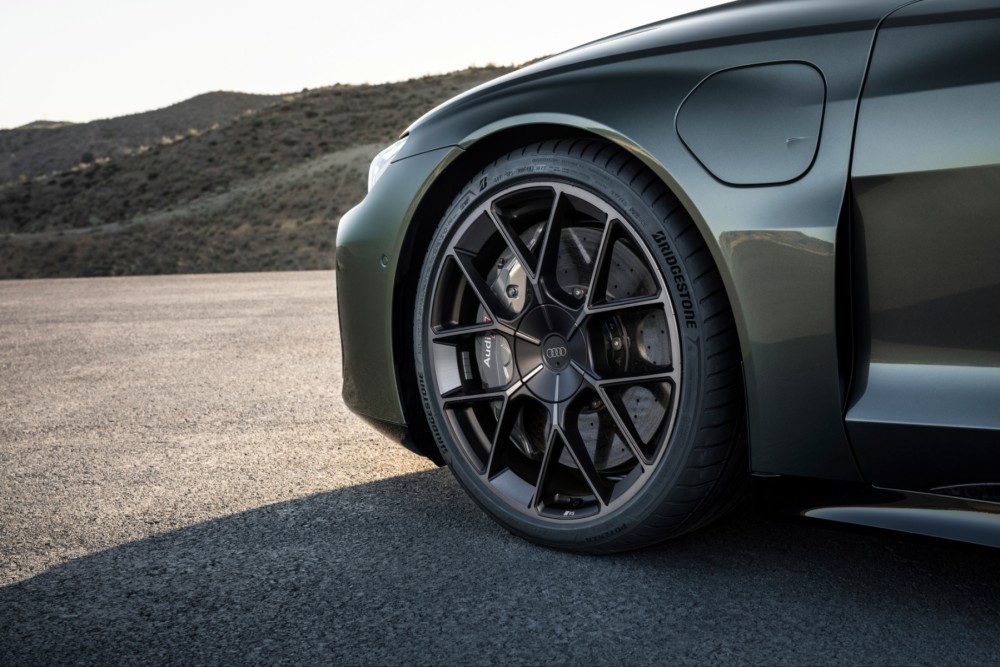
The Bridgestone Potenza Sport is a good example of where this gets tricky, because a tire can absolutely offer serious performance and still leave drivers feeling a little uneasy if the breakaway behavior is too sharp. Fast is good. Fast and a little sudden is something else. A lot of buyers never drive anywhere near that edge, but some do, and even drivers who are not deliberately hunting the limit can still feel the difference between a tire that behaves progressively and one that goes from planted to bothered more abruptly than expected.
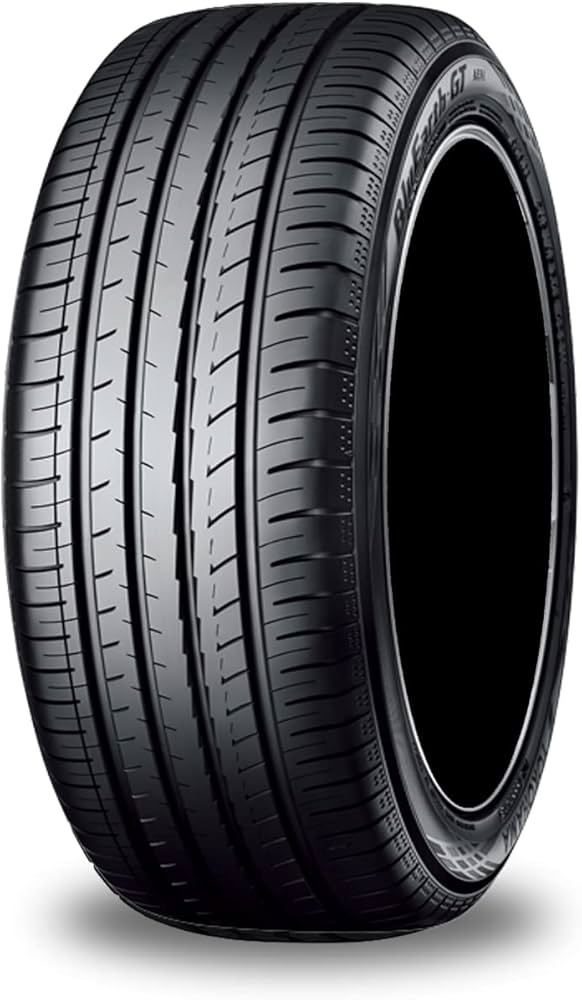
Then there is Yokohama, which tends to live in that interesting space where enthusiasts know it is good, casual buyers forget it exists, and then test results show it quietly embarrassing a few bigger egos. That is part of what makes the top summer tire category so tight now. There is no comically obvious winner. There are just slightly different flavors of very good, with some better for pure bragging rights, some better for confidence, and some better for not setting money on fire unnecessarily.
That is why asking “which one has the most grip” is a little too simple.
Yes, grip matters. Of course it does. But if the differences are tiny, then the better question becomes: which one gives me the most usable grip, the most confidence, the most consistency, and the least regret once the invoice shows up?
For some people, the answer will still be Michelin. That is fine. It is a great tire and has earned the reputation. For others, Continental may actually feel better because of how approachable and predictable it is when things get lively. And for a lot of sane people who are not trying to set personal records between stoplights, the General may be the one that makes the most sense because it gets so close to the expensive stuff without the same financial sting.
That is the dirty little secret of top summer tires.
Once you get into the good ones, the fight is not really about whether they grip.
It is about how they grip, how they talk, how they recover, and how much money you want to spend to feel one percent more heroic.