The $15 Tire Repair That Lasts for Years — and Most Drivers Have Never Heard of It
by AutoExpert | 16 June, 2026
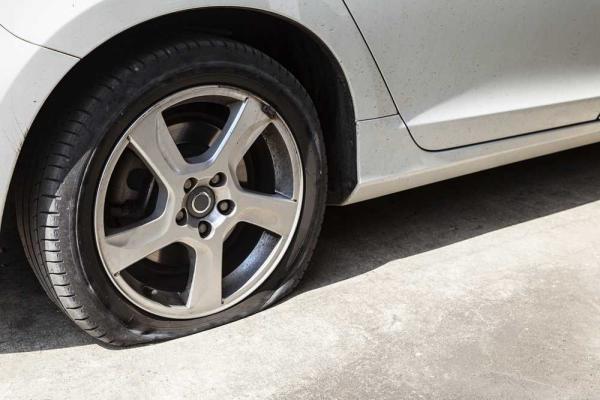
There's a specific kind of frustration that comes from walking out to your car in the morning and finding a tire that's low — again. Not flat, just soft. And soft again two days later after you fill it. You're losing maybe 5 PSI a week. There's something in there.
Most people do the same thing at this point: drive to a tire shop, wait 45 minutes, pay $30 to $40, and leave. That's fine. But there's another option that costs $15, lives in your glove box, and works just as well on a nail or screw puncture in the tread area. It's called a tire plug kit, and it's been around forever — mechanics just don't advertise that you can do it yourself.
What a Plug Kit Actually Is
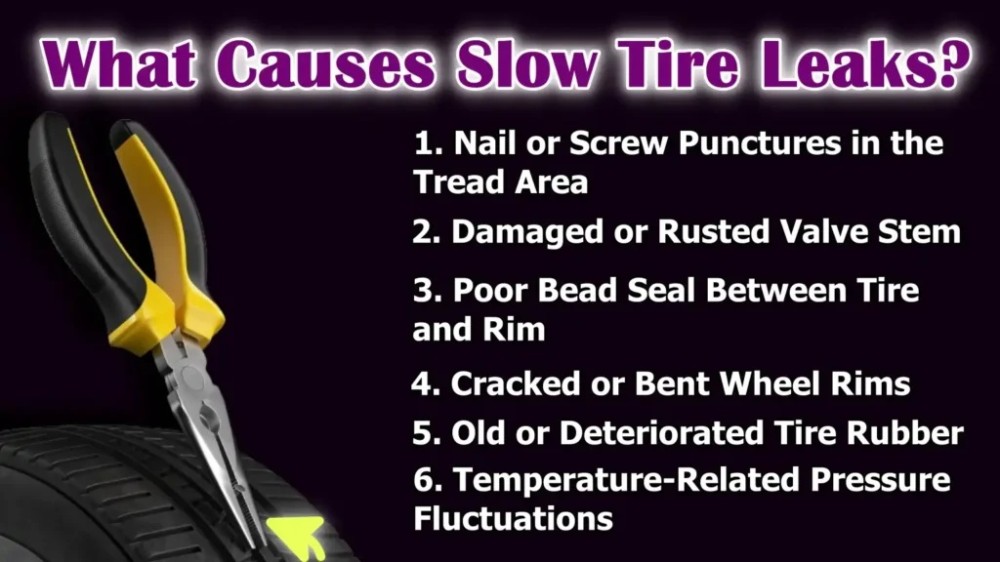
A tire plug kit is a small tool set that lets you seal a puncture from the outside of the tire without removing the wheel. It works on tread punctures only — not on sidewall damage, which requires a tire replacement full stop. If the hole is in the flat part of the tread and the object is a nail or screw that went in straight, a plug repair is legitimate and durable.
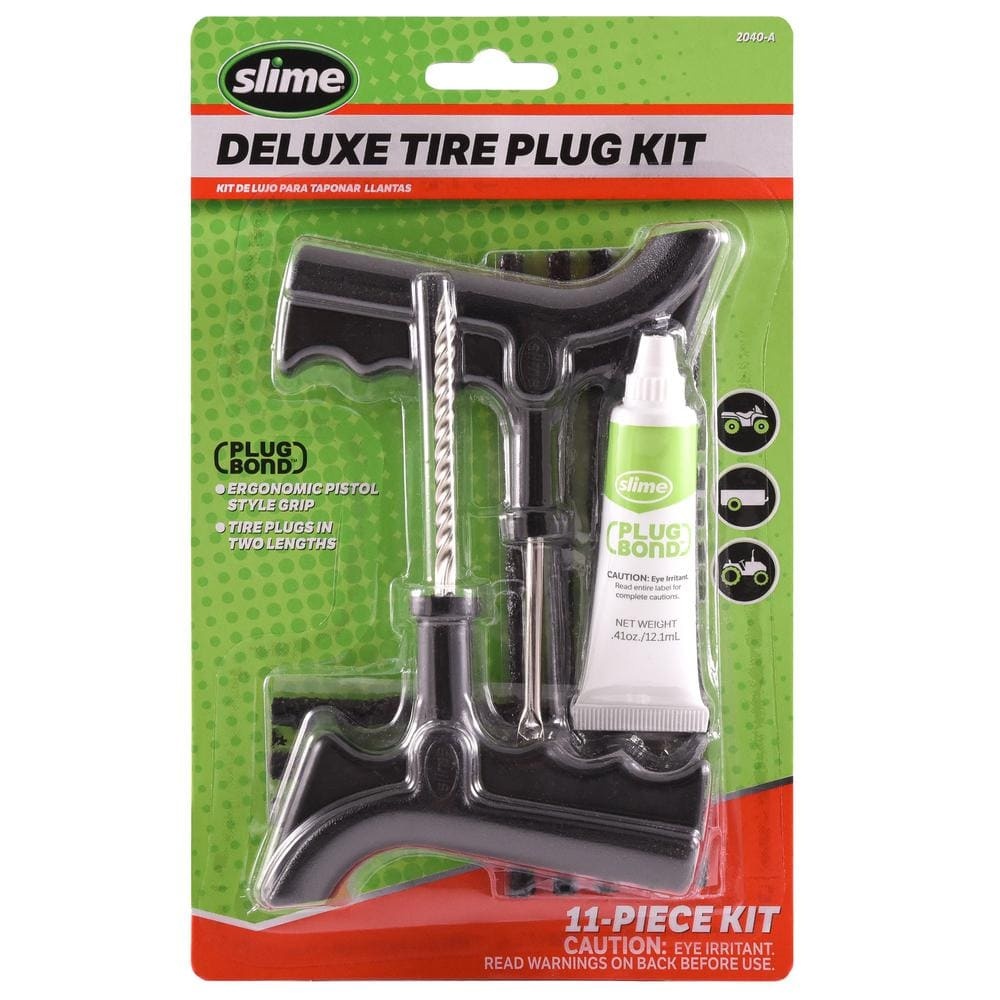
The kit typically includes a reamer (a rough rod that cleans and widens the hole slightly), an insertion tool, and a pack of rope plugs — strips of rubber-coated fiber material that get pushed into the hole and seal it. The whole thing costs about $15 at any auto parts store. The plugs themselves are sold separately and cost a few dollars for a pack of five.
How to Fix a Slow Tire Leak Step by Step
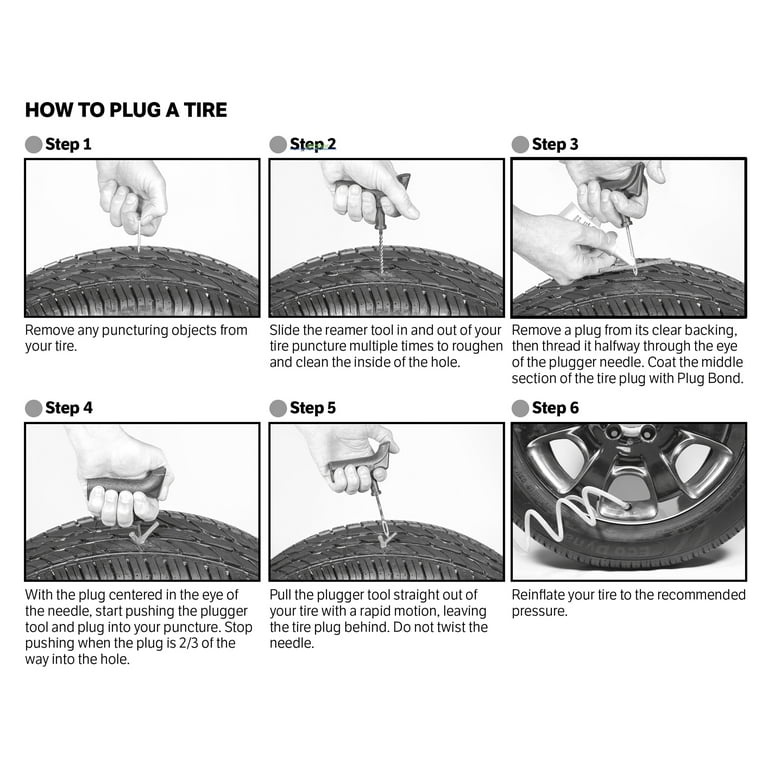
First, find the puncture. If the nail or screw is still in the tire, leave it in for now — it's actually slowing the leak. Spray soapy water around the tread and look for bubbling, or listen for a faint hiss. Sometimes you can hear it by holding your hand close.
Once you've found it, put your car on a flat surface, set the parking brake, and get to work. You do not need to jack the car up.
Pull out the nail or screw. Work quickly. Use the reamer tool and push it into the hole, then work it in and out a few times with moderate pressure. You're roughing up the hole slightly so the plug bonds to the rubber.
Thread a plug through the eye of the insertion tool so it hangs evenly on both sides. Coat it lightly with the rubber cement that comes with most kits, then push the whole thing straight into the hole — firm, steady pressure. Leave a small amount of the plug sticking out. Do not twist or pull.
Quickly cut the excess plug flush with the tread using scissors or a knife. Fill the tire to the correct pressure.
Spray soapy water on the repair. If you don't see any bubbles, you're done.
How Long Does It Last?
Properly installed, a plug repair lasts a very long time — often for the remaining life of the tire. Many shops use a combined plug-patch repair (where they also apply a patch from the inside), and that's technically the more complete fix. But for a puncture in the tread, a quality plug alone holds up well under normal driving conditions.
Check the repair pressure-wise for the first few days. If the PSI holds steady, you're good.
One note: some tire manufacturers and lease agreements specify that plugged tires are not acceptable and require a full patch-from-inside repair. If you're leasing, check first.
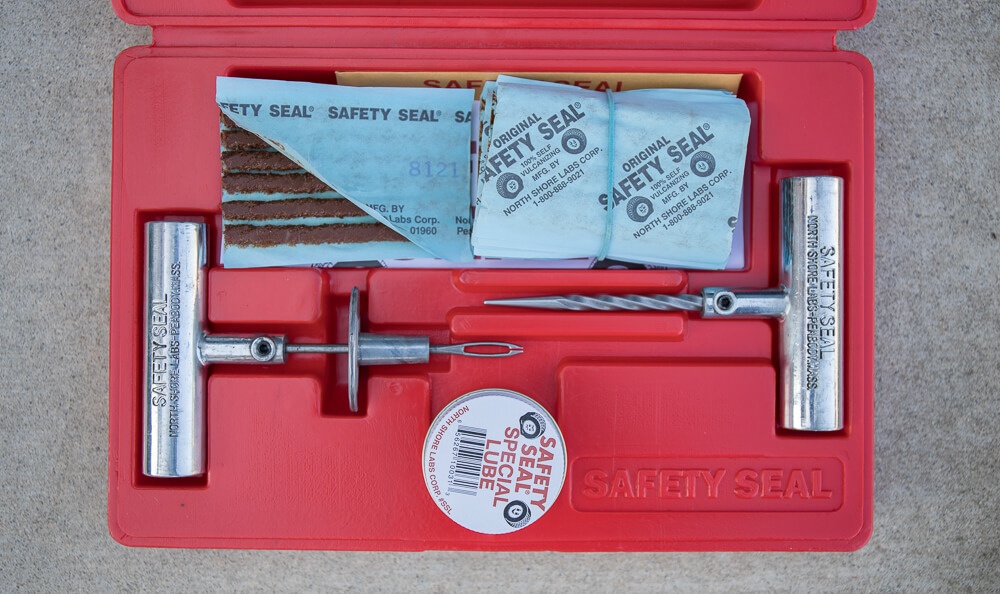
The kit takes up about as much space as a thick marker. Keep one in your trunk, and the next time you feel that slow wobble at highway speeds and realize you've got a nail in the tread, you'll be glad it's there.