
Can You Actually Sleep at a New York Thruway Rest Stop Without Getting Towed?
by AutoExpert | 24 June, 2026
Anyone who has ever hit that wall on a long drive knows the feeling.
The music stops helping. Coffee stops helping. Rolling the window down stops helping. At some point, the smartest move is not to “push through.” It is to pull over, shut the car off, and sleep before you turn yourself into a danger to everyone else on the road.
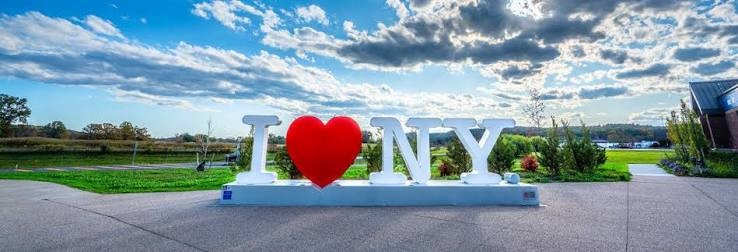
That is where the question comes in: if you are driving through New York and you are exhausted, can you legally sleep at a Thruway rest stop?
The short answer is yes, but like most things involving roads, parking, and government rules, the full answer comes with a few conditions.
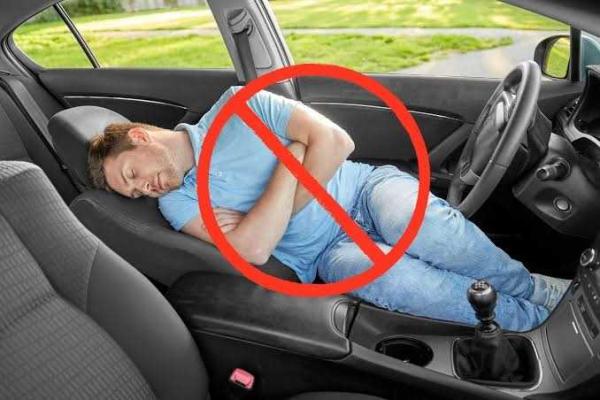
If you are driving a regular non-commercial vehicle, New York generally does allow you to stop and sleep at Thruway rest stops. You are not breaking the law by pulling in, locking the doors, and taking a nap because you are too tired to keep driving safely. In fact, common sense says that is exactly what people should do. Drowsy driving is dangerous, and pretending you can tough it out when your brain is already shutting down is how bad decisions turn into crashes.
Where people get confused is the difference between resting in the car and basically trying to use a rest stop as long-term parking.
Those are not the same thing.
The New York Thruway system may allow a tired driver to stop and sleep, but it is not meant to function like free overnight storage for unattended vehicles. If you are in the car, resting, and clearly using the area the way it was intended, that is one thing. If you leave the car sitting there for hours with nobody in it, that is where problems can start. Once a vehicle looks abandoned or unattended for too long, the odds of a tow go up quickly, and that gets expensive fast.
That is really the line to understand. Sleep because you need sleep, yes. Park indefinitely and disappear, no.
There is also a broader time limit people should keep in mind. New York does not want its Thruway plazas, service areas, and commuter lots turning into makeshift long-term parking. So while sleeping in the car is one thing, staying too long is another. The general idea is that these spaces are for short-term use, not for settling in. If someone stretches that into an all-day or all-night parking arrangement that looks more permanent than practical, they are asking for attention they probably do not want.
Commercial drivers, of course, are a different story.
Truck drivers live under a separate set of federal rules tied to hours-of-service requirements, and New York’s rest and service areas are built with that reality in mind. Commercial drivers are often required to stop and take specific rest periods, so the state accommodates that in a more structured way. But for ordinary drivers in ordinary cars, the guiding principle is simpler: rest when you need to, do not overstay, and do not treat the place like a campground or long-term parking lot.
And that is another point worth saying clearly: sleeping in your car is not the same thing as camping.

Most states, including New York in practice, are much more tolerant of someone quietly sleeping inside a vehicle than someone setting up outside of it. Once the scene starts looking like a campsite instead of a rest break, the mood changes. Chairs out, stuff spread around, doors open for hours, people lingering in a way that suggests they are not just passing through, that is when “taking a nap” starts looking like something else.
The safest way to handle it is to behave exactly like what you are: a tired driver using a rest stop to rest.
That means pull in, park properly, keep it low-key, stay with the vehicle, and move on when you are actually fit to drive again.
There is also the practical side of all this. Even when something is allowed, it still helps to use judgment. A rest stop may be legal, but that does not automatically make it the perfect place for a full night’s sleep. Lighting, noise, traffic, weather, personal safety, all of that matters. Some people only need twenty or thirty minutes to reset. Others are clearly done for the night. If it is the second situation, a hotel, motel, or other proper stop may still be the better call if it is within reach.
But if the choice is between sleeping in the car at a Thruway rest stop or nodding off at 70 miles an hour, this is not even a debate.
Sleep.
That is really the whole point. The law may have technical boundaries around time, parking, and unattended vehicles, but the bigger truth is simple: tired drivers need somewhere to stop, and a rest stop is supposed to be part of that solution.
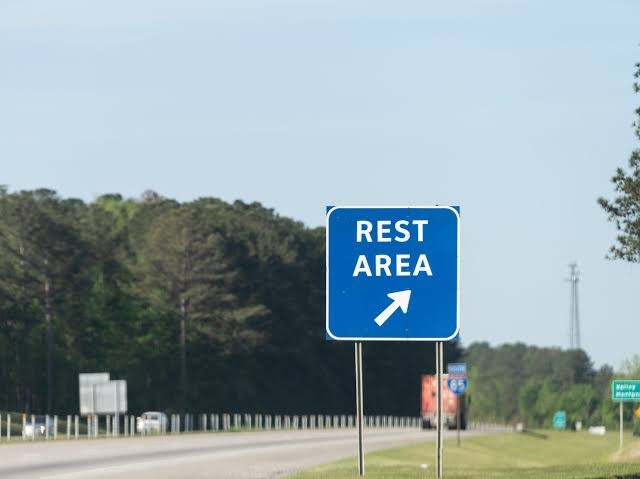
So yes, if you are in a non-commercial vehicle and you are exhausted, you can generally sleep at a New York Thruway rest stop. Just do not confuse resting with abandoning the car there, and do not treat the place like a free overnight parking plan with no limits.
Use it for what it is for, and you will usually be fine.