Some Dead Cars Deserve To Stay Buried, And Honestly, These Are At The Top Of The List
by AutoExpert | 23 June, 2026
Car people love a comeback story. Give a nameplate twenty years in the grave, hint at a revival, throw a teaser online, and suddenly half the internet starts acting like an old badge alone is enough to guarantee greatness. That is how this stuff always goes. Memory gets soft. Nostalgia does its usual editing job. Everybody remembers the vibe, the poster on the bedroom wall, the one cool version, the one cousin who had one in high school. Nobody remembers the mediocrity, the weird packaging, the terrible proportions, the rental-fleet smell, or the fact that some of these cars were not legends at all. They were just there.
And that is the uncomfortable truth behind a lot of revival talk: not every dead car deserves another shot. Some cars had their moment and used it well. Some were misunderstood. Some were genuinely good and probably killed off too early. But then there is the other category, the one people pretend not to see. The cars that are better left exactly where history put them.
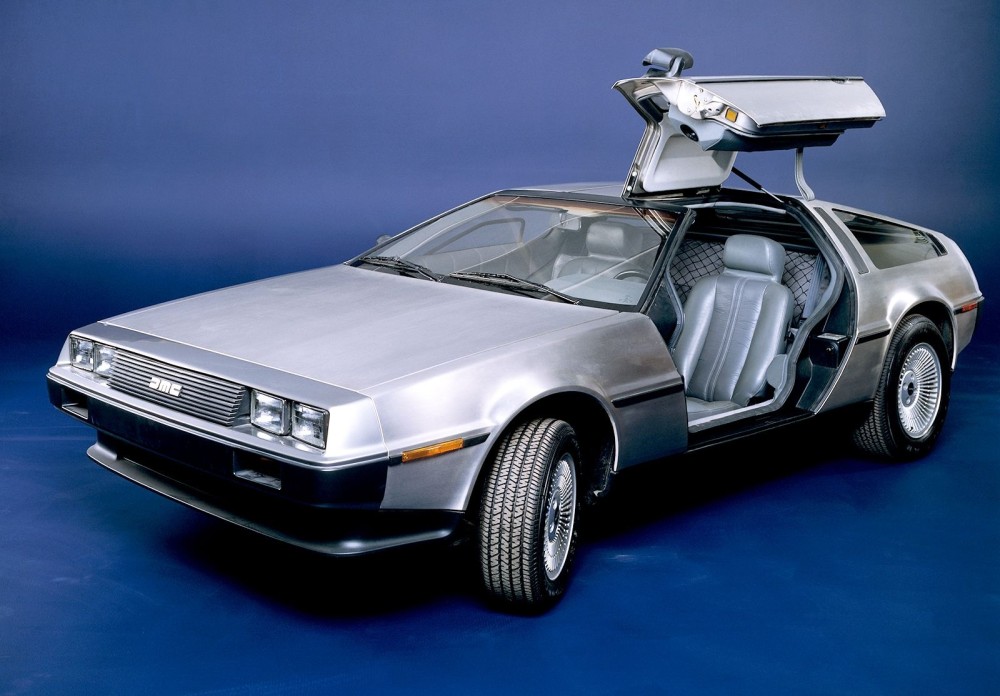
The DeLorean is a perfect example. People love the story, not the car. They love the stainless steel panels, the gullwing doors, the whole weird fever dream around John DeLorean and everything that happened after. They love what the car represents in pop culture. What they do not love, at least not honestly, is the actual experience of the thing. Because the actual car was not some masterpiece cruelly denied its future. It was mostly an idea wearing a very good outfit. Bringing it back would not make the myth stronger. It would just remind everyone that the original worked better as a symbol than a machine.
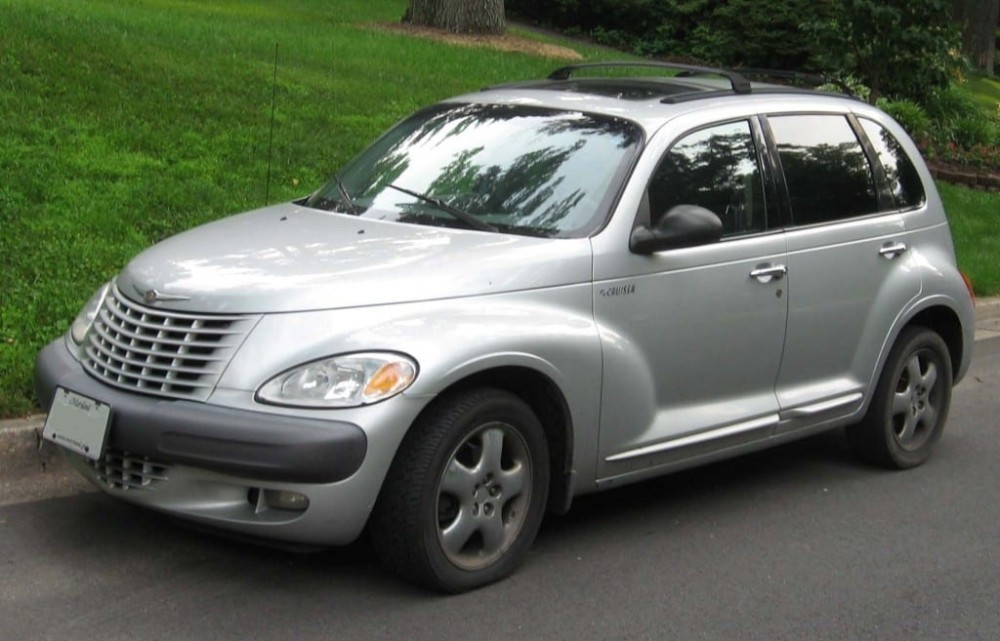
The PT Cruiser is a different kind of bad memory. That one did not survive because of brilliance either. It survived because for a brief moment, the market lost its mind over retro styling and Chrysler was there to cash in. Looking back now, it feels like one of those things society collectively agreed to tolerate and then quietly denied responsibility for later. Every time someone suggests that quirky design might deserve a return, you want to sit them down and ask if they have really thought this through. Not everything with a recognizable silhouette deserves redemption.
Then there are the cars that were not necessarily offensive so much as unnecessary, which is somehow its own sin. The BMW X4 lives in that category. It was born from the idea that what the world really needed was a coupe-shaped SUV version of an SUV that already existed, because apparently normal excess was not enough anymore. Cars like that make you question whether a model was created to satisfy an actual buyer or just to fill a gap in a PowerPoint slide. When something like that dies, it should be allowed to die with dignity, and more importantly, with finality.

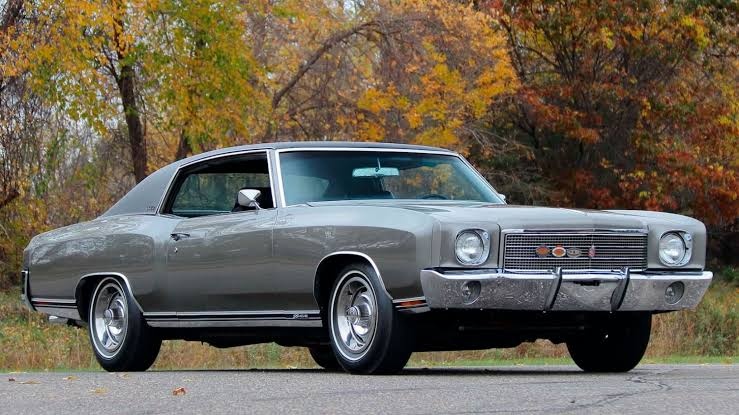
Some names also get ruined by their last act. The Monte Carlo is one of those. There are old Monte Carlos people still care about, absolutely. But the later version dragged the name into a place it never really recovered from. Once a badge has been stretched, diluted, and cheapened badly enough, bringing it back starts to feel less like homage and more like grave robbing. At some point, the right move is to stop pretending the name still has magic in it.
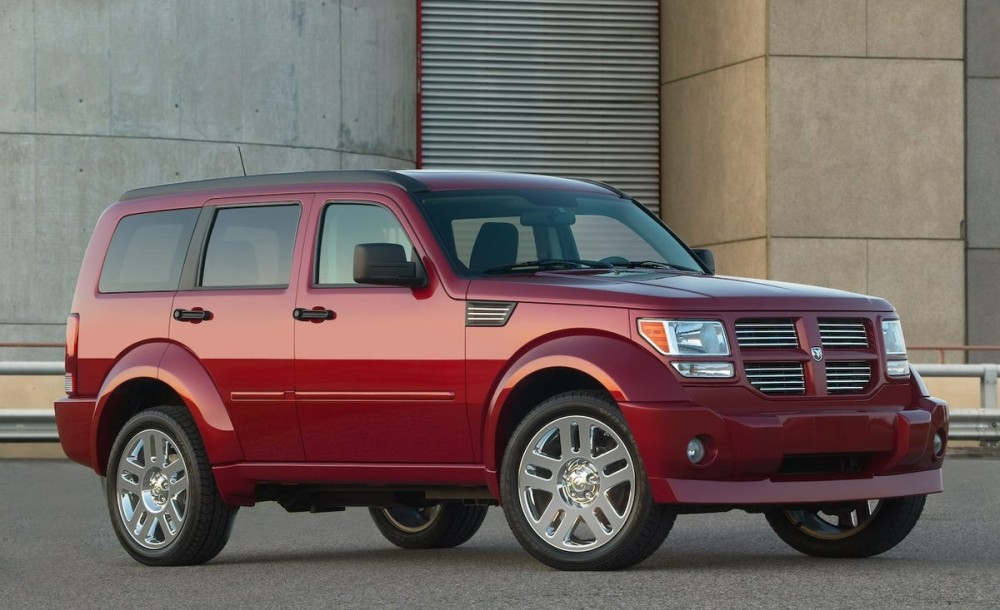
The Dodge Nitro belongs in a more direct category: no revisionist history, no hidden brilliance, no overlooked genius. It was just bad. Bad in the kind of complete way that makes resurrection feel like a threat instead of an idea. If Stellantis ever gets bored enough to go digging through old Dodge names looking for something “recognizable,” someone needs to physically block the drawer with the Nitro label on it.
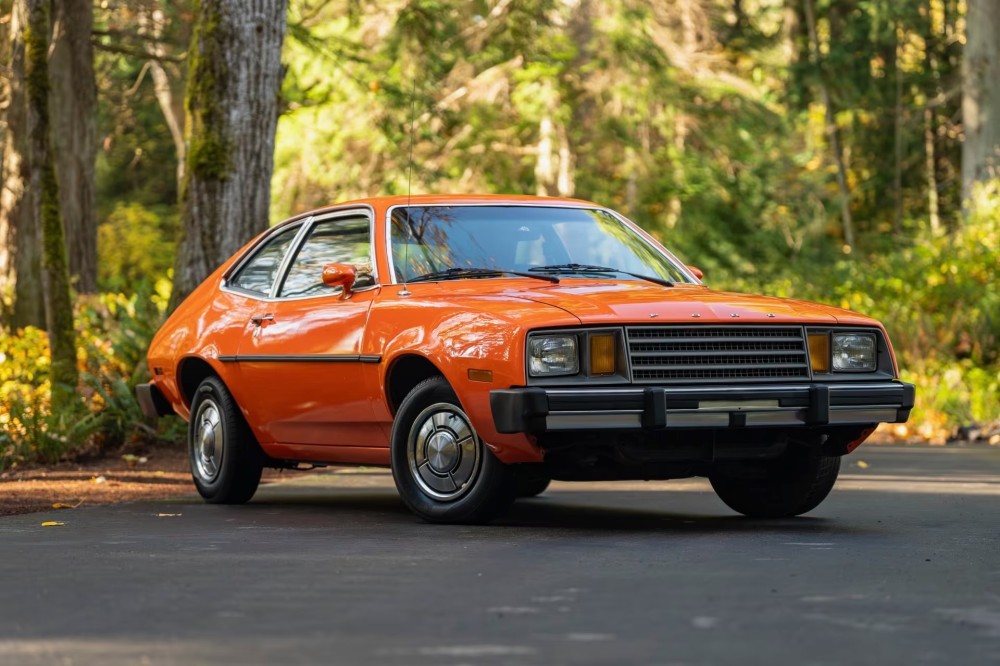
A few names are even more radioactive because the baggage is bigger than the car itself. The Ford Pinto is the obvious one. It hardly matters how much time passes. Some names do not come back because they are too tied to a specific disaster, too welded to one grim reputation to ever be clean again. You can redesign the whole vehicle. You can electrify it, rebrand it, reinvent it, give it a sleek concept reveal with moody lighting and a minimalist dashboard. It does not matter. The name is done. Everybody knows it. Best to leave it alone.
Acura somehow managed to make the ZDX feel cursed twice, which honestly takes commitment. The first version always felt like one of those premium-brand experiments that made more sense in a design studio than in an actual driveway. Then the name came back, and somehow the story still did not improve. At some point you have to respect the pattern. Some badges are not sleeping giants. They are warnings.

The funniest answers are usually the ones that are not even really about the car itself. They are about the larger exhaustion people feel with this whole cycle. Reboots, revivals, second acts, heritage bait, nostalgia monetized until it stops feeling affectionate and starts feeling desperate. That is why the strongest argument is probably the simplest one: maybe the industry needs fewer resurrections and more fresh ideas.
Because that is the part nobody says enough. The problem is not just that certain dead cars should stay dead. It is that constantly dragging old names back out of the cemetery is often a substitute for courage. It is easier to sell a memory than invent a future. Easier to revive a Camaro than come up with the next thing that might matter. Easier to dust off an old badge than risk building a new identity from scratch.
And sometimes that works. But sometimes it creates exactly the kind of zombie product everyone pretends to love right up until it lands in a showroom and nobody buys it.
That is why some dead cars should stay dead. Not because the past does not matter. It does. But because the past is not automatically improved by being restarted. Some cars deserve to be remembered as artifacts of their moment, not dragged back into ours and forced to prove something they never had in the first place.
The truly good ones do not need reviving to stay alive in people’s minds.
And the truly bad ones? They have already done enough.