
The Movie Cars So Wrong They Instantly Ruin the Scene
by AutoExpert | 19 June, 2026
A bad movie car can do more damage than a bad line of dialogue.
Most people will forgive a lot if the story is moving. They will forgive a plot hole, a ridiculous explosion, even an actor trying very hard to sound American and not quite getting there. But there is a special kind of wrong that hits when a car shows up on screen and clearly does not belong there. If the character would never drive it, if the year is wildly off, if the whole thing reeks of product placement, the illusion breaks fast.
And once that happens, it is hard to get back into the story.
Cars are not background filler. Not really. In anything set in the last hundred years, they help define the world. They tell you who has money, who is practical, who is pretending, who is struggling, who peaked in 1998, who still owes money on a very bad decision. A car can do character work in five seconds if the filmmakers get it right.
Which is why it is so distracting when they get it badly wrong.
Take The Great Gatsby. This one drives car people insane every single time. The story is set in 1922, but adaptations keep sneaking in cars from later years because they look prettier, more dramatic, more “Gatsby” in that glossy Hollywood way. And sure, they look fantastic. They just do not belong there. It is like setting a movie in the 1970s and casually parking a 1994 Lexus in front of the house because the lines are nicer. Once you notice it, that is all you see.
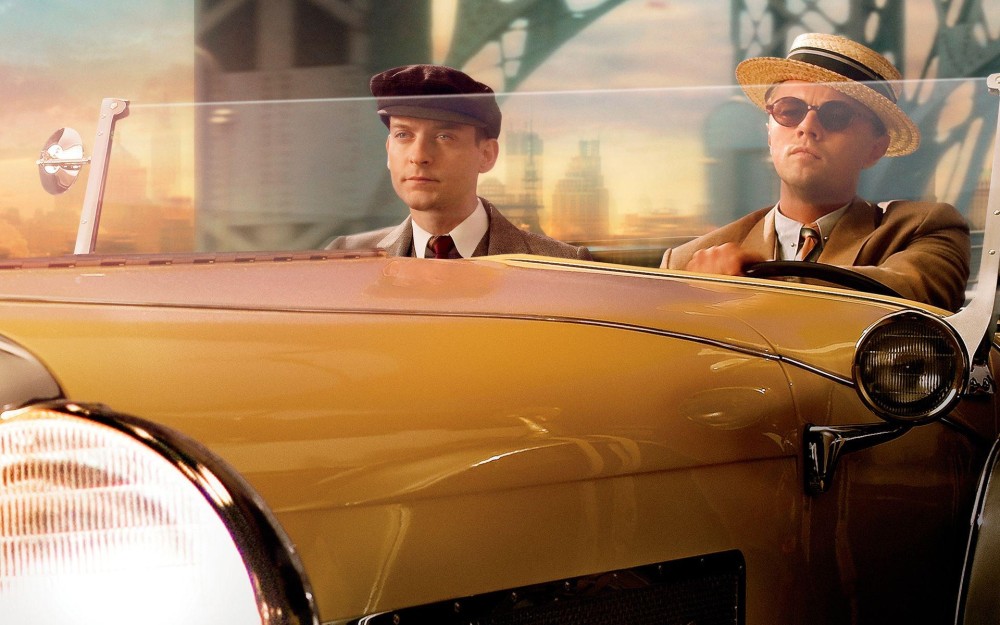
Then there are the cars that make no sense for the character. That may be even worse, because it feels lazy. A perfect example is when a supposedly broke or struggling character somehow owns something that would cost a fortune in the real world. Viewers are expected not to notice, but people do notice. If someone is meant to be down on their luck, barely keeping life together, and they climb into a spotless, fully restored cult classic that collectors would fight over, the whole setup starts to wobble.
That is why those pristine old Broncos stand out so badly in certain shows and movies. Yes, they look amazing on camera. Yes, everybody loves an early Bronco. But if a teenager in a working-class neighborhood is driving one that looks like it just rolled out of a six-figure auction, that is not character development. That is fantasy.
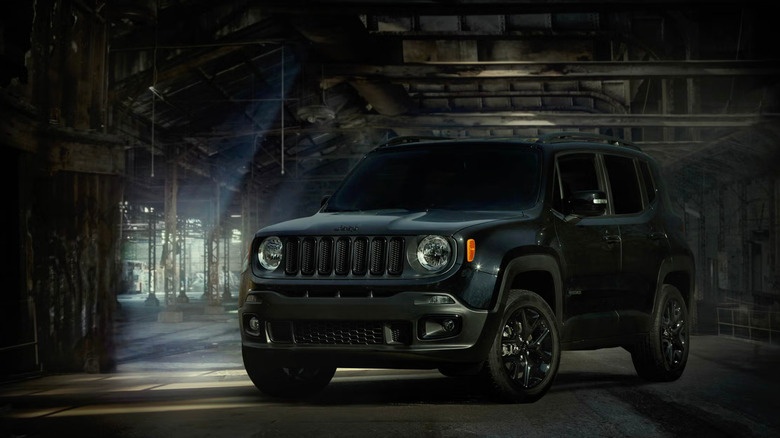
The same thing happens when supposedly desperate characters are paired with vehicles that quietly say the opposite. A guy who cannot cover his child’s medical costs should not be driving away in a lovingly restored first-generation Bronco unless the movie plans to explain why he has not sold it. If it does not explain it, it just looks absurd. The audience may not know the exact market value, but they know when something feels off.
Sometimes the problem is not realism so much as shamelessness. Nothing pulls people out of a film faster than the sense that the studio promised a brand too much screen time. Once that feeling kicks in, every clean logo, every perfectly framed grille, every lovingly lit dashboard starts to feel less like storytelling and more like an ad. The Matrix Reloaded gets accused of this all the time, and honestly, not unfairly. There are moments where it stops feeling like a movie and starts feeling like someone was handed a fleet deal and told to be grateful.
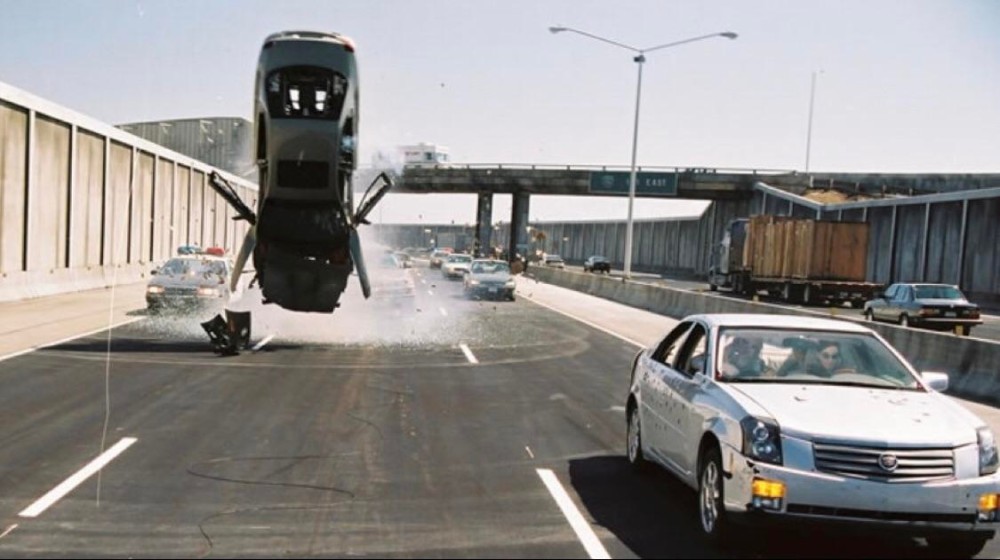
That same kind of weirdness shows up in TV too, especially when a brand-new car appears in a world where it absolutely should not. Post-apocalyptic shows are especially guilty of this. If civilization has collapsed, society is in ruins, everyone looks filthy and half-starved, and then somebody is suddenly cruising around in a suspiciously current-model crossover that looks freshly detailed, people are going to notice. They are supposed to notice the zombies. Instead they are noticing the marketing department.
And then there are the chase scenes, which may be the funniest offenders of all. Every viewer is apparently expected to believe that some giant black government SUV can corner, brake, and accelerate like a sport bike or a genuinely quick car. It is one of those action-movie habits that survives because it is convenient, not because it makes any sense. Even worse, the hero can spend half the chase being pursued by one version of the truck, only for it to magically transform into an older, cheaper stunt car the second it needs to crash or explode. Once you see that trick, you start spotting it everywhere.
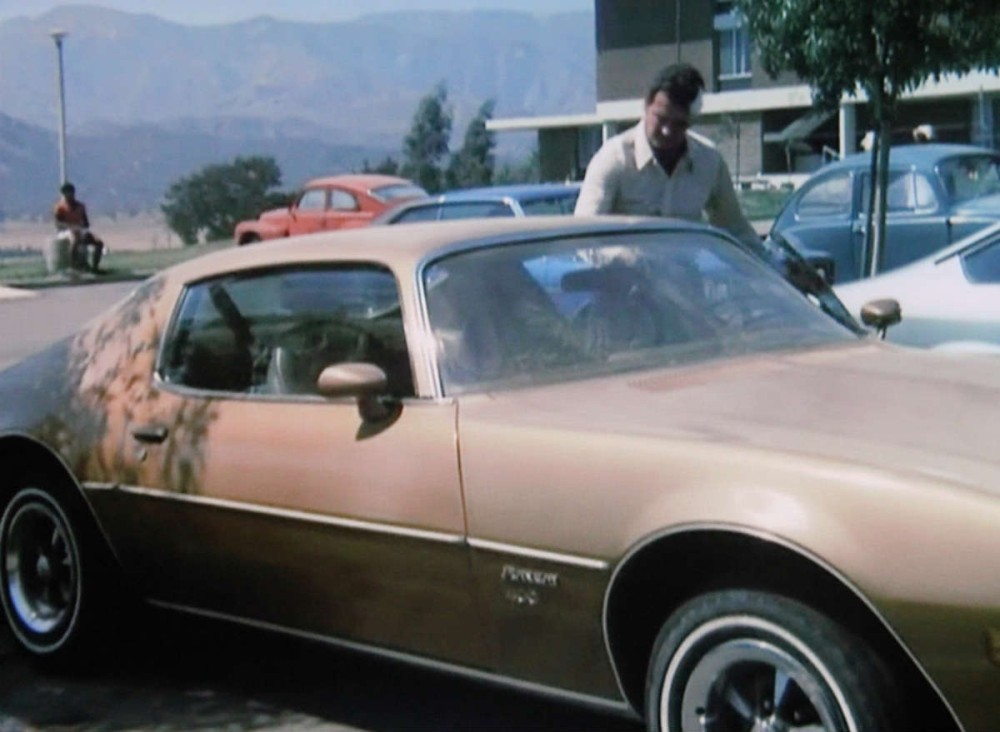
Sometimes it is not even the car itself. Sometimes it is the sound. Nothing annoys vehicle people faster than hearing the wrong engine note slapped onto the wrong machine. A bike that should sound like one thing suddenly sounds like something completely different because the editors liked the noise better. Most viewers may not catch it. The ones who do will never stop thinking about it.
That is really the whole issue with bad car casting. It is rarely about snobbery. It is about care.
When a filmmaker gets the car right, it deepens the character without announcing itself. When they get it wrong, it does the opposite. Suddenly the audience is no longer watching the scene. They are doing mental math about auction prices, model years, and whether a successful lawyer in a glossy coastal drama would really be driving that exact compact SUV.
Probably not.
A well-cast car feels invisible in the best possible way. It belongs. A badly cast one steals the scene for all the wrong reasons. And once that happens, no amount of dramatic lighting or swelling music is going to fix it.