
These Plug-In Hybrids Were Supposed To Be The Smart Choice. A Few Are Already Dead
by AutoExpert | 25 June, 2026
Plug-in hybrids always sound like the sensible answer when you first hear the pitch.
You get some electric driving for the short stuff. You still have a gas engine for road trips. No full commitment. No charger panic. No range anxiety spiral at 9:30 p.m. in a Target parking lot. Just the best parts of both worlds, neatly packaged into one vehicle for people who want to feel practical and modern at the same time.
And on paper, that sounds great.
In real life, though, plug-in hybrids can also end up being the most complicated version of everything. Two systems to manage, more hardware, more software, more stuff that has to cooperate perfectly every day without drama. When it works, it feels clever. When it does not, it can start to feel like somebody took a normal car, added a second personality, and then acted surprised when the two stopped getting along.
That is part of what makes the recent reliability conversation around plug-in hybrids so awkward. Because the idea is still good. Some of the actual vehicles, not so much.
A few of the least reliable plug-in hybrids of 2026 have already been discontinued, which is not exactly a confidence-building detail for a category that is still trying to convince skeptical buyers it is the obvious middle ground. And what makes it even worse is how quickly some of these models went from “advanced electrified option” to “maybe let’s quietly stop doing this.”
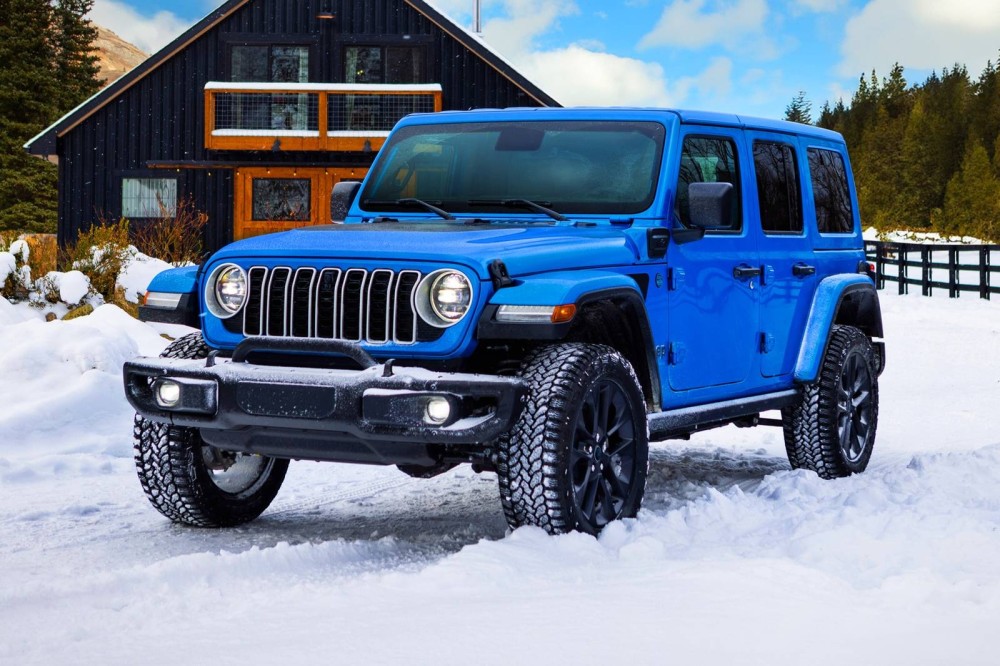
Jeep is the clearest example of the whole thing going sideways.
The Wrangler 4xe should have been easy to sell. It was still a Wrangler, still looked the part, still offered the whole rugged-image package people buy Wranglers for in the first place, just with a plug attached and a greener story to tell themselves. The trouble is, Jeep buyers will tolerate a lot under the heading of character. Weird road manners? Sure. Questionable roof logistics? Fine. A little daily inconvenience in exchange for trail cred? That is practically part of the brand. But there is a limit. And “please park it outside and maybe do not charge it because it could catch fire” is well past that limit.
That is not a character flaw. That is just a flaw.
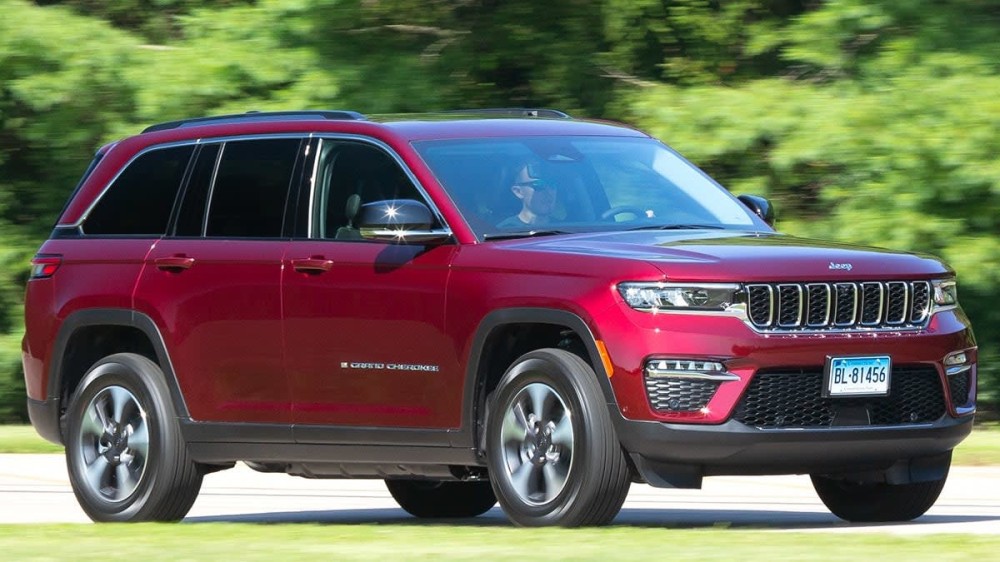
The Grand Cherokee 4xe had a different vibe but ran into a similar problem. It was supposed to be the more polished version of Jeep’s plug-in hybrid idea. Same general electrified promise, just aimed at people who wanted more comfort, more normalcy, and less of the whole removable-doors adventure lifestyle. In theory, that should have broadened the appeal. In practice, it mostly meant the problems felt even less forgivable. A rough-around-the-edges off-roader can sometimes survive on personality. A pricey family SUV with upscale ambitions does not get the same slack. If the ownership experience starts feeling unstable or compromised, buyers stop feeling charmed and start feeling ripped off.
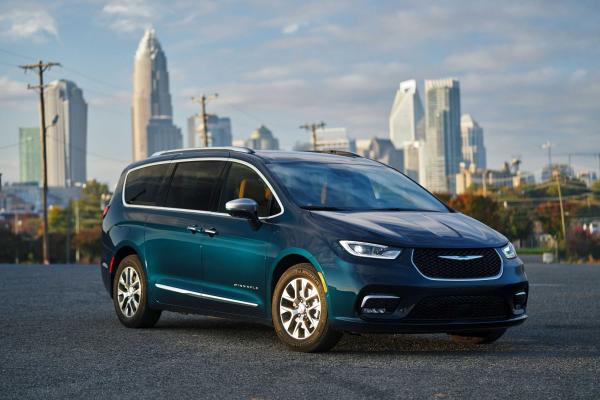
Then there is the Chrysler Pacifica Hybrid, which might be the most disappointing one of the lot simply because the idea made so much sense.
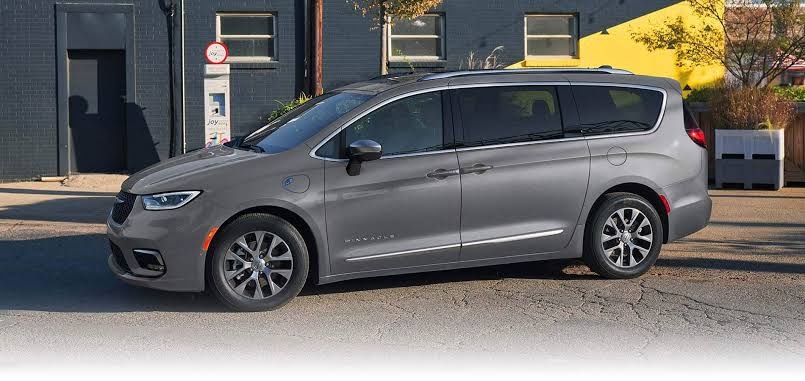
A plug-in hybrid minivan should be a home run. Short daily family trips are exactly where electric driving shines. School runs, grocery errands, after-school chaos, back home, out again, all of that is perfect plug-in hybrid territory. The Pacifica Hybrid should have been one of those rare products that felt almost too logical to fail.
Instead, it ended up collecting the kind of battery-related headlines nobody wants attached to the vehicle carrying their kids. And once a practical family-hauler starts getting associated with fire risk and high-voltage battery drama, the whole “sensible choice” aura disappears in a hurry.
That is what makes the whole segment feel shaky right now. It is not that the promise was fake. It is that complexity has a way of ruining a good pitch.
And to be fair, not every plug-in hybrid on the unreliable list is dead yet.
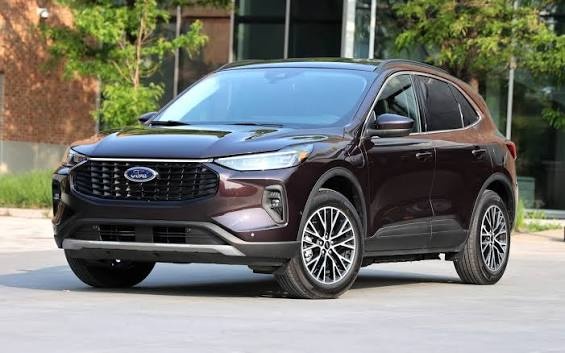
The Ford Escape Plug-In Hybrid is still hanging around, which feels very Ford somehow. Quietly persistent, a little too normal-looking for the amount of technical drama beneath the skin, still trying to present itself as the reasonable one in the room. The Escape PHEV makes sense in theory the same way a lot of these vehicles do: compact crossover shape, usable electric range, familiar daily-driver packaging. The problem is that “makes sense in theory” is doing a lot of work when battery issues and recall language start entering the conversation.
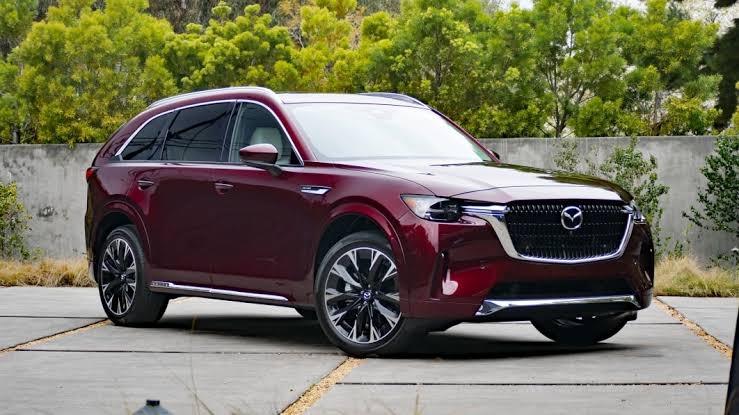
Mazda’s CX-90 PHEV is a different kind of case because it is trying to do something a little more ambitious. This is not some stripped-down efficiency appliance. It is handsome, expensive-looking, polished, and aimed at people who want a three-row SUV that feels a little more grown-up than the obvious mainstream choices. Which is exactly why reliability issues land harder. The more premium a vehicle tries to feel, the less patience people have when it starts behaving like an early software beta with heated seats.
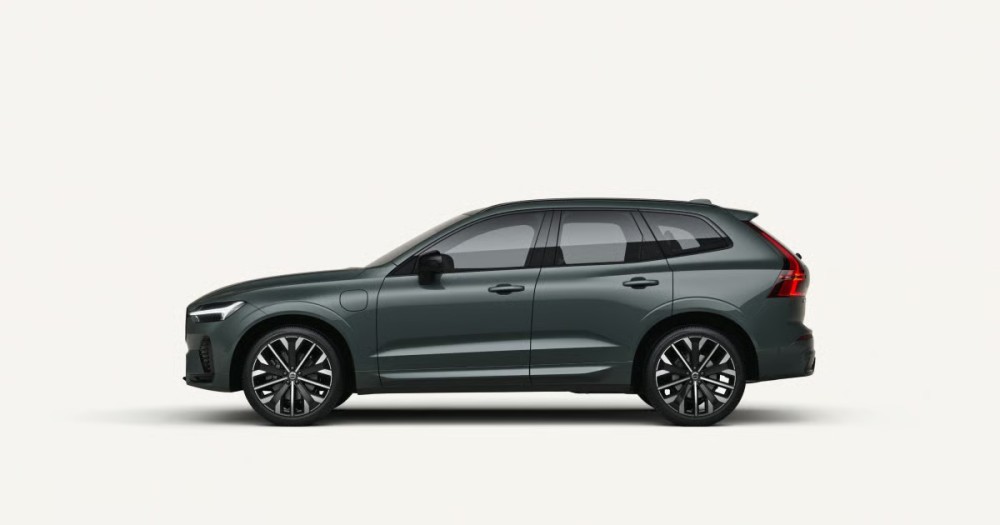
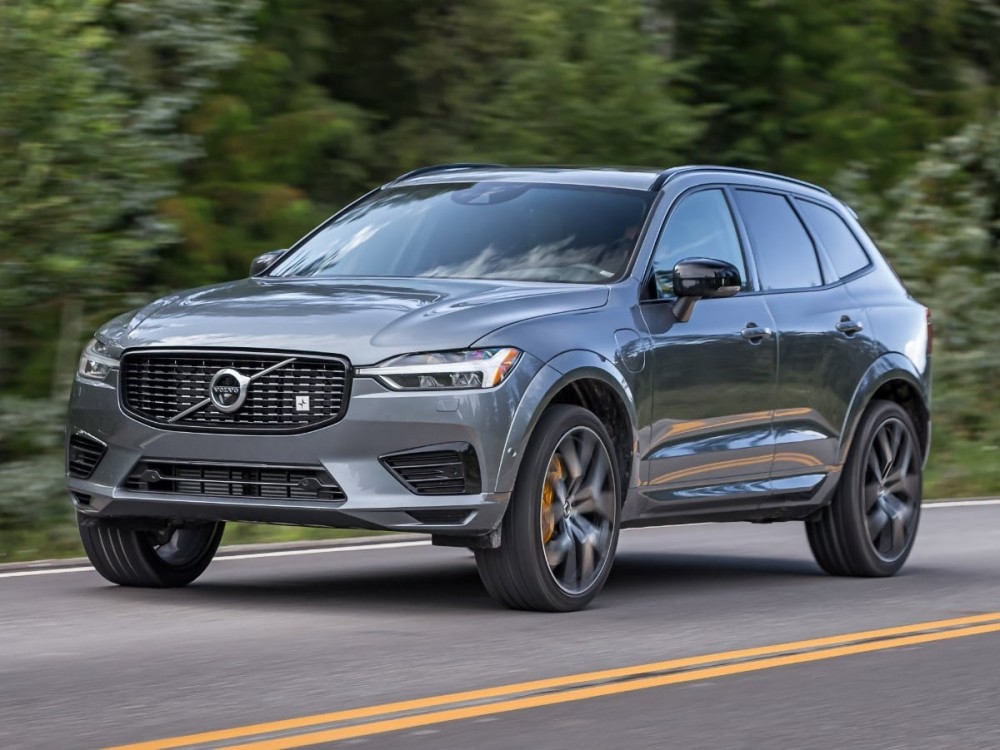
Volvo’s XC60 Recharge may be the most appealing one here from a distance. Fast, stylish, tasteful, quietly overpowered in that way Volvo sometimes likes to be. It sells a lovely little fantasy: responsibility without boredom, family-car logic with a pulse. But even here, once battery-module concerns and regenerative braking issues enter the picture, the fantasy starts looking a lot more fragile.
That is really the problem with plug-in hybrids in general. They are sold as the no-compromise option. Not fully electric, not old-school gas, just a clever bridge between the two. But the bridge only works if buyers trust it. The second too many of these vehicles start sounding glitchy, overly delicate, or slightly combustible, the whole “best of both worlds” story starts mutating into “double the complexity, double the trouble.”
And buyers notice that faster than automakers like to admit.
Because nobody spends real money on a plug-in hybrid just to become a patient early adopter of recurring headaches. People buy these things because they want convenience. They want efficiency without sacrifice. They want to feel like they made the smart move. The second ownership starts feeling like a science project with a warranty file attached, that feeling is gone.
So yes, plug-in hybrids still make sense in theory. Some of them may even redeem themselves in practice. But when several of the least reliable ones are already being pushed offstage, it becomes a lot harder to pretend this is just a few isolated hiccups.
Sometimes the future arrives awkwardly.
And sometimes it gets discontinued before it even finishes its explanation.