
You Can Remove Most Car Scratches at Home for Under $20 — Here's the Exact Method
by AutoExpert | 16 June, 2026
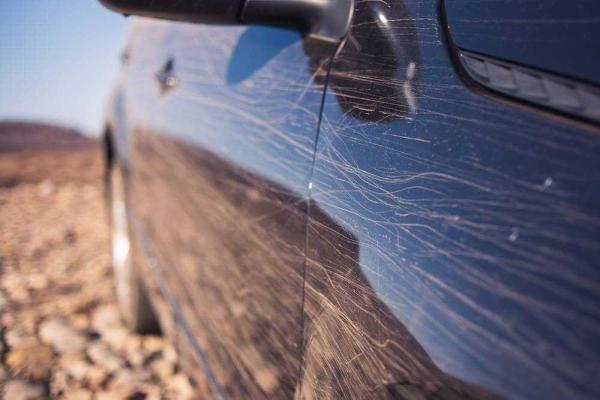
At some point, almost every car gets a scratch. A shopping cart, a narrow parking lot, a set of keys. Whatever happened, you're left looking at a line in your paint and trying to decide whether it's worth taking the car in for a $200 body shop estimate on a repair you'll probably never quite forget is there.
The good news: if the scratch is light, meaning it hasn't cut through to the metal, you can very likely fix it yourself for under $20 and get a result that's difficult to see in normal light. The honest news: if it's deep enough to feel with your fingernail, this method reduces the appearance but won't make it disappear.
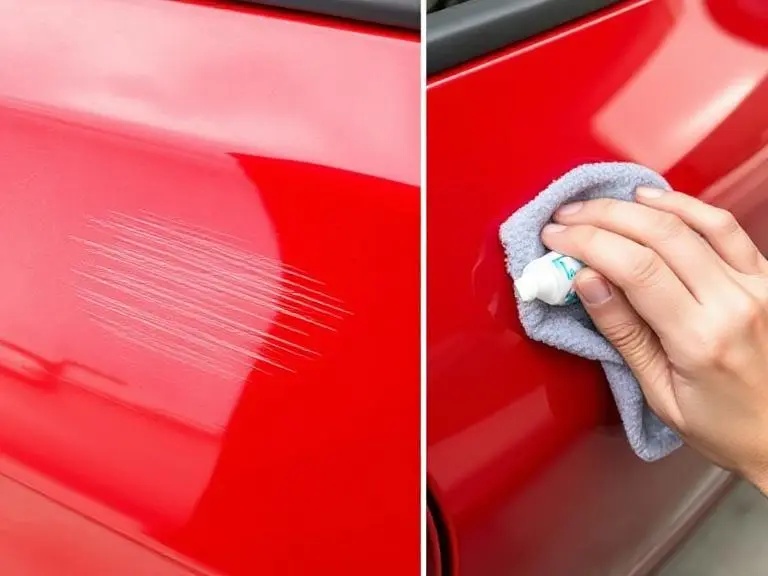
How to Tell What Kind of Scratch You Have
Run your fingernail across the scratch. If your nail glides over it smoothly, the scratch is in the clear coat only — this is the easiest to fix. If your nail catches slightly, you've gone into the color coat beneath the clear. If the scratch is white or shows a completely different color underneath, you've hit primer or bare metal. That last category needs body shop attention because water will find bare metal and start rusting it.
For clear coat scratches and shallow color coat scratches, the home method works well.
What You Need
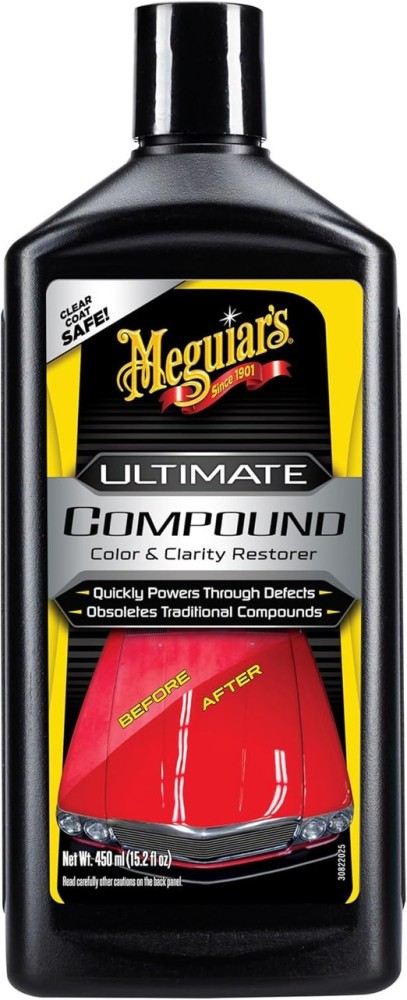
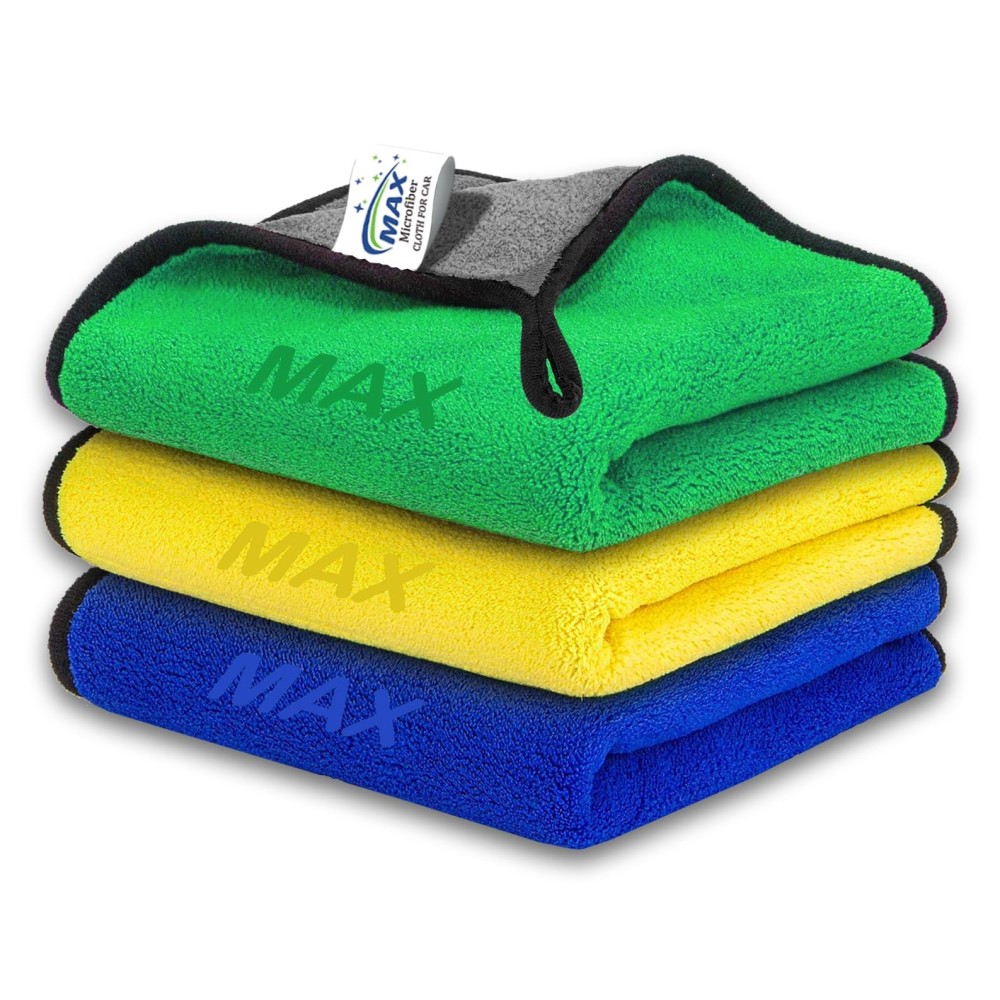
A bottle of polishing compound (not wax — compound is abrasive, wax is not). Meguiar's Ultimate Compound is around $12 and works well. A couple of clean microfiber cloths. That's it.
Optional but helpful: a dual-action polisher if you have one, or access to one. They do the work faster and with more consistent pressure. But hand application works fine for small scratches.
How to Remove Car Scratches Step by Step
Wash the area first. Polishing compound over dirt just drags grit across your paint and creates new scratches. Clean the panel, rinse it, and dry it before you touch the scratch.
Apply a small amount of polishing compound — about the size of a quarter — to a microfiber cloth. Work it into the scratched area using firm circular motions, then straight back-and-forth strokes along the length of the scratch. You're using the compound's mild abrasive to level the clear coat around the scratch, which makes the scratch less visible and can remove it entirely in mild cases.
Keep working the area for 30 to 60 seconds, then wipe away the residue with a clean cloth. Check the result in good light. Repeat if needed.
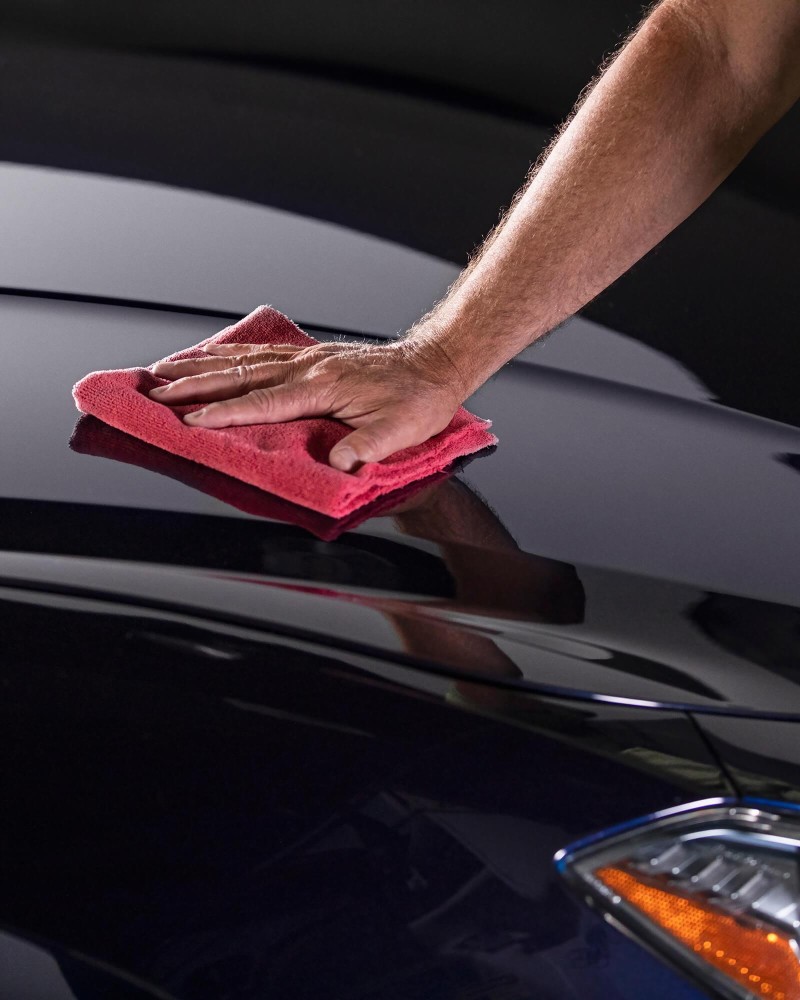
When you're satisfied with the scratch, apply a coat of wax or paint sealant to the area. The compound removes some of the clear coat's protection along with the scratch, and the wax restores it.
What Compound Cannot Do
It cannot fill a scratch. It levels the surrounding clear coat, which makes the scratch less visible — but if the damage goes deep enough, all the compound in the world just makes the surrounding paint shiny without hiding the actual damage. In those cases, a body shop touch-up pen (color-matched to your car's paint code, which is on a sticker in the driver's door jamb) can fill the scratch before you apply compound.
Dealerships and body shops charge $150 to $300 for scratch repairs that often don't look much better than a careful home job on the same damage. For anything that isn't bare metal, it's worth spending 20 minutes in your driveway first.