Why German Performance Cars Hit 155 MPH, Then Just… Stopped
by AutoExpert | 22 June, 2026
If you have ever spent time around German performance cars, you have probably noticed the number comes up again and again: 155 mph.
Not 152. Not 160. Not some random figure pulled out of an engineer’s notebook. Always 155, as if half of Germany woke up one morning and collectively decided that was fast enough for everybody.
And in a way, that is basically what happened.
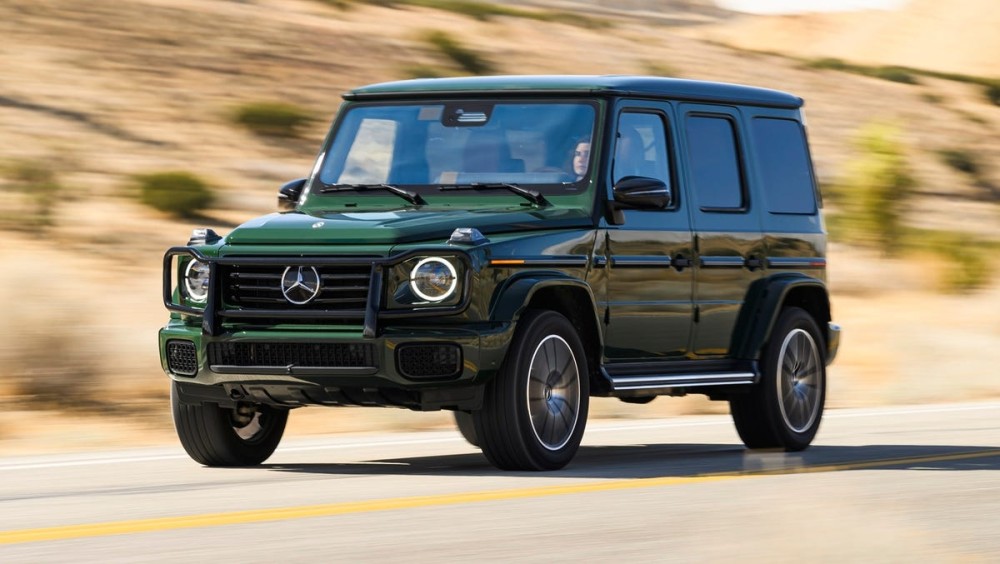
For years, one of the odd little truths of the German car world was that a lot of fast BMWs, Mercedes, and Audis were not actually allowed to be as fast as they could be. The engines had more to give. The chassis could handle more. In many cases, the car itself was clearly built for more. But somewhere around 250 km/h, or 155 mph, that was it. The party ended.
It was not because the cars ran out of courage. It was because the manufacturers made a deal.
Back in the 1970s, pressure was building in Germany around road safety and the Autobahn. The country’s famous unrestricted motorway network was already part of the national identity, but so was the fact that cars were getting faster. At the same time, tire technology and safety systems were nowhere near where they are now. Politicians and safety advocates wanted stricter limits. Carmakers, unsurprisingly, did not want the government stepping in and slapping a formal speed limit across the Autobahn.
So the industry came up with a very German solution: self-discipline, but only just enough to avoid actual regulation.
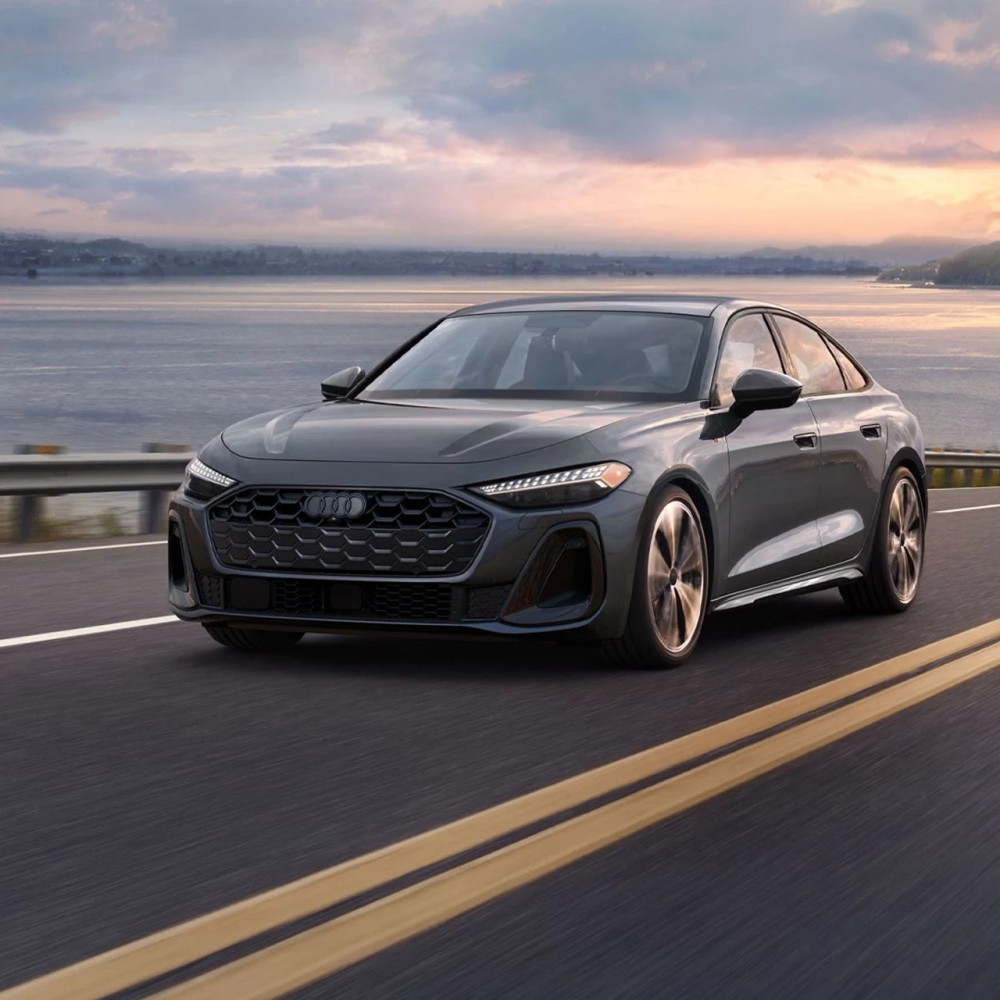
BMW, Mercedes-Benz, and Audi more or less settled on an informal agreement to cap top speed at 250 km/h. That became the magic number. Fast enough to preserve the idea of the Autobahn as a place for serious performance. Restrained enough to let the automakers say, look, we are being responsible, no need for the government to interfere.
And for a long time, that was that.
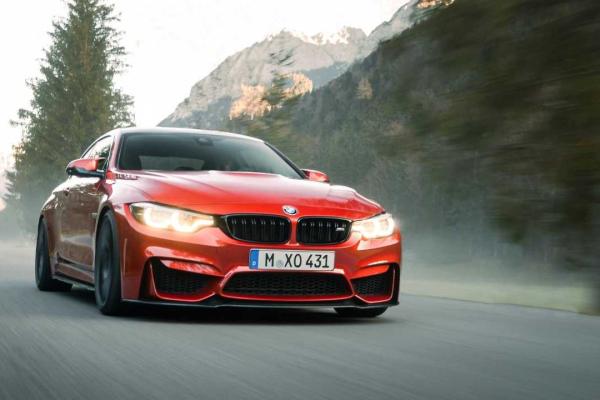
It was not some dramatic mechanical wall, either. These cars were not physically incapable of going faster. They were electronically told not to. That is an important difference. A lot of German performance cars were basically being asked to stop mid-sentence. A BMW M5, for example, could have gone well beyond that limit, but from the factory it was still made to bow politely at 155 unless the buyer paid for the version that quietly admitted the car had more in it.
That part always made the whole thing a little funny. The limit was treated like principle right up until somebody checked the right option box.
And of course, tuners never cared. The aftermarket has been removing speed limiters for ages, usually with the same attitude people reserve for software pop-ups and dealer add-ons: thanks, but no thanks. Anyone determined to find the car’s real top end rarely had to work that hard to do it.
Still, the 155 mph cap mattered because it shaped the identity of these cars. It became part of the mythology. A weird little ceiling hanging over some of the fastest sedans and coupes in the world. These were machines with huge power, Autobahn pedigree, and a built-in reminder that speed, in this case, was political as much as mechanical.
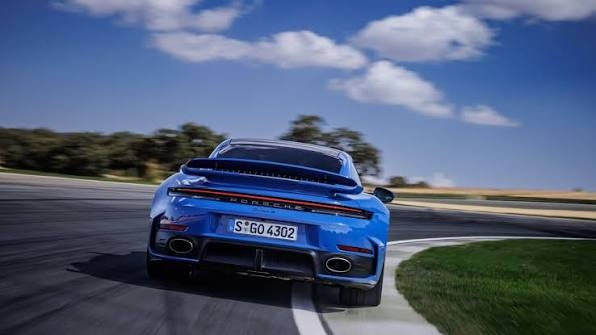
Porsche, notably, never really played along in the same way. Which tracks, honestly. Porsche has always felt like the slightly smug student in the corner who does not join the class agreement because it has already decided the rules are beneath it.
Over time, the whole arrangement started to loosen. Buyers with enough money could order packages that raised the cap. Performance divisions pushed past it more openly. The market shifted. Technology improved. Tire performance got dramatically better. Brakes, aerodynamics, chassis control, stability systems, all of it evolved. Eventually the old 155 ceiling started to feel less like responsibility and more like tradition.
And traditions are easier to ignore when there is profit involved.
That is why modern German performance cars often come with an asterisk. Yes, limited to 155. Unless you get the package. Unless you buy the hotter version. Unless you choose the trim that stops pretending.
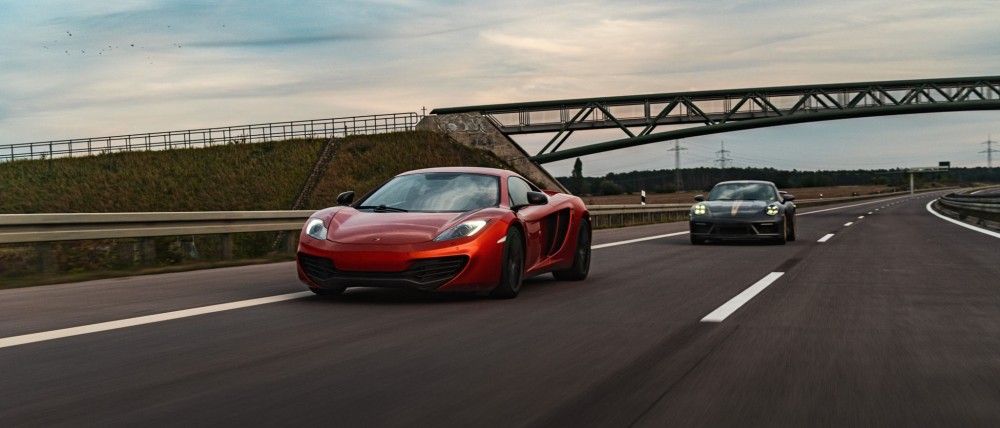
So why did so many German performance cars top out at 155 mph? Because the automakers wanted to protect the Autobahn from politicians, and 155 became the compromise number that let everyone save face. It was never really about what the cars could do. It was about what the industry thought it needed to say.
In that sense, 155 mph was not a technical limit, but a diplomatic one. And like most diplomatic agreements, it held right up until people realized there was money in quietly ignoring it.