
EV Battery Manufacturing Is Dirty. Gas Cars Still Lose Faster Than Most People Think
by AutoExpert | 19 June, 2026
There is a certain kind of anti-EV argument that refuses to die, no matter how many times the numbers bury it.
You have probably heard it. Maybe from a relative, maybe from a Facebook comment section, maybe from someone who says they are “just asking questions” while very clearly hoping the answer is no.
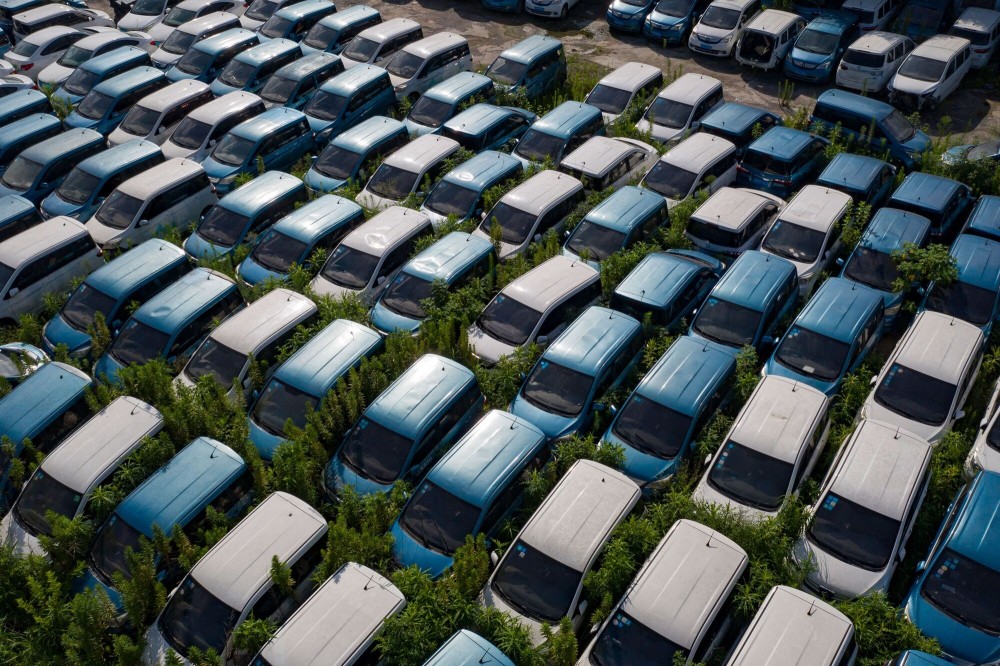
It goes like this: sure, electric cars do not have tailpipes, but look at the battery. Look at the mining. Look at the factories. Look at all the dirty work that has to happen before the thing even rolls onto the road. By the time you count all that, the gas car is supposedly the greener choice anyway.
And at first glance, it sounds plausible. That is why it keeps working on people.
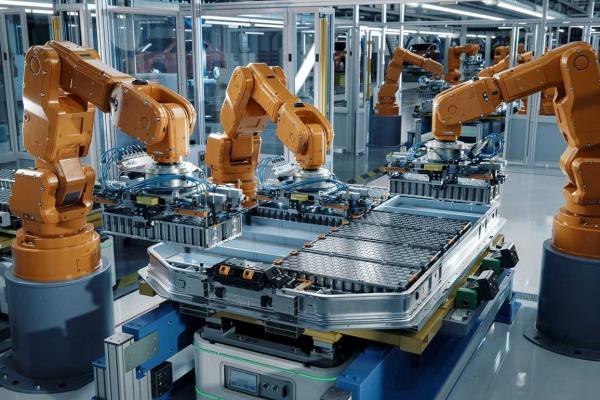
Because yes, battery manufacturing is dirty. It is industrial. It is resource-heavy. Nobody serious is pretending otherwise. Digging materials out of the ground and turning them into huge battery packs is not some clean little fairy-tale process powered by good intentions and wind chimes.
But this is where the argument usually pulls a very convenient trick.
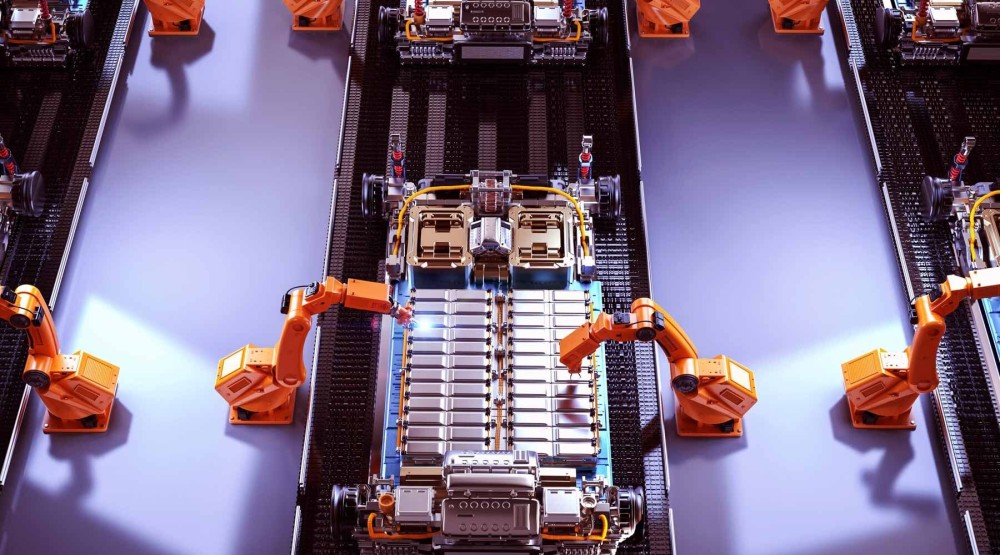
It zooms way in on the ugly part of building an EV, then goes strangely quiet about what happens every single day a gas car exists.
That gas car does not just appear clean because its mess is spread out over time. It burns fuel for years. It keeps burning fuel in traffic, at stoplights, on school runs, on highway trips, on cold starts, on hot afternoons, on all the boring little errands that make up actual driving. That pollution is so familiar people barely see it anymore. It feels normal, which is not the same thing as harmless.
That is the part the battery argument depends on you forgetting.
An EV starts off dirtier. A gas car stays dirtier.
And for most drivers, the EV catches up a lot sooner than the skeptics would like.
Not in some dreamy future where the grid is perfect and every battery is made by forest elves. In the world as it actually is now.
That is what surprises people. They assume the battery creates such a massive environmental debt that it takes forever to pay back. It does not. The payback period is much shorter than the myth makes it sound. Once the EV is on the road and not burning gasoline every day, it starts clawing that difference back surprisingly fast.
That does not mean every EV story is identical. Of course not. A person charging off a dirtier grid is not in the same situation as someone plugging in where the electricity mix is much cleaner. A giant electric truck is not the same environmental proposition as a smaller EV. A lightly driven second car is not the same as a daily commuter that piles on miles.
Real life has variables.
But the broader point still stands: the idea that dirty battery production somehow wipes out the environmental case for EVs is just not holding up.
And frankly, part of the reason it hangs on is emotional. It feels satisfying to say. It sounds like a gotcha. It gives people a reason to wave off change without having to say they just do not like change. “Actually, I heard the battery is worse” has become a very convenient way to sound informed while avoiding the harder conversation.
There is a similar thing that happens around battery lifespan. Critics love talking as if EV batteries are basically disposable, as if owners are all one unlucky Tuesday away from a horrifying replacement bill and a dead car. That fear came from somewhere real, especially in the early days, but a lot of people are still arguing with the ghost of old technology. Modern batteries have held up far better than the culture-war version of the story wants to admit.
That does not mean EVs are flawless. They are not. Charging can still be annoying in some places. Mining still has environmental costs. Battery production still needs to get cleaner. Electricity is not equally clean everywhere. None of that should be sugarcoated.
But pretending gas cars are the environmentally sensible choice because EV batteries are dirty is not honesty. It is cherry-picking.
It is taking the worst-looking part of one technology, putting it under a spotlight, and then politely refusing to follow the other technology home for the next 200,000 miles.
The more honest version is less dramatic and a lot less useful for people trying to score points online.
EVs begin life with a bigger manufacturing hit. Then they spend the rest of their time on the road making that up. In many cases, they make it up faster than people expect. After that, the gap keeps moving in the same direction.
So yes, battery manufacturing is messy. Nobody has to pretend otherwise.
It just is not the fatal flaw people keep trying to turn it into.