

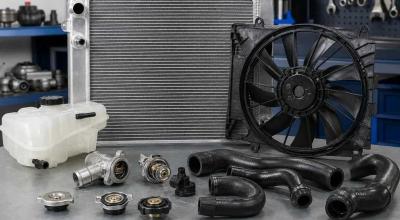
What did Volvo’s PremAir radiator do? Its catalytic coating converted some ground-level ozone in the air passing through the radiator into oxygen. Volvo reported conversion of up to 75% in tests
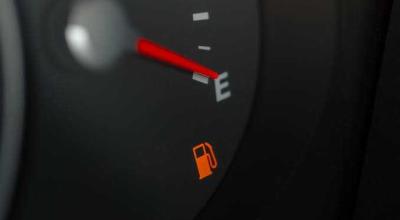
Why does the low-fuel light sometimes come on early? Some vehicles base their warning on estimated driving range, so higher fuel consumption can trigger it with more fuel still in the tank. The warnin
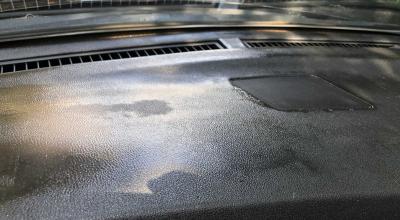
The cloth catches halfway across the dashboard. Instead of lifting the dust, it leaves a few fibers behind, and a fingertip pressed against the surface comes away with the unpleasant impression that s
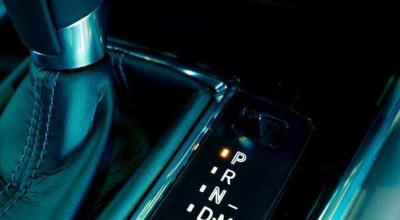
The car has stopped. Your foot is on the brake, the selector says P, and everything feels settled. Then you release the pedal and the car shifts slightly on its wheels. On a slope, that little move
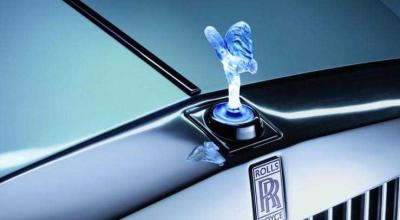
Long before carmakers filled dashboards with screens, an important piece of engine information was displayed outside the windshield. Early automobiles often carried their radiator filler caps at
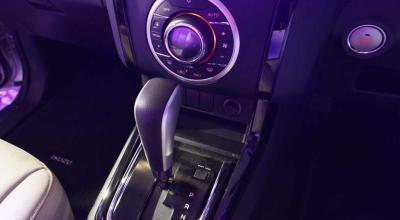
Press the accelerator hard in a conventional automatic car and its behavior follows a familiar rhythm. The engine climbs through the rev range, the transmission changes gear and the engine note drops

A remarkably low odometer reading has a way of making every other detail fade into the background. The paint may be dull, the tires may look suspiciously old and the service book may contain a de
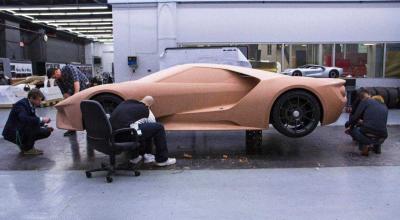
Inside a modern automotive design studio, there are enormous screens, virtual-reality headsets, laser scanners, 3D printers and computers capable of rendering a car so convincingly that its paint appe
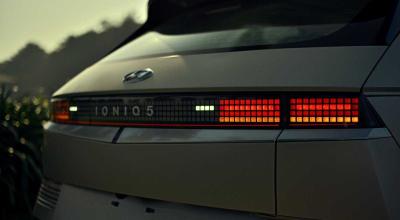
In a conventional car, the relationship between the brake pedal and the brake lights feels reassuringly simple. Press the pedal and the red lamps illuminate. Release it and they go dark. Drivers be
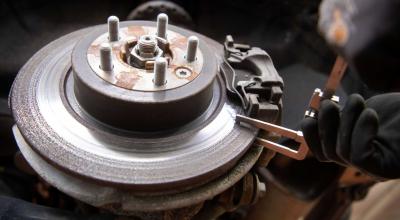
The usual explanation sounds perfectly logical. When a car slows down, its weight moves toward the front. The front tires carry more load, so the front brakes provide more of the stopping force. That