You Put the Car in Park. Why Did It Move When You Lifted Your Foot?
by AutoExpert | 5 October, 2026
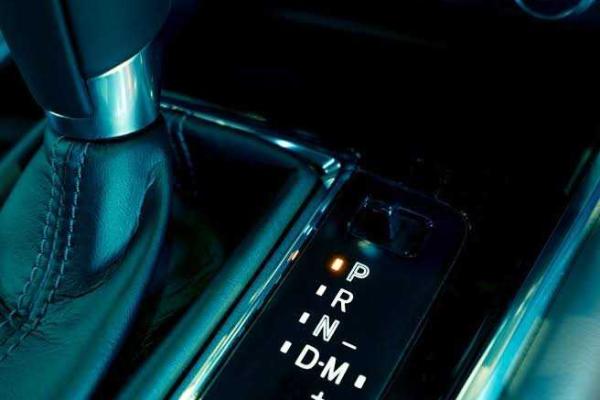
The car has stopped. Your foot is on the brake, the selector says P, and everything feels settled. Then you release the pedal and the car shifts slightly on its wheels.
On a slope, that little movement can feel much larger from the driver’s seat. It can also make Park seem suspiciously ineffective. In many automatic vehicles, though, a small roll is the soundless final part of Park engaging.
Inside the transmission, a component called a parking pawl engages a toothed wheel to stop the drivetrain from turning. When you select Park with your foot still on the brake, the car is stationary, but the pawl may not yet be resting firmly against a tooth. Release the brake and the vehicle can move a little as the parts take up that space. A manufacturer’s manual notes that, without the parking brake applied, a vehicle may move a few centimetres forward or backward after the foot brake is released in Park.
The hill makes the difference noticeable
On level ground, the movement may be so small that you never feel it. Park on a steep driveway and gravity takes up every bit of available slack. You might hear a clunk as the car settles, then find that the selector is reluctant to leave Park when it is time to drive away.
That resistance can happen because the weight of the car is pressing against the parking pawl. Ford describes this as torque lock in an owner’s guide and warns that it can make shifting out of Park difficult when a vehicle has been left on an incline without the parking brake taking the load.
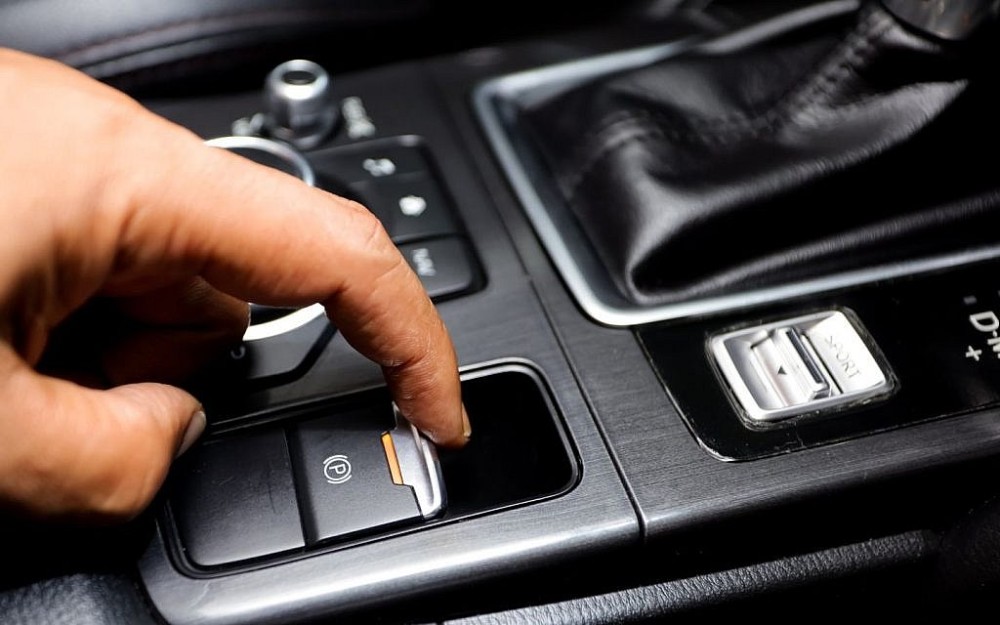
A simple parking habit helps. Come to a complete stop and keep your foot firmly on the brake. Apply the parking brake, select Park, then release the foot brake. Follow your owner’s manual if its sequence or electronic parking-brake operation differs. The aim is to have the brakes hold the car rather than let its weight settle onto the transmission.
There is no need to stage an elaborate routine every time you park outside a shop. What matters is using the parking brake, particularly on an incline, and checking that an electronic brake has actually applied when you expect it to.
How much movement is too much?
A brief shift as you release the brake is one thing. A car that keeps rolling, moves an unexpected distance, or will not stay put on a modest incline needs attention. Keep the foot brake applied, set the parking brake and arrange an inspection before trusting the car to remain parked unattended. The same goes for a parking brake that will not hold or a selector that does not reliably engage Park.
The distinction is easy to miss because both situations begin with movement after you lift your foot. The normal version ends almost immediately. Once the car continues to travel, the small amount of play in a parking mechanism no longer explains what you are seeing.