Your Fuel Light May Come On With More Fuel Left. That Can Be Normal
by AutoExpert | 12 October, 2026
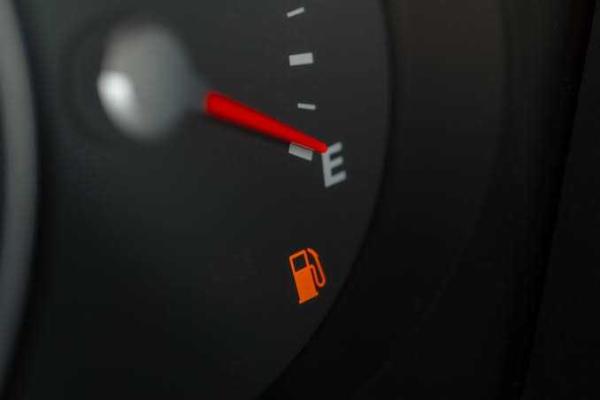
Why does the low-fuel light sometimes come on early? Some vehicles base their warning on estimated driving range, so higher fuel consumption can trigger it with more fuel still in the tank. The warning strategy varies by model. A gauge that stays empty after refuelling needs a different explanation.
You get used to a car’s little habits. The clutch’s bite point, the radio volume needed on a motorway, the place on the fuel gauge where the warning usually appears. After a while, that last one becomes a private agreement between driver and dashboard.
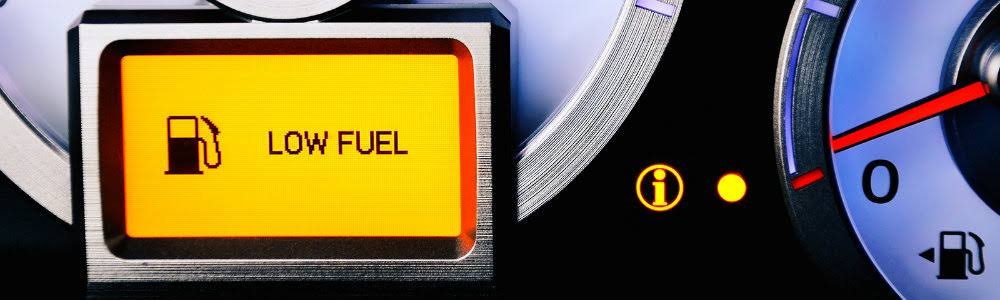
Then the light comes on sooner than expected.
It is easy to blame the gauge, especially when the needle seems higher than usual. But a weekend towing a trailer or a spell of crawling through traffic can change how far the remaining fuel is likely to take you. Some cars take that into account when deciding to ask for more.
Ford provides a particularly clear example in one of its owner’s manuals. For the vehicle described, a warning at an estimated 50 miles remaining can occur at roughly one-eighth of a tank during highway driving, or one-quarter during severe-duty use such as towing and extended idling.
Those fractions are an example from that manual, not a rule for every Ford or every car. They show why a warning can move without the system being faulty.
Fuel level and driving range answer different questions
The gauge estimates how much fuel is in the tank. The range display estimates how much travelling that fuel might buy. A quarter of a tank doesn’t offer the same distance in every situation.
Kia’s distance-to-empty guidance makes the uncertainty explicit: the estimate can vary significantly with driving conditions, driving habits and vehicle condition. It may differ from the distance actually achieved.
That is why a remaining-range figure is a poor basis for a confident promise to your passengers that the next fuel stop can wait. The road ahead may bear little resemblance to the driving that produced the estimate.
If the warning appears earlier after a noticeably thirstier journey, check your manual’s explanation before assuming something has failed. Refuel and pay attention to whether the behaviour returns to normal during familiar driving.
Persistent odd readings deserve more attention. Ford’s manual says a needle still pointing to empty after fuel has been added indicates a need for service. A faulty fuel-level sender is one possible cause of an inaccurate reading. Brief variation on a slope, meanwhile, can be normal.
The useful habit is to treat an unexpected warning as a prompt to refuel, then investigate the pattern. Trying to prove the dashboard wrong by driving farther rarely improves the afternoon.