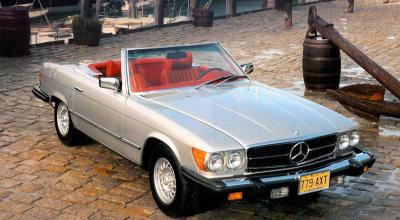

That 15-Year-Old Car Has Only 30,000 Miles. Its Easy Life May Not Have Been Easy

by AutoExpert | 18 September, 2026
A remarkably low odometer reading has a way of making every other detail fade into the background.
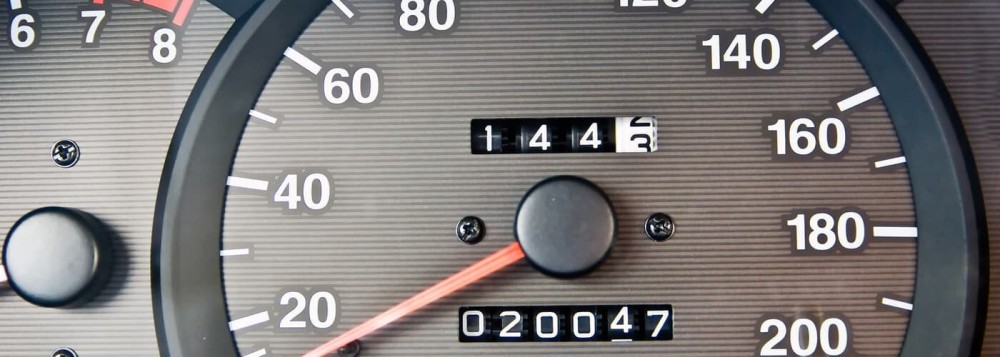
The paint may be dull, the tires may look suspiciously old and the service book may contain a decade-long silence. Still, 30,000 miles on a 15-year-old car sounds irresistible. Surely the engine has barely started living.

Perhaps it has enjoyed long weekend drives, regular servicing and a dry garage. It may genuinely be an exceptional find.
It may also have spent its entire life travelling two miles to a supermarket and two miles home.
Mileage records distance, but it does not record heat cycles, cold starts, months of inactivity or the amount of time an engine spent running without reaching its normal operating temperature. Those details can separate a carefully preserved car from one that simply aged without going very far.
A short journey can be surprisingly demanding
When a cold engine starts, its fluids, clearances and combustion strategy have not yet settled into normal operating conditions. The engine may use a richer fuel mixture, while its oil needs time to circulate and warm.
Water is also present. Moisture forms naturally as the engine cools, and combustion creates additional water vapor. Once the engine and oil become properly hot, much of that moisture can evaporate and leave through the ventilation and exhaust systems.
Repeated short journeys may end before that happens.
A General Motors technical bulletin explains that vehicles regularly driven for less than five miles, particularly in cold weather, may not become hot enough to evaporate condensation from the oil. In the specific vehicles covered by the bulletin, accumulated moisture can even make the dipstick show an unexpectedly high oil level.
Fuel dilution can create another concern in some engines. Small quantities of fuel may reach the crankcase during cold operation. A fully warmed engine can help evaporate volatile contaminants, while an endless routine of brief trips gives them fewer opportunities to leave.
None of this means that a car used for shopping will automatically destroy its engine. It does explain why several manufacturers classify repeated short-distance operation as demanding service, sometimes with different maintenance requirements.
Cold weather makes the pattern harder. The engine takes longer to warm, the cabin heater draws attention away from the fact that the oil may still be cold, and the driver often arrives before the entire system has stabilized.
Low mileage can be hard on more than the engine
Starting a combustion engine requires a substantial burst of electrical energy. Once it is running, the charging system replenishes the battery while also supplying lights, heating, ventilation, heated windows and numerous electronic modules.
A very short journey may not replace everything the starter just used, particularly during winter. Repeat the routine often enough and the battery can spend much of its life partially charged. The RAC has warned that short essential journeys may be insufficient to maintain charge, especially when combined with periods of inactivity.
Exhaust systems suffer their own version of the moisture problem. Water produced by combustion can collect inside a cold exhaust. A longer drive heats the system and helps dry it; short running periods may leave moisture sitting in silencers and pipes, encouraging corrosion from the inside.
Modern diesel cars bring another complication. Their particulate filters periodically need sufficient temperature and driving time to burn accumulated soot. Repeatedly interrupting that process can lead to warning lights or expensive cleaning work. The precise requirements vary by vehicle, which makes the owner’s manual and service history particularly valuable.
Brakes may also have spent long periods developing surface corrosion between journeys. Calipers, parking-brake mechanisms and slide pins can become reluctant through lack of exercise. A car may show thick brake pads simply because one of them has not been moving freely.
Time keeps working while the odometer sleeps
Rubber, fluids and seals do not wait for the mileage counter.
A low-mileage car can still have tires that are old, hardened or cracked. Deep tread is reassuring only until the production dates and sidewalls are examined. A timing belt may have a replacement interval measured in years as well as miles. Brake fluid absorbs moisture over time, while coolant additives and other fluids may have calendar-based service requirements.
Air-conditioning seals can dry, fuel can deteriorate during long storage and rodents occasionally find parked cars more welcoming than their owners would prefer.
Storage conditions make an enormous difference. A car kept in a dry, ventilated garage and driven properly every few weeks has lived a very different life from one parked on damp ground beneath a tree. The odometers could be identical.
This is why a barely used vehicle still needs documented maintenance. An owner who changed fluids according to time, maintained the battery and exercised the car regularly understood the assignment. A folder of dated invoices is far more persuasive than the seller’s solemn assurance that “it never needed anything because it was hardly driven.”
How to examine an unusually low-mileage car
Begin with the service history, paying attention to dates rather than mileage alone. Look for long gaps and check whether time-sensitive work was completed. If the car has a timing belt, confirm the manufacturer’s replacement interval for that exact engine.
Inspect the tire date codes, sidewalls and spaces between the tread blocks. Check the battery’s age and ask whether it has needed repeated jump-starts. Look beneath the vehicle for exhaust corrosion, damp suspension components and evidence that it has been stored on a wet surface.
A cold start can be revealing. Arrange to see the car before the seller warms it, then listen for rattles, hesitation and rough running. Watch the exhaust once the initial condensation clears, and allow the engine to reach operating temperature during the test drive.
The brakes should operate smoothly without pulling, binding or producing persistent grinding noises. Air conditioning, windows, locks, cameras and every electrical feature deserve testing. Lack of use does not make a failed motor or cracked seal less expensive.
A professional pre-purchase inspection remains worthwhile, particularly when the low odometer reading has pushed the asking price above comparable cars. The inspector can look for leaks, stored fault codes, corrosion and evidence that the vehicle’s condition does not match its claimed mileage.
Low mileage is valuable when the history supports it
So, is a low mileage used car better? Often, yes, but the number needs context.
A lightly used car with regular time-based servicing, sensible storage and occasional longer journeys can offer years of excellent service. Less wear on the seats, suspension, transmission and interior controls is genuinely desirable.
A neglected low-mileage car may require tires, fluids, a battery, belts, brakes and seal repairs almost immediately. Meanwhile, a higher-mileage vehicle that accumulated most of its distance on long journeys may have spent more time fully warmed, received more consistent maintenance and developed fewer storage-related problems.
The best used car is rarely the one with the smallest number displayed on its dashboard. It is the one whose condition, records and previous life tell the same believable story.