Your Parked Car Started Whirring Hours Later. It May Be Running a Secret Test
by AutoExpert | 1 August, 2026
A parked car should understand the concept of being parked. The engine is off. The keys are inside the house. The garage has been quiet for hours. Then something beneath the car begins to hum.
It is not particularly loud, but in a silent garage it sounds deeply suspicious. The sort of noise that encourages someone to stand beside the car in slippers, listening carefully and wondering whether machines can develop plans.
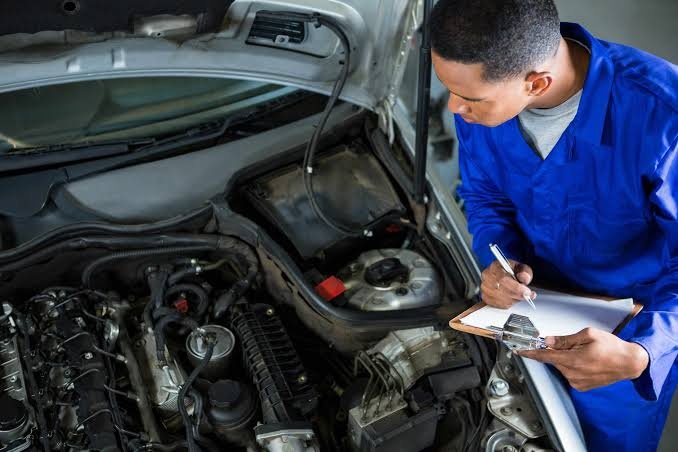
On some vehicles, the explanation is surprisingly ordinary. The car may be checking its fuel-vapor system for leaks.
Gasoline evaporates easily, and those vapors should not simply escape into the atmosphere. Modern evaporative-emissions systems capture them, usually in a charcoal canister, and later route them into the engine to be burned.
That system contains hoses, valves, seals and connections. Even a small leak can allow vapor to escape, so the car periodically checks whether the system can hold pressure or vacuum.
The test does not always happen while the engine is running. Temperature, fuel level and pressure inside the tank all influence the result. Waiting several hours after shutdown can give the system more suitable and stable conditions.
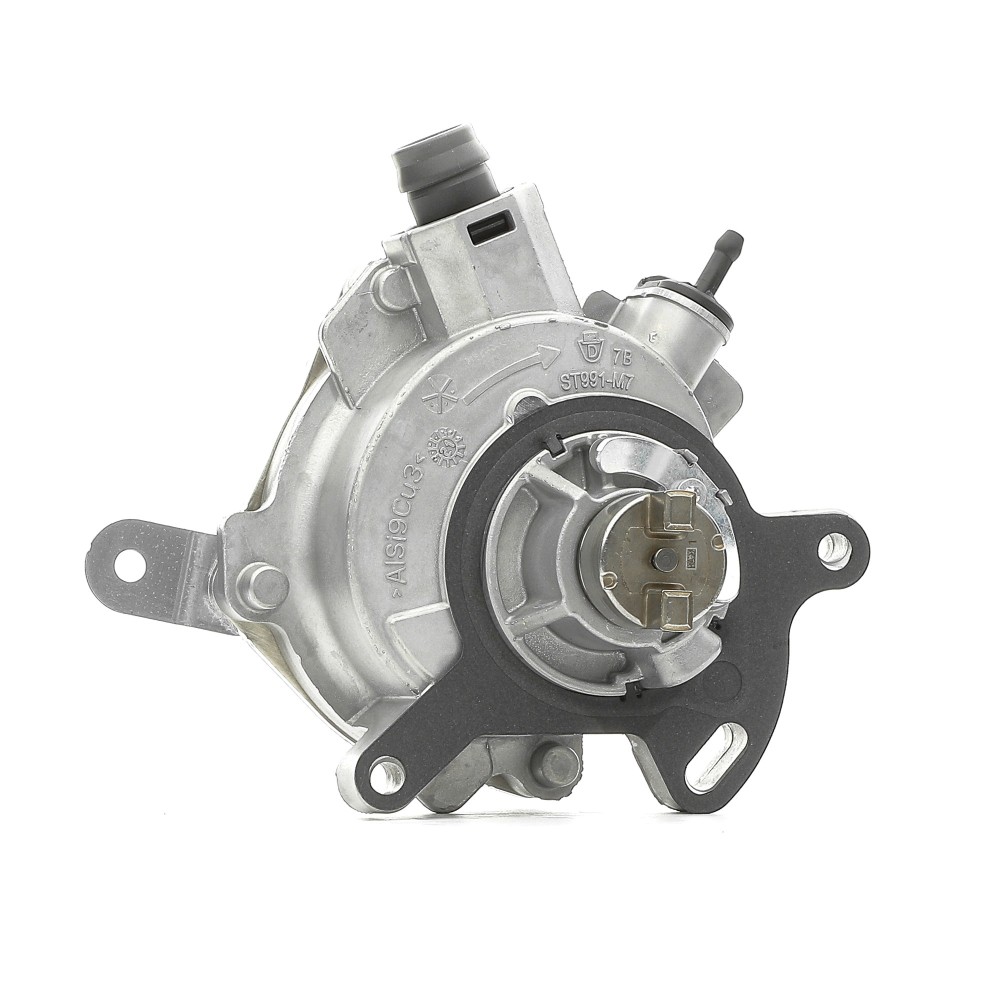
A small electric pump may then run beneath the vehicle. To someone nearby, it can sound like humming, whirring or a faint electric motor operating somewhere around the rear of the car.
Honda has explained that the vacuum pump inside the fuel evaporation leakage check module on certain vehicles may operate for around 15 minutes, roughly five to ten hours after the engine is shut down. The company describes the noise as normal vehicle operation.
Subaru owner’s manuals describe a similar delayed noise from the fuel evaporation leakage checking system. Toyota manuals also warn owners that a sound may come from beneath the vehicle several hours after the engine is turned off.
That timing is what makes the noise so unsettling. A cooling fan running immediately after a hot drive makes intuitive sense. A pump beginning its shift after everyone has gone to bed does not.
The leak check is looking for the kind of fault that may eventually trigger a check-engine light. A loose fuel cap, damaged seal, cracked hose, faulty vent valve or leaking canister can all interfere with the evaporative system.
Capless fuel fillers still have seals and valves, even though there is no traditional cap to tighten.
If the test finds a problem, the driver may see a check-engine light later. The car can usually continue to run normally because an evaporative leak does not necessarily affect how the engine performs. It does, however, mean fuel vapor may be escaping, and the fault should be diagnosed rather than ignored.
Not every noise after shutdown belongs to the evaporative system.
Cooling fans may continue running after a hot journey, particularly after demanding driving or in high ambient temperatures. Those usually begin immediately or shortly after the engine is switched off.
Clicks and light metallic ticks can come from hot exhaust components contracting as they cool. That sound tends to slow and fade naturally.
Some hybrids and electric vehicles run pumps, fans or battery-conditioning equipment while parked. A vehicle plugged into a charger may make noises as temperatures and charging conditions change.
Certain electric brake boosters also wake briefly when a door is opened. In other words, the modern parked car is often less asleep than it looks.
The pattern matters. A modest hum that begins hours after shutdown, runs for a limited time and is specifically described in the owner’s manual is likely normal.
A fan or pump that runs continuously until the battery dies is not. Neither is a harsh grinding noise, repeated relay clicking, smoke, overheating or a strong smell of gasoline.
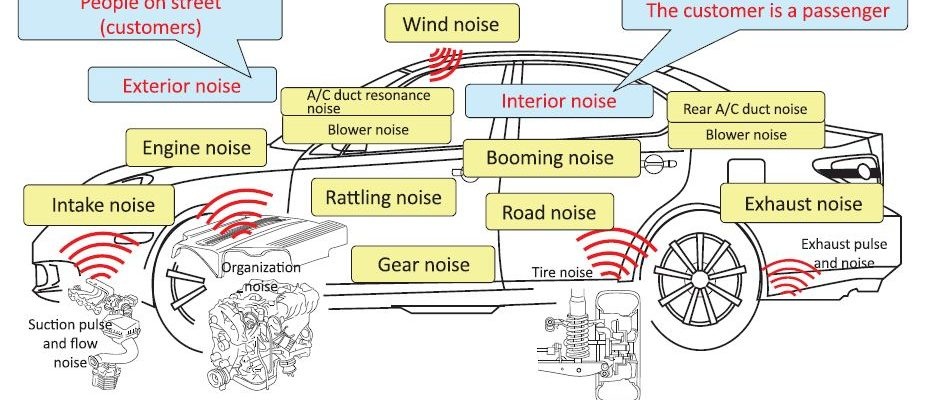
Fuel odor deserves particular attention. Do not dismiss it as part of a normal emissions check, especially in an enclosed garage. Move away from possible ignition sources and have the vehicle inspected.
The owner’s manual may settle the question quickly. Search for “noise from under vehicle,” “after engine shutdown,” “evaporative emissions” or “leakage check.”
If the manual confirms the behavior, the late-night hum is no cause for an emergency visit to the garage.
The car is not trying to leave. It is doing paperwork.