Your Tire-Pressure Light Flashed First, and That Changes the Diagnosis
by AutoExpert | 31 July, 2026
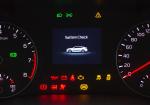
The tire-pressure warning light is not one of the dashboard’s more mysterious creations. It looks like a sagging tire with an exclamation mark inside, which is a fairly direct way of saying, “Something round is unhappy.”
Most drivers see it, add air and expect the matter to end there.
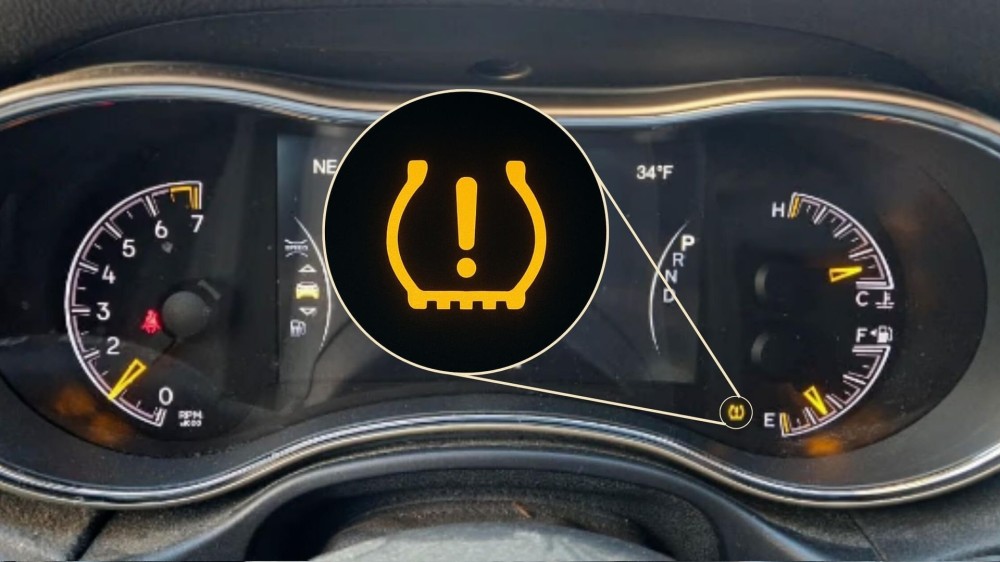
Often, it does. But if the light flashes for about a minute before staying on, the car may be trying to communicate a different problem. It is not necessarily warning about tire pressure. It may be warning that it can no longer monitor tire pressure properly.
That small difference matters.
A steadily illuminated TPMS symbol generally means the system has detected significant underinflation. Cold weather is a common trigger because tire pressure falls as temperature drops. A slow puncture, leaking valve, damaged wheel or months of ordinary air loss can produce the same warning.
The correct response is to check all the tires with a pressure gauge when they are cold and inflate them according to the label on the driver’s doorjamb. The large number molded into the tire’s sidewall is not the recommended everyday pressure. It is a maximum figure associated with the tire, not the setting chosen for that particular car.
A warning light that flashes first is telling another story.
NHTSA explains that a TPMS malfunction may be indicated by the symbol flashing for 60 to 90 seconds and then remaining illuminated. The sequence usually repeats at later startups until the fault is corrected.
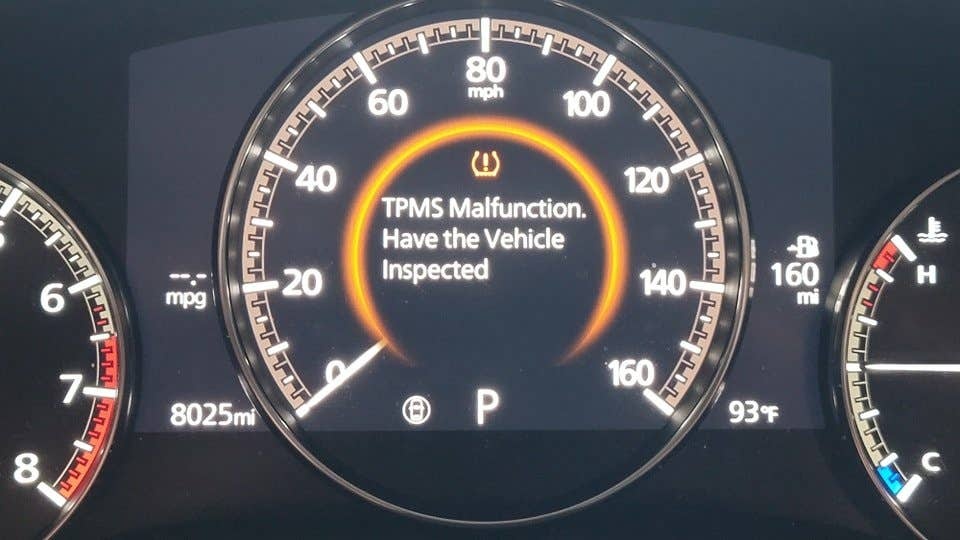
In plain language, the car has stopped hearing from part of the system.
On vehicles with pressure sensors inside the wheels, a sensor battery may have reached the end of its life. These batteries are usually sealed inside the sensor, so replacing one often means replacing the sensor assembly rather than opening it and fitting a coin cell.
The timing can make this particularly confusing. A driver buys four new tires, leaves the shop and sees the TPMS light begin flashing shortly afterward. The tires are new, the pressures are correct and yet the dashboard is suddenly displeased.
A sensor may have been damaged during tire installation. The vehicle may need a relearn procedure so it can recognize the sensors again. Replacement wheels may not contain compatible sensors at all. A winter wheel set may use a second group of sensor IDs that the car has not learned.
The compact spare can also be involved. Some cars cannot receive pressure information from the temporary spare, so fitting it after a puncture may produce a flashing warning even when the spare is correctly inflated. Honda specifically lists a compact spare and a TPMS fault among the reasons its indicator may blink before remaining on.
Not every car uses sensors inside the wheels. Some indirect systems estimate pressure loss by comparing wheel-speed data from the anti-lock braking system. These often require calibration after pressures are corrected, tires are rotated or wheels are replaced.
That is why randomly pressing a TPMS reset button is not a universal fix. On an indirect system, resetting at the wrong pressure can teach the car that the wrong pressure is normal. On a direct system with a failed sensor, reset attempts will not revive a dead battery.
A flashing light does not give the tires a clean bill of health, either. If the monitoring system has malfunctioned, it may no longer be capable of warning about an actual low tire. The pressures still need to be checked manually.
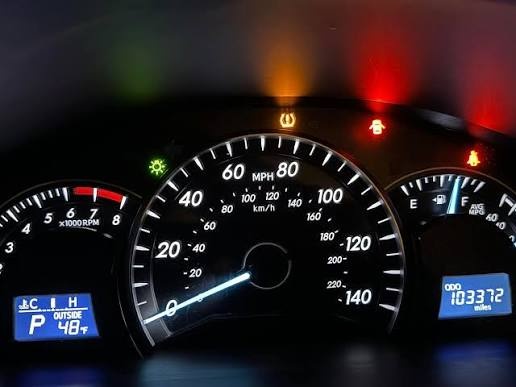
The distinction becomes simple once it is noticed: A light that comes on and stays on usually says, “Check the tires.”
A light that flashes for roughly a minute and then stays on usually says, “Check the system, and check the tires yourself because the system may not be watching them.”
That second message is longer, which may explain why the dashboard resorts to blinking.