Stop-Start Worked Yesterday but Refuses Today. Your Car May Know Something You Do Not
by AutoExpert | 1 August, 2026
Automatic stop-start has a peculiar talent for irritating drivers both when it works and when it does not.
At one traffic light, the engine shuts down the moment the car stops. At the next, it keeps idling. Nothing has been switched off, no warning has appeared and the same system that was so eager to save fuel five minutes ago has apparently changed its mind.
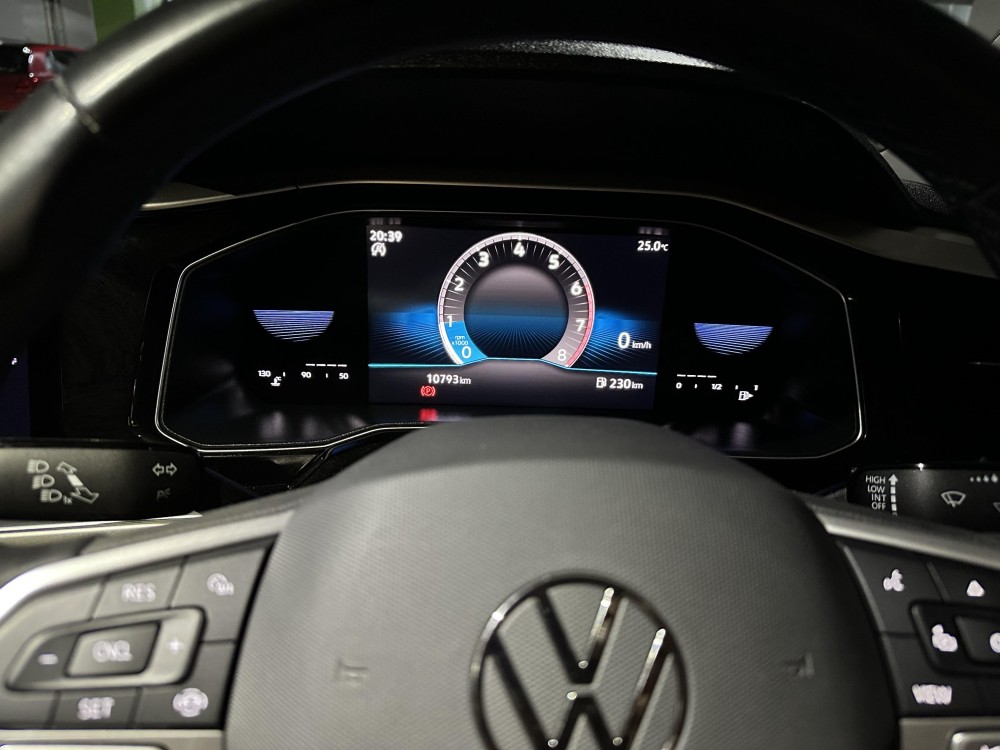
That inconsistency is often deliberate. Stop-start is not a simple timer waiting for the vehicle to reach zero. Before shutting down the engine, the car checks whether it can do so without compromising the next restart, cabin comfort, visibility or the operation of other systems.
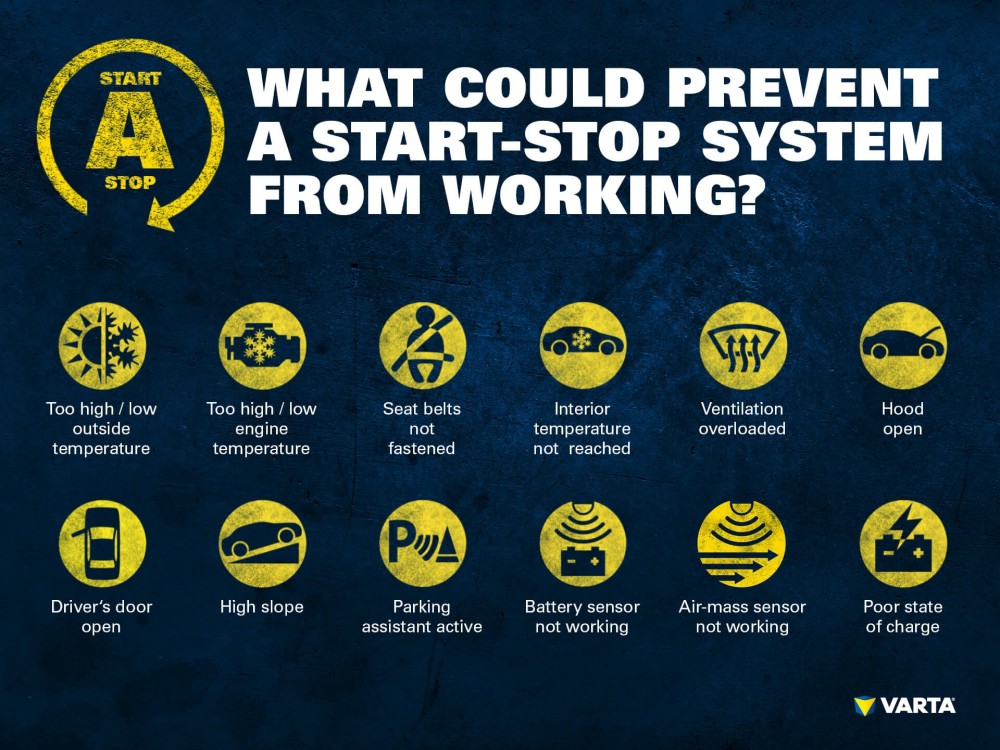
If one of those conditions is not right, the engine stays on. Battery charge is near the top of the list. Restarting an engine repeatedly demands more from the low-voltage electrical system than starting it once at the beginning of a journey. If the car estimates that the battery does not have a comfortable reserve, it may suspend stop-start rather than risk leaving the engine unable to restart.
This can happen after the vehicle has been parked for a while, after numerous short journeys or while electrical equipment is working hard. Heated seats, window defrosters, lights, blowers and other accessories all want their share of the available power.
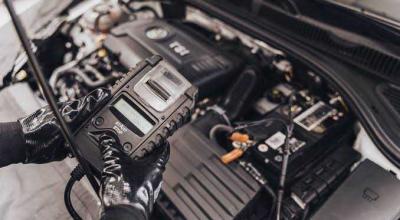
A battery can also start the engine normally every morning yet be weak enough for stop-start to become cautious. That makes frequent stop-start unavailability one possible early clue of battery aging, although it is not a diagnosis by itself.
Climate control is another regular suspect. On a hot day, the air conditioner may need the engine running to cool the cabin. On a freezing morning, the heater may need continued engine heat. If the windshield is being defogged, the car may prioritize clear glass over a few seconds of reduced fuel consumption.
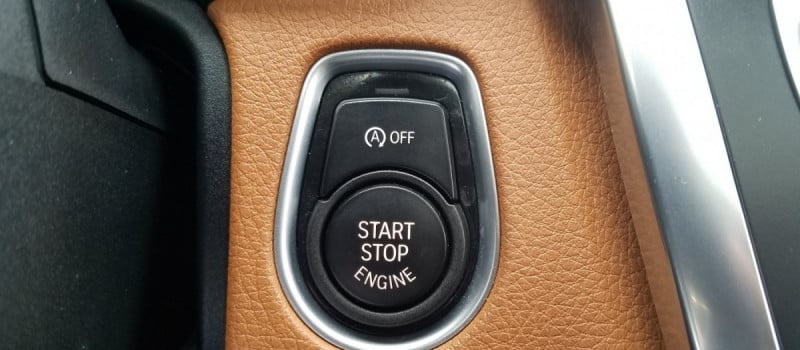
The temperature selected inside matters too. Set the climate control to its coldest or hottest position and the engine may keep running because the requested cabin temperature leaves little room for compromise.
Ford says its Auto Start-Stop system may remain inactive while the battery is charging, the engine is warming up or the heating and air-conditioning systems are in use.
The car may also watch what the driver is doing. Turn the steering wheel while stopped and some systems restart the engine or prevent it from shutting down. The steering assistance needs power, and the movement may suggest that the driver is preparing to maneuver.
A steep incline can change the decision. So can repeated creeping in heavy traffic, a sudden stop, an open hood, a seat belt being released or selecting certain drive modes. The exact rules vary substantially between models.
Honda manuals list conditions including low battery charge, extreme temperatures, high climate-control demand, steering input and certain terrain modes. Some systems may also restart the engine while the brake pedal is still depressed if cabin humidity rises or the battery charge falls.
This explains the familiar traffic-light surprise. The engine shuts down as expected, then starts again before the driver has moved a foot. It may be protecting battery charge, restoring cabin temperature or supporting the defroster. The car has not become impatient with the red light.
When should the lack of stop-start raise concern?
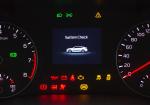
If the system has become unavailable on every journey, even after a long drive in mild weather with modest climate settings, the battery is worth testing. A dashboard message or warning symbol may point more directly toward a system fault.
Recent battery replacement can be relevant too. Some vehicles require the correct AGM or EFB battery type, along with a battery-management reset or registration procedure. Fitting an unsuitable battery may leave stop-start disabled even though the engine starts normally.
The owner’s manual may show the reason for temporary unavailability in the instrument display. Unfortunately, explanations such as “conditions not met” have all the conversational warmth of a parking ticket, but they do not necessarily mean anything has failed.
Stop-start is constantly deciding whether shutting the engine down is worth the trouble. Sometimes fuel saving wins. Sometimes the battery, heater, air conditioner or steering system gets the deciding vote.