Your Brake Lights Will Not Turn Off, and the Clue May Be Lying on the Floor
by AutoExpert | 3 August, 2026
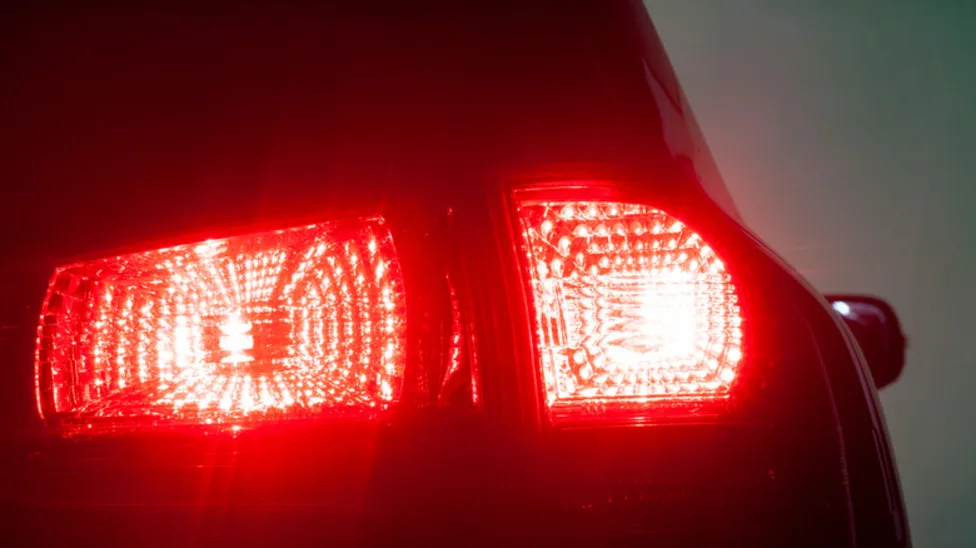
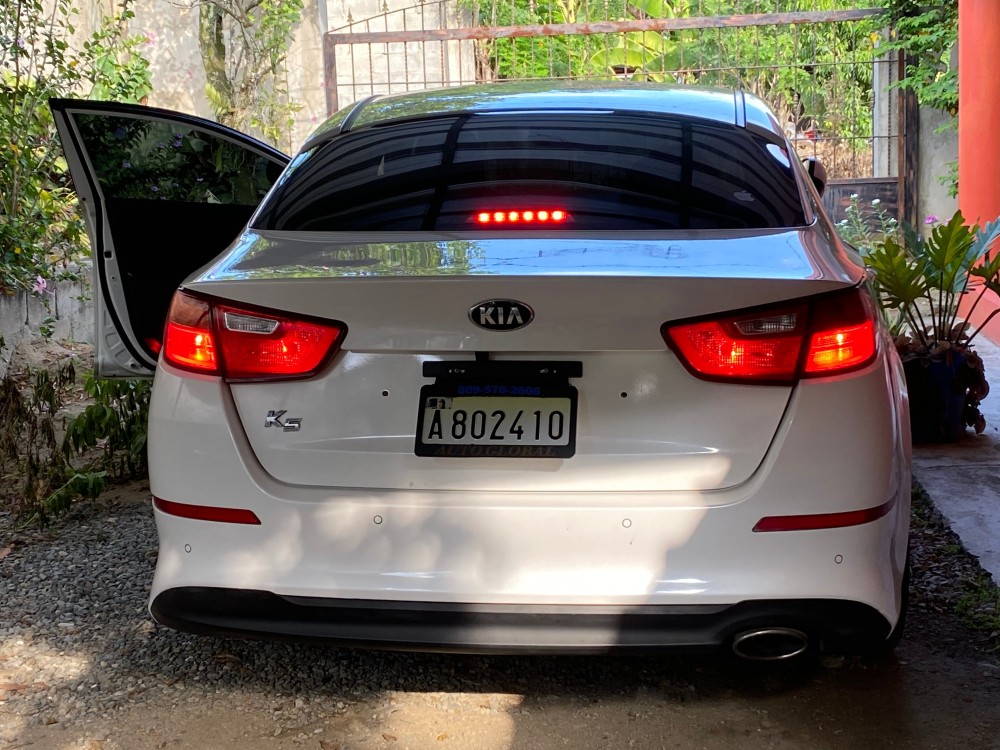
A car sits empty in the driveway, engine off and doors locked, yet all three brake lights are glowing as though an invisible driver has a foot planted on the pedal. It looks like a wiring problem. Possibly an expensive one.
Before imagining melted harnesses and a dashboard scattered across a workshop floor, look beneath the brake pedal. If a few tiny pieces of brittle plastic are resting on the carpet, they may have solved the mystery.
Brake lights are commonly controlled by a switch mounted near the top of the pedal arm. The arrangement feels backward until it is seen in action.
When the brake pedal is released, a stopper on the pedal presses against the switch plunger and keeps the brake lights off. Press the pedal and the arm moves away. The plunger extends, the circuit changes state and the brake lights illuminate.
On some vehicles, the contact point is a small plastic or rubber pad fitted into the pedal arm. Age, heat and thousands of pedal movements can make it hard and brittle. Eventually, it cracks or falls out.
The pedal returns normally, but there is now an empty hole where the stopper used to be. Nothing presses the switch plunger. Electrically, the car behaves as if the brake pedal is still down.
The resulting symptom is difficult to miss once someone walks behind the vehicle. The problem is that many drivers park facing a wall, close the garage and never see the lights.
The first sign may be a dead battery the following morning. Three brake lamps can consume enough power to flatten an aging battery after hours of continuous operation. LED brake lights use less energy than traditional bulbs, but leaving control modules awake can add to the drain.
The safety issue is more serious than the battery. A car driven with its brake lights constantly illuminated cannot clearly tell following traffic when it is actually slowing. The message has become permanently stuck on “braking,” so the moment that matters disappears into the background.
As per NHTSA's KIA recall notice, a failed stopper can affect more than the lamps. Brake-pedal information may also be used by the shift interlock, cruise control, stability systems and engine-management functions. On certain recalled Kia vehicles, a deteriorated stopper could leave the brake lights continuously illuminated and allow the shifter to leave Park without the pedal being pressed.
This is not a universal diagnosis. Brake lights can remain on because the switch itself has failed, moved out of adjustment or developed an internal electrical fault. Wiring damage, water intrusion and control-module problems are also possible.
Some cars use more complex electronic pedal sensors rather than the simple switch-and-stopper arrangement found on many older models.
Still, the tiny pad is worth checking because the evidence can be sitting in plain sight. Pieces may resemble a broken plastic button, washer or small crumbs near the pedal.
A helper can watch the rear lights while the pedal is gently lifted upward by hand. If the lights switch off when the pedal is raised slightly, switch adjustment or pedal free play may be involved. Keep the vehicle securely parked with the parking brake applied during any inspection around the pedals.
The tempting roadside solution is to push a coin, bolt or improvised piece of plastic into the empty hole. That may turn the lights off temporarily, but it is not a reliable permanent repair. An object that falls out can recreate the problem without warning. One that is too thick may prevent the brake lights from coming on promptly.
The correct stopper is inexpensive on many vehicles, but fit and adjustment matter. After repair, the lights should illuminate with normal pedal movement and switch off completely when the pedal returns.
It is also worth checking the vehicle identification number for open recalls. Hyundai, Kia and other manufacturers have issued recalls or technical guidance involving brake switches and pedal stopper pads on particular models. Recall eligibility depends on the exact vehicle, not simply the badge on the trunk.
Do not remove the brake-light fuse and continue driving. That solves the battery drain by creating a much more dangerous problem: no brake lights at all.
Until the fault is repaired, avoid driving the vehicle. Arrange proper diagnosis, particularly if the shifter, cruise control or other brake-related functions are behaving strangely.
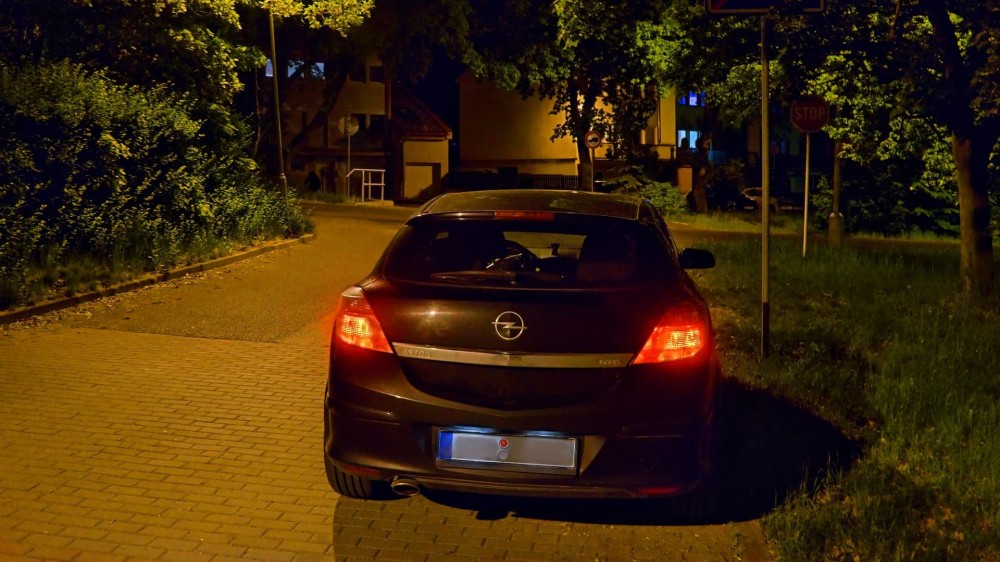
The cause may be a switch, a wire or a control module. Sometimes, though, the entire mystery comes down to a plastic pad smaller than a coin.
Cars have a sense of humor about scale. The tiniest part often creates the brightest warning.