Your Tire Pressure Rose on the Highway. Put the Gauge Down Before Letting Air Out
by AutoExpert | 24 July, 2026
The sticker inside the driver’s door says 35 PSI. After an hour on the highway, the dashboard says 39. Four extra pounds of pressure sounds like a problem. The tires were set correctly that morning, so the obvious response seems to be pulling into a fuel station and letting some air out.
That would make the number look right again. It could also leave the tires underinflated by the following morning. The pressure printed on the door-jamb label is normally a cold-tire figure. It assumes the car has been parked long enough for the tires to settle near the surrounding temperature, not that it has just spent 60 miles flexing against hot pavement.
Tires warm themselves as they work
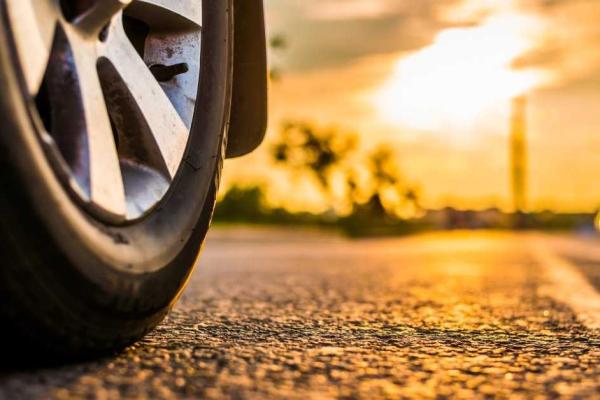
A tire does not roll as a perfectly rigid circle. Its sidewall and tread flex whenever the contact patch meets the road. That movement generates heat. Sunshine, warm asphalt, speed, vehicle load and braking can add more.
As the tire and the air inside it become warmer, pressure rises. A gain of several PSI during a normal drive is expected. The engineers who specified the cold pressure already accounted for it.
Goodyear explains that tire pressure normally increases as the tires heat up and specifically warns against bleeding air from hot tires. Once the car is parked and everything cools, the reading falls again.
Releasing air while the tires are warm interrupts that cycle. A tire adjusted from 39 PSI back down to 35 while hot may settle well below 35 after sitting overnight.
That can bring poorer fuel economy, less precise steering, increased heat buildup and faster wear along the outer shoulders of the tread. Underinflation also makes the sidewall work harder, which is exactly the opposite of what the well-intentioned pressure adjustment was supposed to achieve.
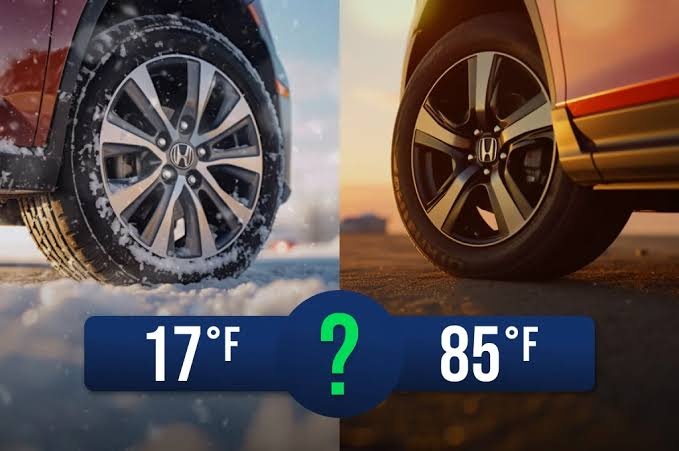
“Cold” does not mean winter cold
A cold tire is simply one that has not been warmed significantly by driving. Checking first thing in the morning is ideal, provided the car has been sitting for several hours.
Driving slowly for a very short distance to reach an air pump may not change the reading much, but a highway journey certainly will. Parking in direct summer sunlight can also warm the tires unevenly. The sunny side of the car may show a slightly higher number than the shaded side even before the wheels begin moving.
Use the pressure listed on the vehicle placard, usually found inside the driver’s door or door frame. The large number molded into the tire sidewall is not the everyday recommendation for the car. It identifies a pressure associated with the tire’s rated load, not the setting chosen by the vehicle manufacturer for ride, handling and weight distribution.
Front and rear pressures may differ, so read the entire label rather than assuming all four tires need the same number.
What if the pressure must be checked during a trip?
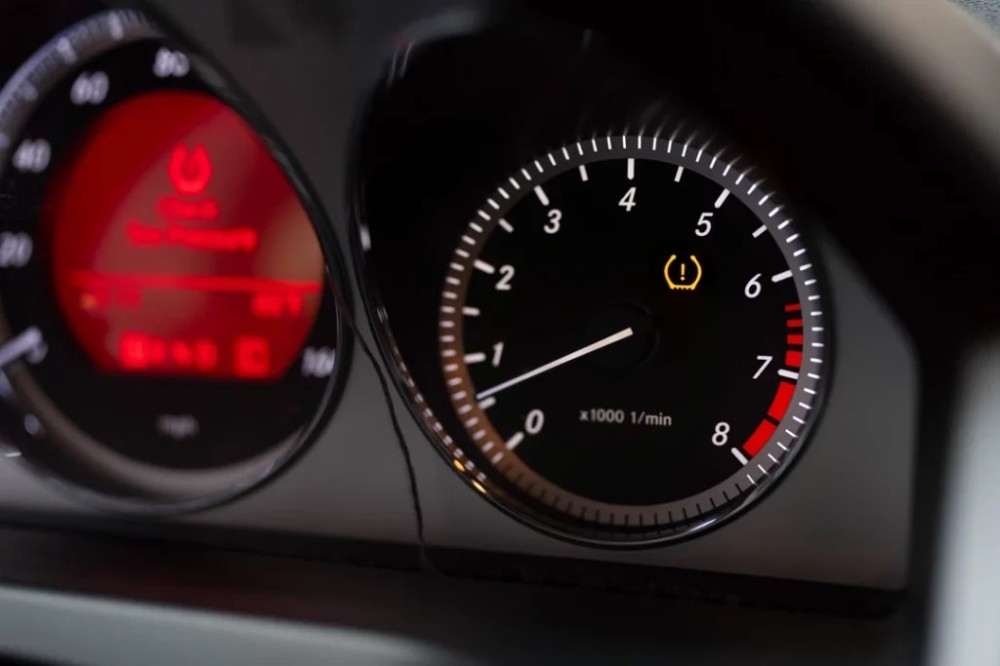
Sometimes a cold check is not possible. A warning appears on the highway, a tire looks low or a service-station gauge is the only one available.
If a warm tire is below the recommended cold pressure, it is genuinely low. Add air rather than waiting for it to cool further. Then check it again when the car has been parked for several hours and make the final adjustment from there.
What should not happen is deliberately releasing air from a healthy warm tire simply because its pressure has climbed above the cold specification.
A large difference between tires deserves investigation. If three tires have risen from 35 to 39 PSI but one remains at 34, that tire may have started low or may be leaking. Recheck it cold, inspect for a puncture and do not assume the odd reading is merely temperature.
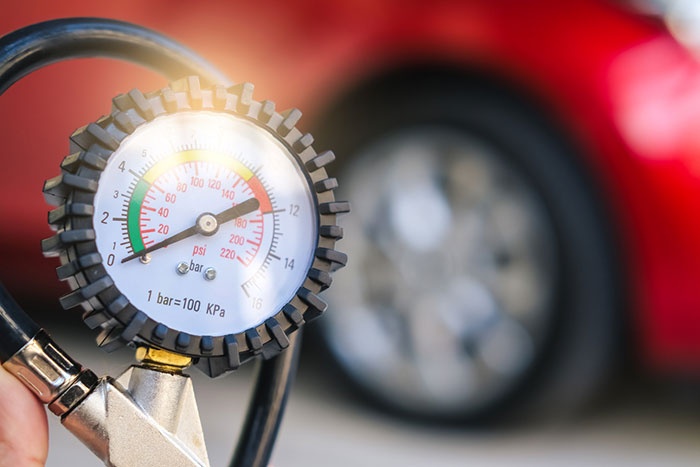
The same applies when pressure climbs far more than expected in one corner. Excessive load, a dragging brake or another mechanical problem can create unusual heat.
Temperature changes between seasons matter as well. Goodyear notes that colder weather can lower pressure while hot conditions can temporarily raise it. That is why a properly inflated tire can trigger a warning on the first genuinely cold morning of fall.
Set the pressure when the tires are cold. Expect the number to rise on the road. The dashboard is showing what warm tires do, not asking for an immediate roadside correction.