The Best Oil Filters: Top Brands for Your Car Engine
by AutoExpert | 12 September, 2025
Some things are better without filters – like unfiltered conversations with friends or those classic rock albums that sound too polished when remastered. But car engines? They absolutely need proper filtration to survive.
For comparison purposes, these recommendations focus on a common test case: a ten-year-old Honda Civic. It's the kind of practical daily driver that most people actually own, not the garage queen everyone dreams about.
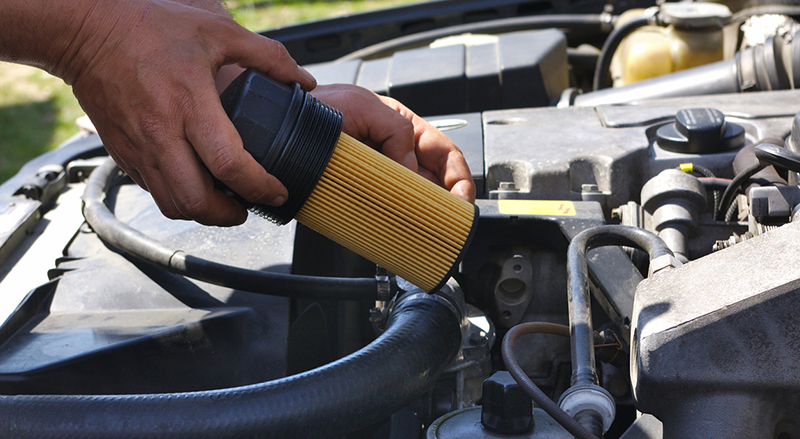
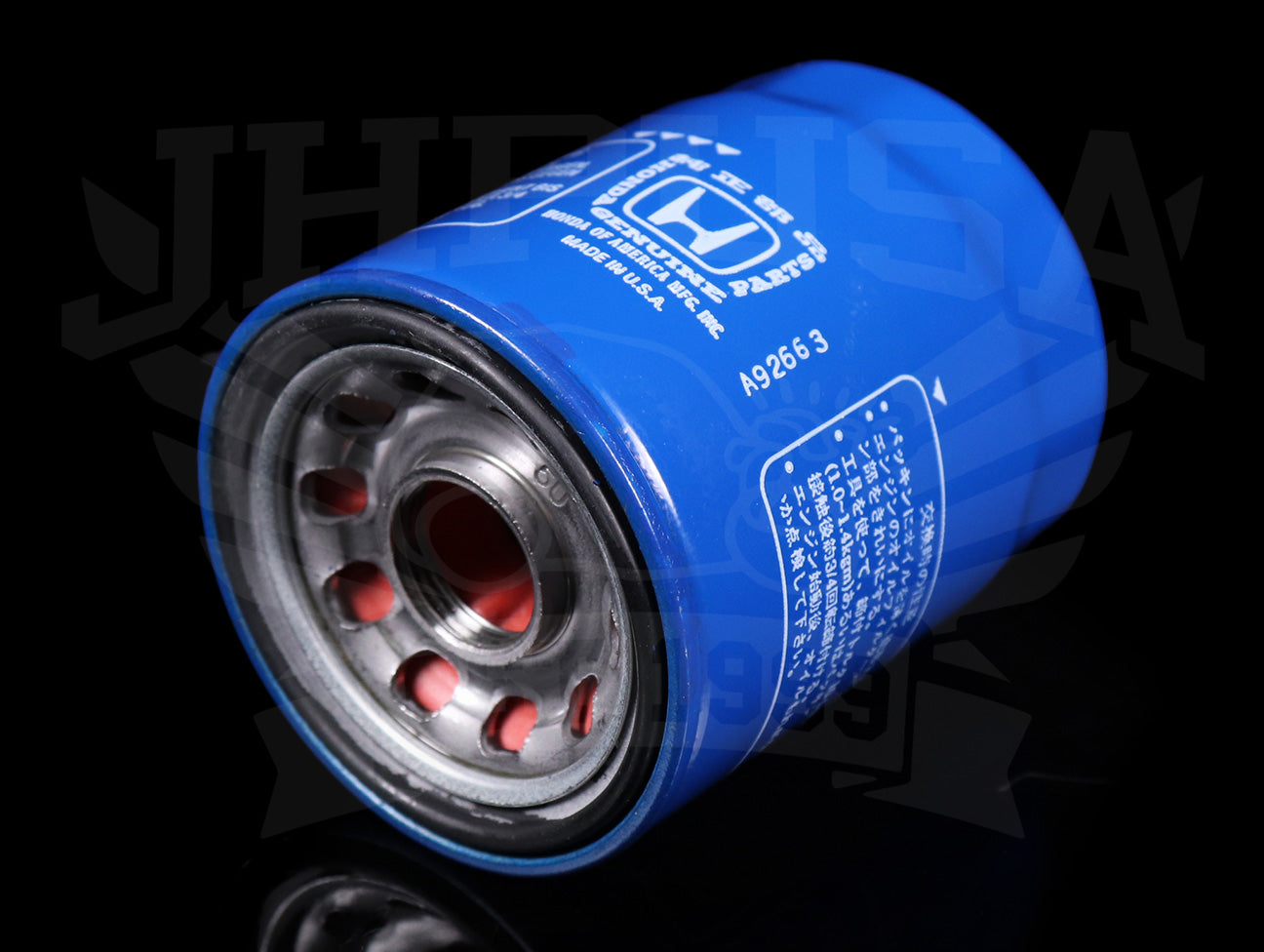
1. Genuine Honda Oil Filter
Honda's old service department slogan was "Don't open your hood to strangers" – a line that definitely wouldn't fly today but still makes a solid point. The company that built the car probably knows what parts work best.
Sticking with OEM parts makes sense even after warranty expires. When shopping for a used car, wouldn't all-Honda replacement parts inspire more confidence than a mix of random bargain brands? Most customers give this filter 4.8 out of 5 stars, though some question authenticity from third-party sellers.
- Pros: Genuine OEM quality, stellar reviews
- Cons: Double-check those part numbers
- Bottom Line: Trust the original engineers
2. FRAM Extra Guard Oil Filter
From genuine Honda to the king of aftermarket filters. FRAM sits on every auto parts store shelf in America, usually priced under $4 – less than most people's morning coffee.
Sure, FRAM gets plenty of criticism online, but plenty of mechanics have used them reliably for decades. That grippy texture on the bottom actually works for removal, and the bright orange paint makes it impossible to miss during inspections.
- Pros: Dirt cheap and widely available
- Cons: That orange paint screams "budget option"
- Bottom Line: Hard to argue with the price

3. Purolator ONE Advanced Engine Protection Filter
Purolator offers several tiers, and this ONE sits in the middle of their lineup. The company claims their silicone anti-drain-back valve outlasts traditional nitrile versions, preventing dry starts and oil leaks.
They also tout metal end caps for long-term durability – possibly a not-so-subtle dig at competitors using cheaper materials. Customer feedback mentions occasional gasket issues but generally positive performance.
- Pros: 10,000-mile rating, solid engineering claims
- Cons: Some gasket complaints
- Bottom Line: Middle-tier performance at reasonable cost

4. Royal Purple Oil Filter
Royal Purple built their reputation on premium synthetic oils, and their filters follow suit. Coated in signature purple paint, these filters claim 15,000-mile service intervals when paired with full synthetic oil.
For the detail-oriented, they advertise 99% filtration efficiency at 25 microns or larger with synthetic oil. It's the kind of upgrade that satisfies both performance enthusiasts and anyone who wants maximum protection.
- Pros: Premium brand recognition, extended intervals
- Cons: Higher price reflects the premium positioning
- Bottom Line: Quality costs more, but delivers

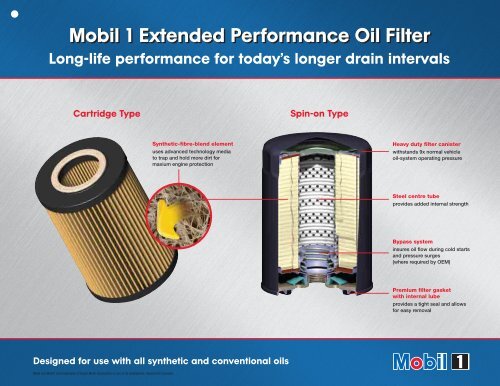
5. Mobil 1 Extended Performance Oil Filter
Mobil 1 sponsors everything from NASCAR to Formula 1, which either impresses or annoys depending on racing loyalties. Brand allegiances aside, they've earned their reputation in engine protection.
This mid-grade filter from their lineup promises extended performance, though Amazon's compatibility tool sometimes gets part numbers wrong. Double-check fitment before ordering.
- Pros: Trusted brand with racing pedigree
- Cons: Verify compatibility carefully
- Bottom Line: Reliable choice from proven experts

6. EcoGuard Synthetic+ Oil Filter
The green packaging and "eco" branding suggests environmental friendliness, though the actual eco-benefits aren't clearly explained. Marketing claims aside, it's designed for extended synthetic oil change intervals.
EcoGuard promises twice the filtration capacity of conventional filters and 10,000-mile performance. They join the metal end cap club, following industry trends toward more durable construction.
- Pros: Decent price, synthetic oil compatibility
- Cons: Lesser-known brand
- Bottom Line: Good value for synthetic oil users

7. Pennzoil Regular Spin-On Oil Filter
If oil filters had a "most traditional design" award, Pennzoil would win easily. No flashy colors or marketing gimmicks – just the brand name, part number, and basic yellow/black graphics.
Despite the plain appearance, Pennzoil claims 97% efficiency or higher at filtering particles above 20 microns, plus larger filtering area and advanced media for additional capacity.
- Pros: No-nonsense approach, solid specs
- Cons: Price isn't as budget-friendly as before
- Bottom Line: Straightforward performance without the hype

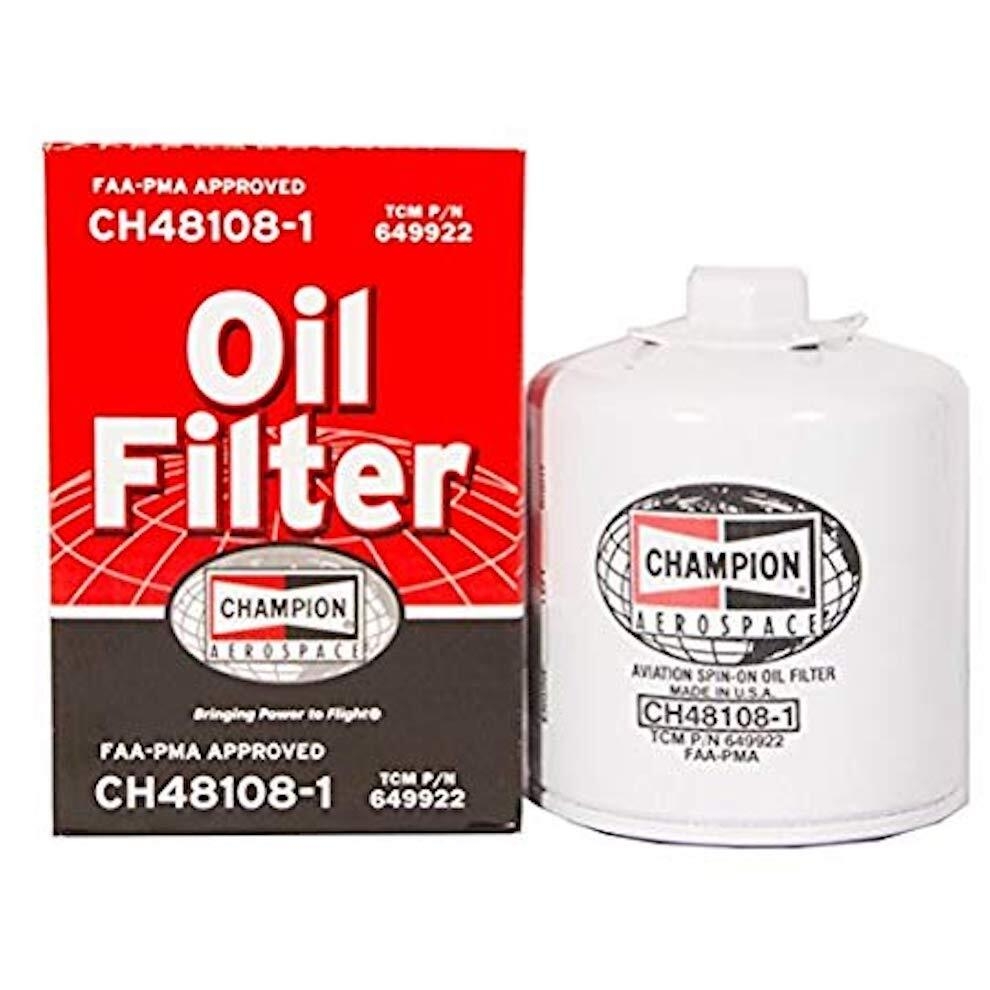
8. Champion Spin-On Oil Filter
Champion expanded beyond spark plugs into oil filters, claiming compatibility with OE-recommended 12,000-mile intervals when used with synthetic oil. Their high-strength filter media supposedly handles harsh conditions and extended changes.
Limited customer reviews make this one harder to evaluate, but existing feedback is overwhelmingly positive. Sometimes the underdog performs better than expected.
- Pros: Long service life, synthetic-friendly
- Cons: Few customer reviews for confidence
- Bottom Line: Promising specs, limited real-world data
What Makes a Good Oil Filter?
Brand loyalty aside, several factors separate quality filters from shelf-fillers. Filtration efficiency matters most – look for 95%+ efficiency at 20-25 microns. Construction quality affects longevity, with metal end caps generally outlasting cheaper alternatives.
Service interval capability varies widely. Budget filters work fine for standard 3,000-5,000 mile changes, while premium options handle 10,000+ miles with synthetic oil. Match the filter to the oil and driving conditions.
Top Performers by Efficiency
Independent testing shows these filters leading efficiency ratings:
- Mobil 1: Claims 99.6% filtration efficiency
- FRAM Ultra Synthetic: Over 99% efficiency
- Bosch Premium FILTECH: Up to 99% efficiency
So How Do You Choose?
Oil filter choice depends on budget, brand preference, and maintenance schedule. OEM filters offer peace of mind but cost more. Budget options like FRAM work fine for frequent changes. Premium filters justify higher prices with extended intervals and superior filtration.
Whatever the choice, changing filters regularly matters more than brand wars. A $3 filter changed on time beats a $15 premium filter that's overdue.