Your Parking Sensors Are Screaming at Empty Air. Check the Bumper Before Paying for Repairs
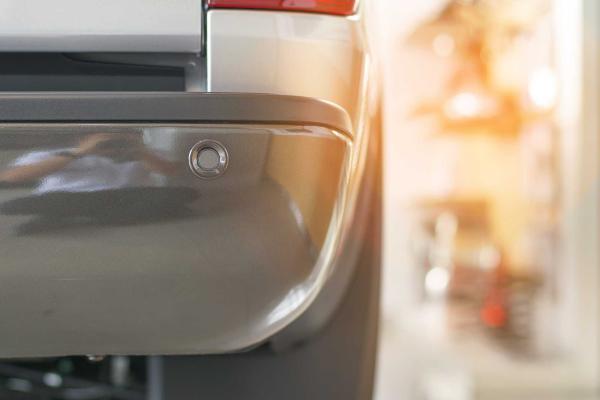
by AutoExpert | 3 August, 2026
There is nothing behind the car. No wall, no shopping cart, no decorative boulder placed by a landscape designer with a grudge.
Still, the moment Reverse is selected, the parking sensors erupt. The beeps become faster, then turn into one continuous electronic shriek. According to the dashboard, the rear bumper is moments away from an impact with absolutely nothing.
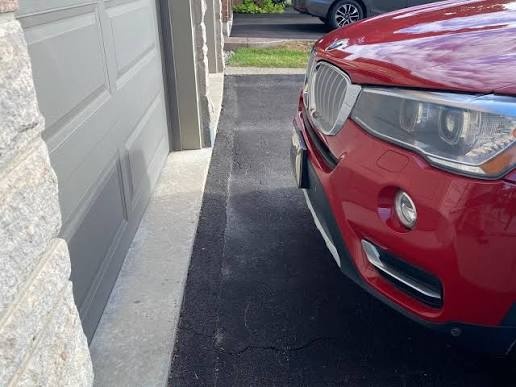
Before assuming that an expensive control module has failed, get out and look at the bumper. The cause may be sitting directly on one of those small circular sensors.
Parking sensors do not see the world
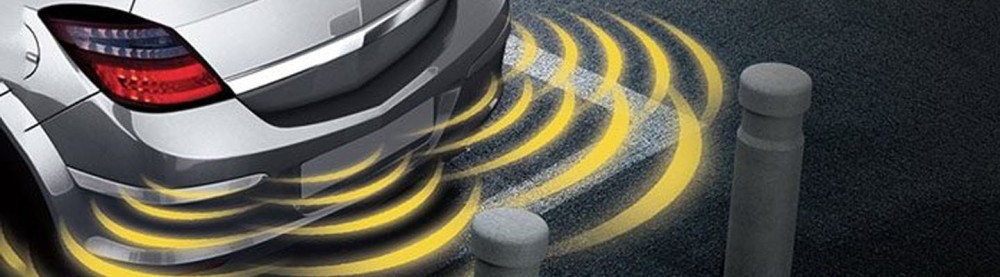
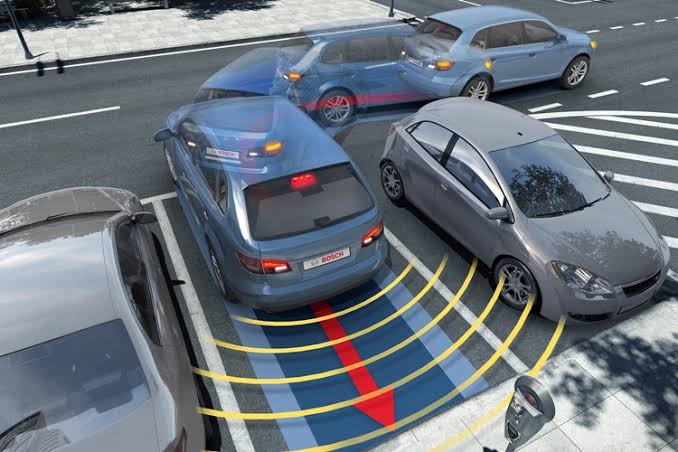
Most conventional parking sensors use ultrasonic sound. They send out waves and listen for an echo returning from a nearby object. The time taken for that echo to return helps the system estimate distance.
It is a clever arrangement, but not an all-knowing one.
A layer of mud, road salt, ice or packed snow can interfere with the signal. Heavy rain and splashing water may create confusing reflections. Even a stubborn bead of water sitting on the sensor can occasionally make the system behave as though the bumper is much closer to something than it really is.
Temperature can also affect performance, particularly during very hot or cold weather. Another vehicle using ultrasonic sensors nearby may briefly confuse the system. Uneven ground, tall grass, steep ramps and certain curb shapes can produce alerts that appear to come from nowhere.
The sensors are not lying. They are simply interpreting a noisy world through several small circles of plastic.
The bumper may be carrying its own obstacle
Accessories fitted near the sensors deserve particular suspicion.
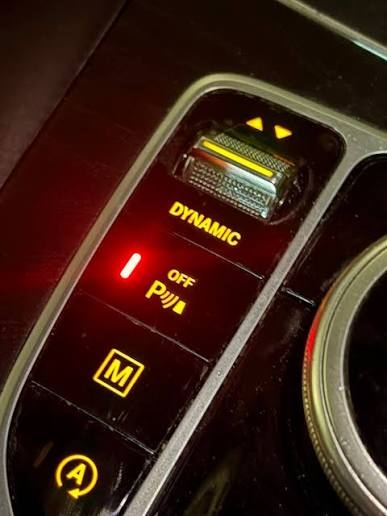
A tow hitch, bicycle rack, spare-wheel carrier or license-plate bracket can sit inside the detection area. The system then reports the accessory faithfully every time the car moves slowly. Some vehicles provide a towing mode or allow the rear sensors to be switched off for precisely this reason.
A sticker or decorative cover placed over a sensor can cause trouble too. So can thick wax, paint or poorly finished bodywork following a bumper repair.
The sensor does not need to be completely covered. A small change in its mounting angle may be enough to make it read the ground, part of the bumper or another component as an obstacle. If the false alarms began after a parking knock, collision repair or bumper removal, alignment becomes an obvious place to investigate.
Walk around the car and compare the sensors. Look for one that sits deeper than the others, points in a slightly different direction or has a damaged surround.
Give the sensors a careful wash
Cleaning is the easiest first step, though “careful” matters.
Use clean water and a soft cloth to remove mud, road salt, wax residue or insect remains. In winter, allow ice to thaw instead of attacking the sensor with a screwdriver or other sharp object. Scratching the surface or pushing the sensor into the bumper turns a free cleaning job into a much less charming repair.
Once the sensors are clean, restart the car and test the system in an open area. If the warning has disappeared, the bumper was dirty rather than electronically doomed.
If the display identifies a particular corner, concentrate there. Some systems illuminate the area where an obstacle has supposedly been detected, making it easier to find the troublesome sensor.
A consistent warning from the same clean sensor may indicate damage, poor alignment, a loose connection or internal failure. Diagnostic equipment can often identify which part of the system is no longer communicating correctly.
Silence does not mean the system can see everything
Parking sensors can fail in the opposite direction as well. Some objects produce a weak or misleading echo.
Thin poles, chains, narrow railings, soft snowbanks and low objects can be difficult to detect. Something directly beneath the bumper may sit outside the sensor’s useful field. Materials that absorb sound can also remain surprisingly quiet.
That is why owner’s manuals continue to tell drivers to look around the vehicle, even when it has cameras, sensors and enough dashboard graphics to resemble a small television studio.
Parking aids are useful assistants. They are not witnesses willing to swear that the path is clear.
Know the difference between bad weather and a bad sensor
A sensor that complains during heavy rain but behaves normally once the bumper is clean and dry is probably experiencing an operating limitation. The same applies to a temporary winter warning caused by snow or ice.
A fault deserves closer attention when the warning persists in dry conditions, always comes from the same position or appears alongside a system-error message. Previous bumper damage, water inside a connector or a badly mounted replacement sensor can also produce repeat problems.
There is no need to replace every sensor because one has become temperamental. A proper diagnosis can isolate the affected unit and check its wiring and mounting position.
The next time the car screams at an empty driveway, resist the urge to argue with the dashboard. Check for dirt, ice, water and anything recently attached to the bumper.
The invisible wall may turn out to be a blob of road salt with excellent timing.