The Fuel Nozzle Clicked Off. That Extra Squeeze Could Cost More Than You Think
by AutoExpert | 21 July, 2026
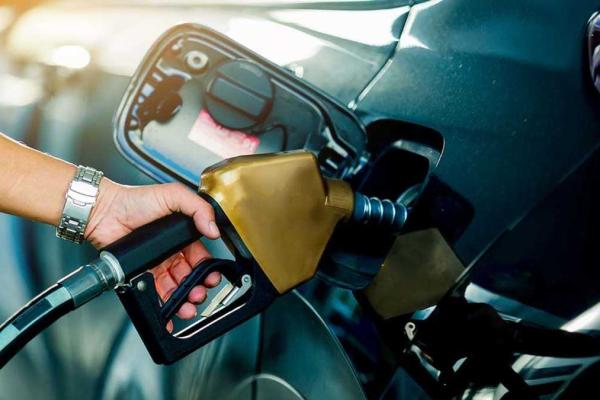
The pump stops at $47.83. It is not a particularly satisfying number. Another quick squeeze would make it $48. A couple more might bring it to a nice, tidy $50. The nozzle clicks again, a few drops disappear down the filler neck, and the tank feels just a little more full.
Drivers have been doing this for generations. Back when people paid cash at the fuel station, rounding up even made practical sense. Today, when a card will happily process $47.83 without complaint, the habit has outlived its original purpose.
Unfortunately, it may be doing more than adding a few cents to the receipt.
The first click is the finish line
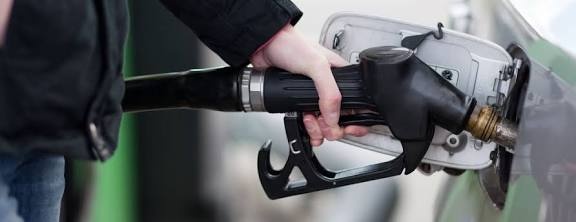
A fuel nozzle is designed to shut off automatically when gasoline reaches the appropriate level in the filler neck. That familiar click is not the pump taking a short break. It is telling the driver that the tank has accepted the fuel it was designed to hold.
Continuing after that point does not neatly compress more gasoline into some secret reserve. Modern fuel systems deliberately leave room for fuel expansion and for vapor management. Gasoline changes volume as its temperature rises, and a completely packed tank would leave it nowhere to go.
More importantly, the space above the liquid fuel is part of the car’s evaporative-emissions system, usually shortened to EVAP. This system prevents gasoline vapors from simply escaping into the atmosphere.
At the center of it is a charcoal canister. It stores fuel vapor temporarily, then allows the engine to draw that vapor in and burn it later. It is a clever, largely invisible arrangement that goes about its work without demanding attention.
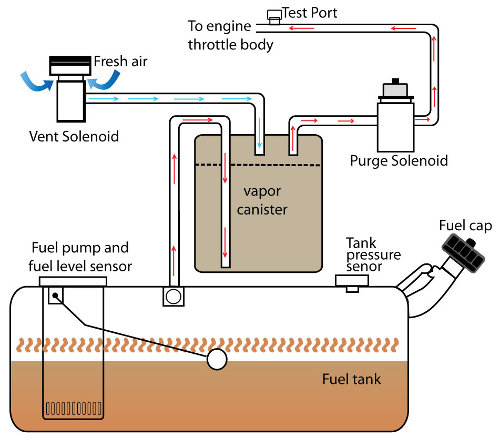
It is also designed for vapor, not a bath in liquid gasoline.
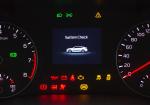
When the tank is repeatedly overfilled, fuel may be pushed into the vapor lines or charcoal canister. Once the charcoal becomes saturated, the system may struggle to control vapors properly. A check-engine light can follow, along with hard starting after refueling, a fuel smell or an emissions-system repair that costs rather more than the few pennies squeezed into the tank.
AAA advises drivers to stop at the first automatic click, noting that repeated topping off can damage EVAP components and the charcoal canister.
The extra fuel may not take you any farther
There is another irritating part to this habit: some of the gasoline paid for after the click may not remain in the tank.
It can splash back, spill down the side of the car or be drawn into the station pump’s vapor-recovery equipment. Even when it does enter the filler neck, it may occupy space the vehicle needs for expansion rather than providing meaningful extra driving range.
Spilled gasoline is not harmless, either. It can damage paint if left sitting on the body, produce strong vapors and create an unnecessary fire risk around the pump.
On cars with capless fuel fillers, repeatedly forcing fuel in can also interfere with the system’s sealing flaps. Ford’s capless-filler instructions tell drivers to insert the nozzle fully and allow the pump to shut off normally.
What if the pump clicks too soon?
A nozzle that stops after adding only a gallon or two is a different matter. That can happen when the nozzle is inserted at an awkward angle, the pump is delivering fuel unusually quickly or gasoline is splashing back inside the filler neck.
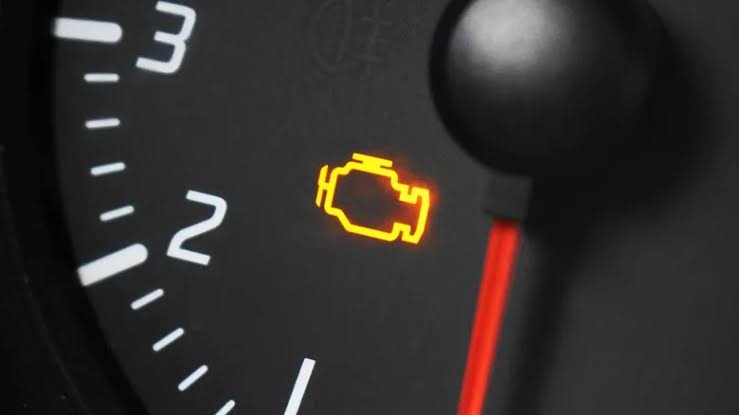
Remove the nozzle slightly, reposition it and try again at a slower setting. Moving to another pump can also settle the question. If different pumps repeatedly shut off long before the tank is full, the vehicle may have a restricted filler neck, a blocked vent or an EVAP-system problem worth investigating.
That is very different from continuing to squeeze after a normal fill.
One accidental extra click is unlikely to condemn the charcoal canister on the spot. There is no reason to leave the station expecting smoke from under the hood. The trouble comes from turning topping off into a routine.
When the nozzle clicks after a normal fill, put it back on the pump. The number on the receipt may look untidy, but the car will be perfectly content with it.