
Your Window Reaches the Top, Then Drops Again. It May Be Protecting Fingers That Are Not There
by AutoExpert | 3 August, 2026
The window glides upward, touches the top of the frame and immediately retreats several inches. Try it again and the same thing happens. Up, nearly closed, then back down. It has the comic timing of a car that has decided fresh air is compulsory.
The motor clearly works. The switch works. The glass is moving in the correct direction, at least until the car changes its mind.

This strange little routine often begins with a feature that is doing exactly what it was designed to do. The problem is that it has become a little too suspicious.
The window thinks it has found an obstacle
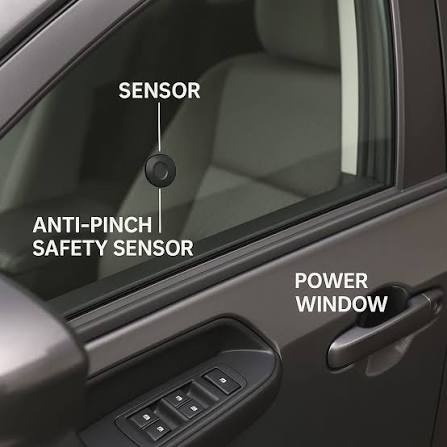
Many power windows have anti-pinch protection, also called jam protection. When the system senses unusual resistance while the glass is rising, it stops the window and reverses it.
That can prevent a closing window from trapping a hand, arm or other object. It is an important safety feature, particularly with one-touch automatic windows that continue moving after the switch has been released.
The system does not have eyes, however. It cannot distinguish between a trapped finger and a piece of weatherstripping that has become stiff with age. It only knows that the glass required more effort than expected.
Dirt inside the window channel can create that resistance. So can sticky rubber seals, ice, a badly positioned rain guard or glass that is no longer travelling squarely in its guides. A tired regulator may allow the window to tilt slightly as it rises, causing it to bind near the top.
The car reacts in the only way it knows: it lets the window go again.
Why it sometimes happens after a battery change
Power-window systems often learn the fully open and fully closed positions of the glass. This allows one-touch operation and anti-pinch protection to work properly.
If the battery is disconnected, replaced or allowed to go completely flat, that stored position may be lost on some cars. A window motor, switch or regulator replacement can have the same effect.
The glass still moves, but the control module may no longer understand where the top of its travel should be. As the window reaches the frame, the system interprets the unexpected resistance as an obstruction and sends it back down.
Many vehicles have a simple initialization procedure involving fully lowering the window, raising it again and holding the switch for a few seconds. Unfortunately, the exact sequence varies. On some cars the ignition must be on. Others require several steps, a diagnostic tool or a procedure for each individual door.
This is one of those occasions when the owner’s manual is more useful than a confident stranger in a three-minute video. Search the manual for “power window initialization,” “jam protection” or “one-touch window reset.”
Start with the boring possibilities
Before ordering a window regulator, take a close look at the channel through which the glass travels.
Leaves, grit and hardened dirt have a talent for collecting where they are least welcome. Clean the rubber channels gently with a soft cloth and an appropriate cleaner. Avoid forcing tools deep into the seal or soaking the area with a random lubricant. A product that makes the glass slippery today may attract dirt or damage rubber tomorrow.
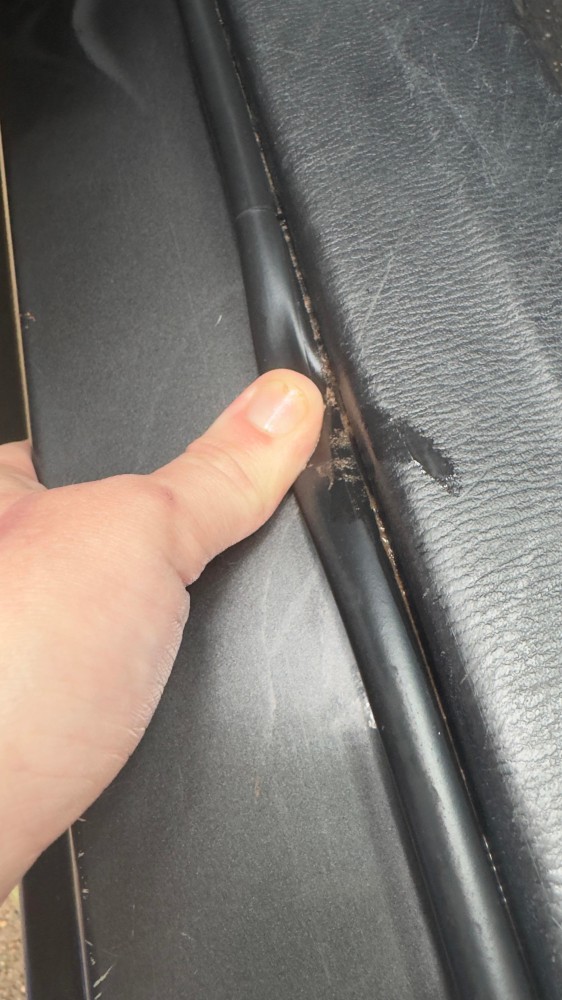
In freezing weather, check whether the glass is stuck to the seal. Repeatedly holding the switch while the window struggles against ice can strain the regulator and motor. Thaw the window first.
Also inspect any aftermarket wind deflectors fitted inside the channel. If the problem began shortly after they were installed, that timing is probably not a coincidence.
Once the channel is clean and the glass can move freely, use the vehicle’s correct initialization procedure. If the problem disappears, the window was likely fighting dirt, stiffness or a forgotten end position rather than a failed motor.
When the bounce-back points to a mechanical problem
A window that slows dramatically, tilts, clunks or produces crunching noises needs more than a reset. These symptoms can indicate a worn regulator, damaged cable, loose guide, distorted seal or glass that has moved out of alignment.
Watch the upper edge as the window rises. It should remain reasonably level. If one corner reaches the top first, the glass may be binding in the frame. Repeatedly forcing it closed risks damaging the regulator or shattering the glass.
A mechanic or automotive-glass specialist can usually tell the difference between an initialization problem and a window that is physically struggling.
The anti-pinch system should not be permanently disabled or tricked into accepting excessive resistance. A window that closes only after its safety protection has been defeated is not repaired. It has simply been persuaded to ignore the problem.
A stubborn window is often trying to be helpful
Few car problems feel quite as petty as a window that closes perfectly and then reopens itself. It seems less like a breakdown and more like an argument.
Yet the behavior has a sensible explanation. The car has detected resistance and chosen caution. Sometimes its concern is justified. Sometimes it has mistaken dirty rubber for a passenger’s fingers.
Clean the channels, look for ice or obstructions and follow the correct reset procedure. If the glass remains slow, crooked or noisy, let someone inspect the mechanism before it becomes stranded halfway open during the first serious rainstorm.
The window is not necessarily broken. It may simply need convincing that the coast is clear.