
Your EV Can Be Fully Charged and Still Be Defeated by Its Smallest Battery
by AutoExpert | 31 July, 2026
An electric car is sitting in the driveway with 200 miles of range showing in the app. The large battery beneath the floor contains enough energy to move two tons of metal across an entire county.
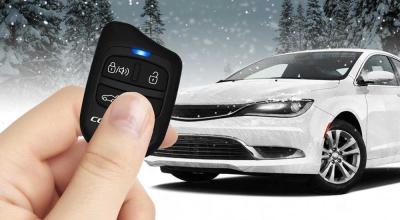
Yet the doors will not unlock. The screen is black. The charge-port button does nothing.
The mighty electric car has apparently been defeated by a battery small enough to carry by hand.
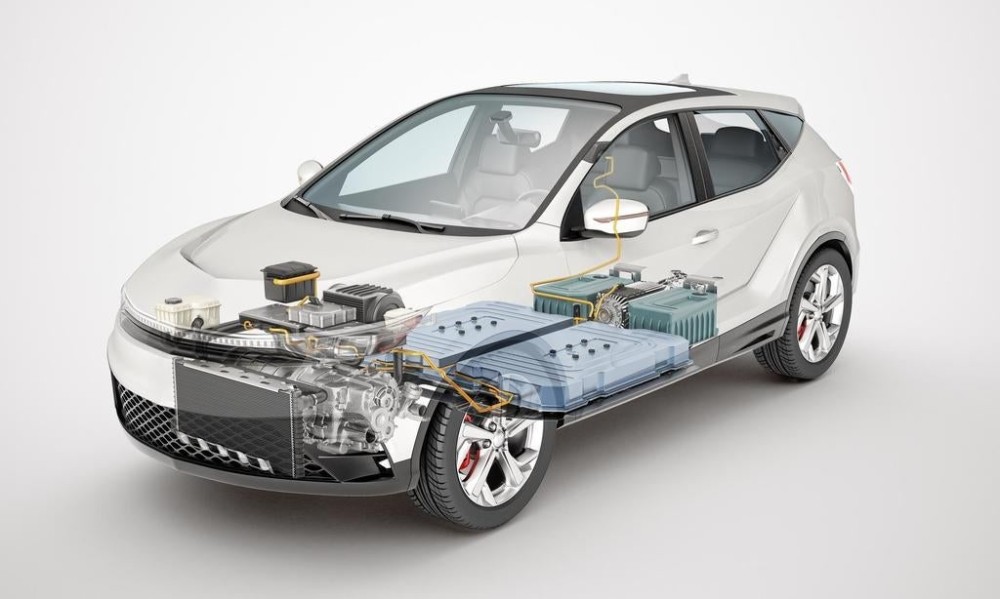
This is one of the stranger realities of EV ownership. The car may have a huge high-voltage traction battery, but it still needs a separate low-voltage battery to wake up and get organized.
In many electric vehicles, that smaller battery is a familiar 12-volt unit. Some newer designs use different low-voltage architectures or battery chemistries, but the underlying job remains much the same.
When an EV is switched off, the large traction battery is not permanently connected to every high-voltage component. Heavy-duty electrical switches called contactors isolate it. This is an important safety feature, particularly during a collision, electrical fault or service work.
Before the car can drive, something has to power the computers, run the initial checks and tell those contactors that it is safe to close.
That something is the low-voltage battery.
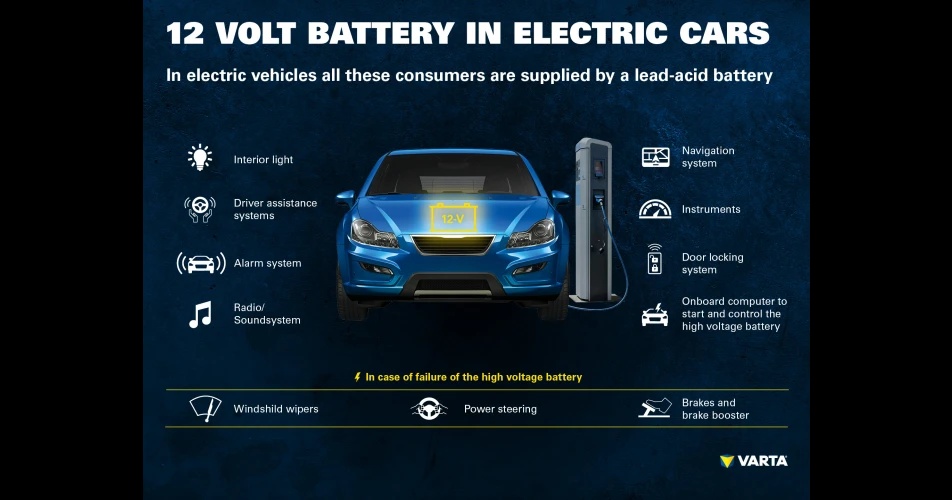
It wakes control modules, operates locks and lights, supports alarms and communication systems, and powers the electronics needed to bring the rest of the vehicle to life. In other words, the big battery provides the muscle, but the little battery gets everyone out of bed.
NHTSA’s research into rechargeable energy-storage systems describes high-voltage contactors as requiring power to close, while GM technical information for the Chevrolet Spark EV explains that its 12-volt battery wakes and initializes the vehicle’s control modules.
Once the car is fully awake, a DC-to-DC converter usually takes over the role performed by an alternator in a gasoline car. It reduces voltage from the traction battery and uses that energy to support the low-voltage system and recharge its battery.
That arrangement works beautifully until the smaller battery becomes too weak to begin the process.
The high-voltage pack may be completely healthy and well charged, but it cannot necessarily reconnect itself without the low-voltage electronics. The energy is there. The car simply cannot reach it.
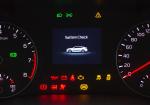
Symptoms can be confusing. The vehicle may refuse to unlock electronically, display a collection of unrelated warnings or behave normally one evening and appear completely dead the next morning. A weak low-voltage battery can also cause screens to reboot, accessories to fail or systems to shut down as the car tries to preserve enough power for essential functions.
Tesla warns that an unavailable low-voltage battery may disable nonessential features and can prevent the vehicle from restarting after a drive. It also notes that an unresponsive vehicle which will not unlock, open or charge may have a discharged low-voltage battery.
The smaller battery is still a wear item. Its lifespan depends on chemistry, temperature, vehicle design, software behavior, storage conditions and how frequently the car is used. Leaving an EV parked for a long period can be harder on the low-voltage system than many owners expect, particularly if connected features continue waking the vehicle.
Repeatedly checking an app can sometimes wake parts of the car too. So can security monitoring, over-the-air communications and cabin-protection systems. Each individual event may use little energy, but a weak battery has little energy to spare.
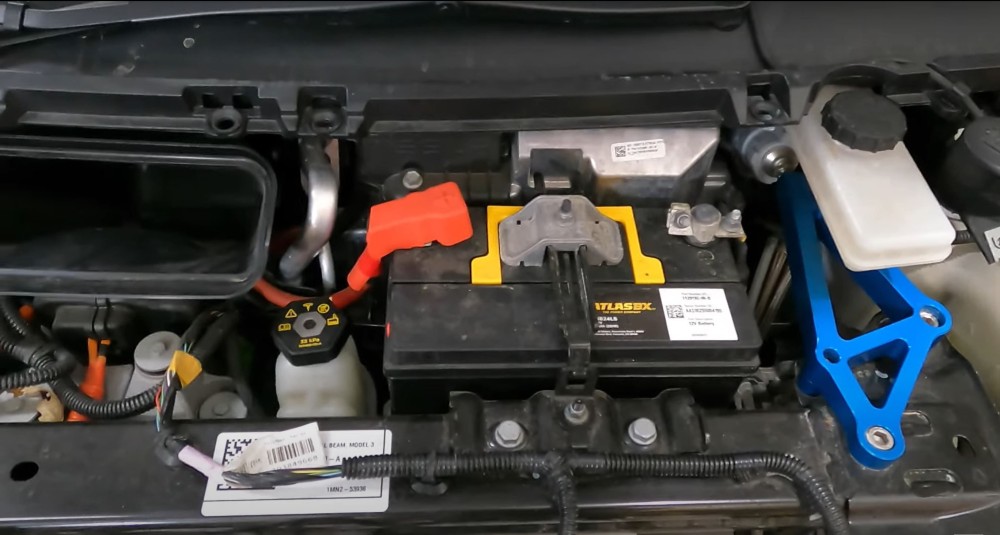
Replacing it is not necessarily the same as changing the battery in an older gasoline car. The vehicle may use an AGM, conventional lead-acid, lithium-ion or another model-specific low-voltage battery. Some cars require a reset, registration procedure or software routine after replacement.
Access can also be peculiar. The battery may sit beneath the hood, under a seat, in the cargo area or behind trim. If the electronic hood release has lost power, the manufacturer may provide emergency terminals or a manual access procedure.
Jump-starting requires particular care. The goal is to support the low-voltage system, not send booster cables anywhere near the high-voltage traction battery. High-voltage components should never be opened, touched or improvised upon.
Use only the jump points and sequence specified by the vehicle manufacturer. Some EVs can receive a low-voltage jump but should not be used to jump-start another vehicle. Others have restrictions concerning chargers, booster packs or terminal locations.
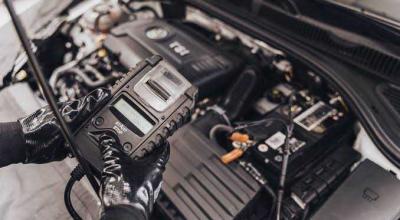
If the car powers up after receiving low-voltage support, that does not prove the battery is healthy. It may fail again as soon as the vehicle is switched off. Testing and replacement may still be necessary.
This small battery can feel like an unnecessary leftover from the gasoline era, but it performs a useful separation of duties. It powers familiar low-voltage equipment, allows established automotive components to be used and helps keep the high-voltage system isolated when the car is asleep.
The surprising part is not that an EV still has a small battery. It is how much authority that battery holds.
The large pack may decide how far the car can travel. The little one decides whether the journey can begin at all.