Your Brake Rotors Turned Orange Overnight. They Probably Did Not Wear Out Overnight
by AutoExpert | 1 September, 2026
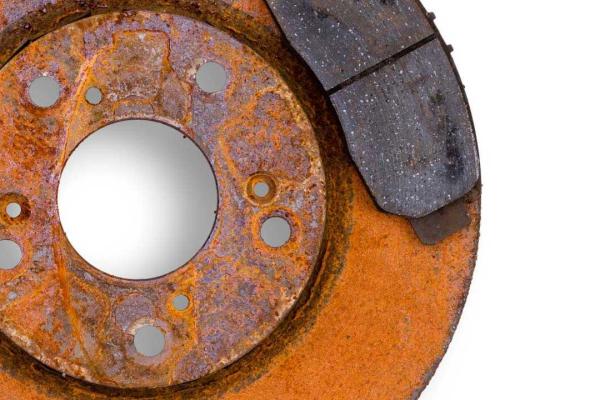
Wash a car in the evening and look through its wheels the next morning. The brake rotors may have turned bright orange.
The change can happen quickly enough to feel impossible. The discs looked clean yesterday. Now they resemble parts recovered from the bottom of a harbor.
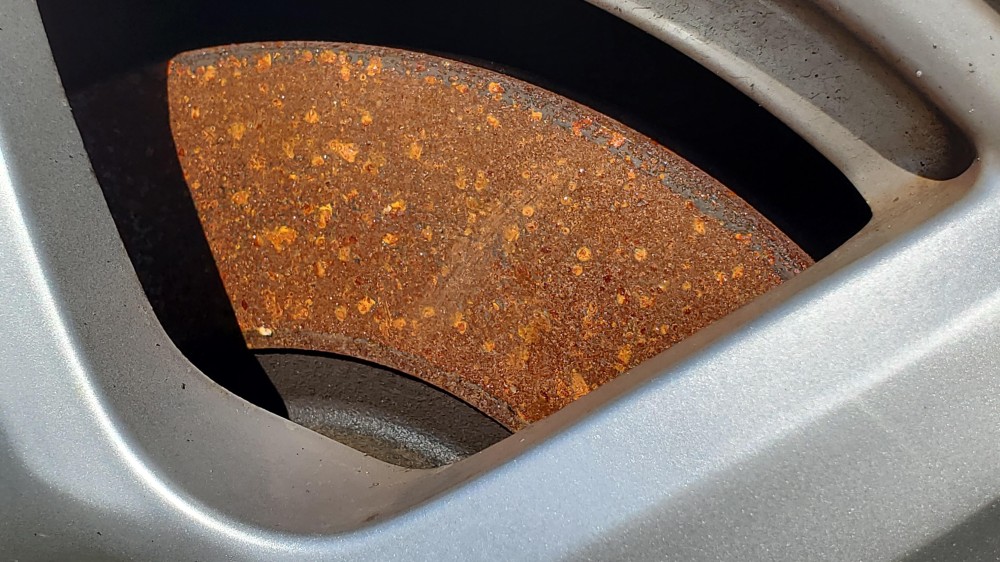
Fortunately, rust on brake rotors overnight is often a cosmetic layer created by moisture, oxygen and exposed metal. A short drive may remove most of it before the driver has finished worrying.
Brake discs live without much protection
Most conventional brake rotors are made from cast iron. The material handles heat well, provides a suitable friction surface and costs relatively little.
Paint would interfere with the brake pads, so the working face of the rotor remains bare. Water reaches it during rain, washing and humid weather. Surface oxidation can then begin within hours.
The result is a thin, orange film across the area touched by the pads. A car parked outside near the sea may develop it particularly quickly, but even a dry garage cannot prevent every trace after a wash.
BMW has told technicians that light surface rust on brake-disc friction surfaces can occur because of environmental conditions and does not automatically represent a safety or quality defect. The manufacturer’s inspection bulletin explains the condition.
The first stops may sound terrible
When the car moves again, the brake pads sweep across the rotating discs. The thin rust layer is scraped away, often producing a rough grinding or brushing sound during the first few stops.
The brake pedal may also feel slightly different. Rust particles can leave brown dust on the wheels or rusty water marks after the car has been washed.
Light oxidation should begin clearing quickly during normal braking. Clean silver-gray tracks will appear where the pads contact the discs, and the noise should fade.
No heroic braking manoeuvres are needed. A few ordinary, controlled stops in a safe setting are usually enough for very light surface rust.
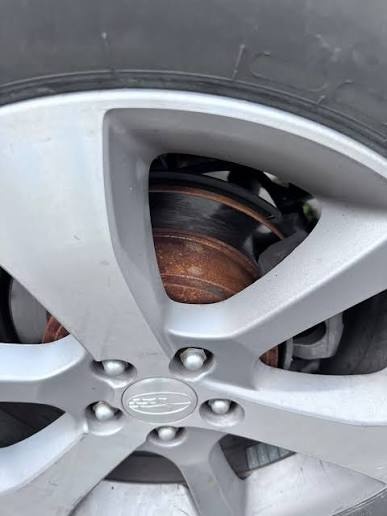
When orange rotors deserve attention
Harmless surface rust tends to be thin, even and temporary.
Corrosion becomes more concerning when the car has been parked for weeks or months, especially in wet or salty conditions. Rust can develop pits deep enough to remain after the pads have cleaned the outer surface.
Warning signs include:
- Grinding that continues after several normal stops
- Strong vibration through the pedal or steering wheel
- Braking that pulls the car toward one side
- Deep grooves or visible flaking
- Large rusty patches that never become clean
- One rotor remaining rusty while the others clear
A disc that stays rusty over part of its surface may have poor pad contact. A seized caliper, sticking slide pin or worn component can prevent the pad from pressing evenly against the rotor.
Heavy corrosion can reduce smooth contact between the pad and disc. Resurfacing may help in some cases, while badly pitted or undersized rotors need replacement.
Hybrids and EVs can develop more visible rust
Regenerative braking allows an electric motor to slow the vehicle and recover energy. The friction brakes therefore work less often during gentle driving.
Reduced use is excellent for pad life, but the rotors may keep their orange coating longer. Some electrified cars periodically use the friction brakes or blend them into stops to help maintain the discs.
Owners should follow the vehicle’s maintenance guidance rather than inventing aggressive braking routines. Road conditions and traffic rarely cooperate with amateur rotor-cleaning experiments.
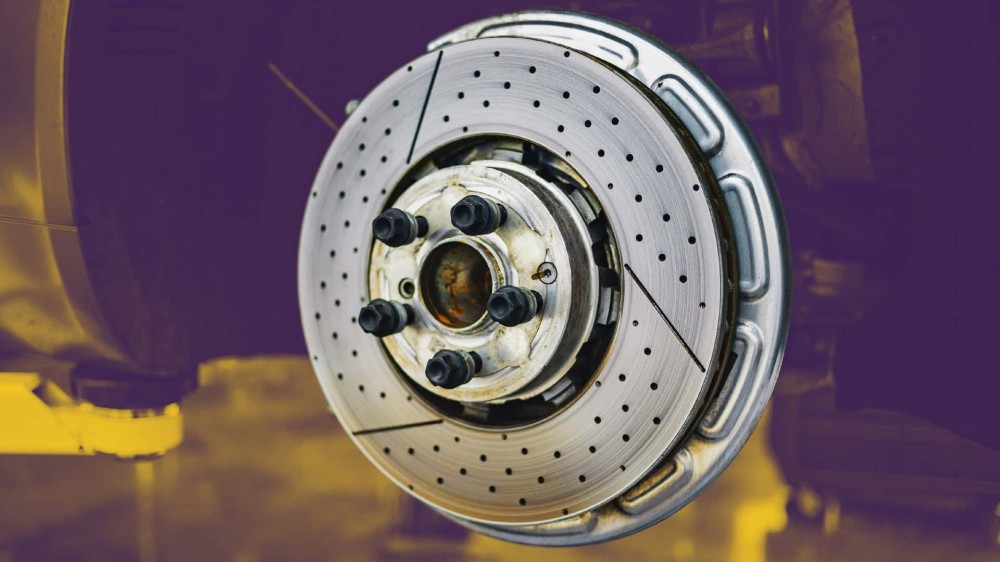
Never put lubricant on a rusty brake disc
A squeaky hinge improves with oil. A brake rotor emphatically does not.
Spraying lubricants, anti-rust coatings or household cleaners onto the disc can contaminate the pads and reduce braking performance. The friction surfaces must remain clean.
Cosmetic rust on the unused center hub or outer edge may remain even after the braking surface clears. Those areas are not swept by the pads, so their appearance alone says little about rotor health.
Bright orange brake discs look dramatic because the change happens so quickly and remains visible through open alloy wheels. Most have experienced a wet night rather than a mechanical collapse.
Give the brakes a normal drive. If the noise and rust refuse to leave, then the car has earned an inspection.