That Brown Film on Your Tires May Be Coming From the Rubber Itself
by AutoExpert | 13 October, 2026
Why are my tires turning brown? Protective ingredients in the rubber can work their way to the surface, leaving a brownish film known as blooming. Road dirt and brake dust can look similar. Blooming itself is normal and can be cleaned with mild soap and water.
There is something faintly unfair about spending an afternoon washing a car and then finding the tires still look grubby. The wheels have come up nicely, the paint looks good, but that rusty-brown tinge around the sidewalls refuses to cooperate. Perhaps the wash wasn’t thorough enough. Perhaps the tire dressing was a mistake.
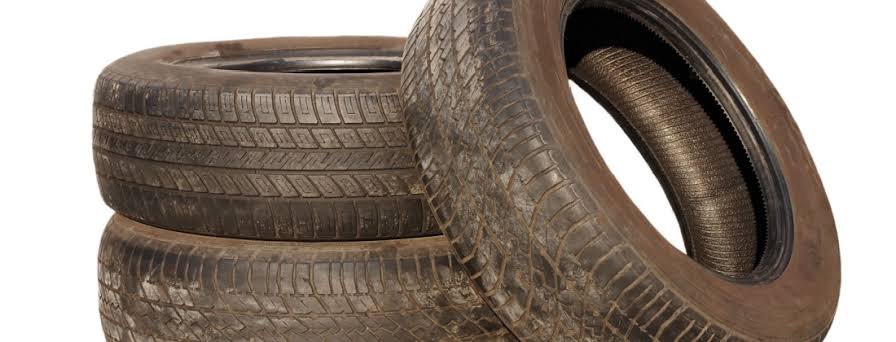
Sometimes neither is to blame. The rubber itself can supply the brown.
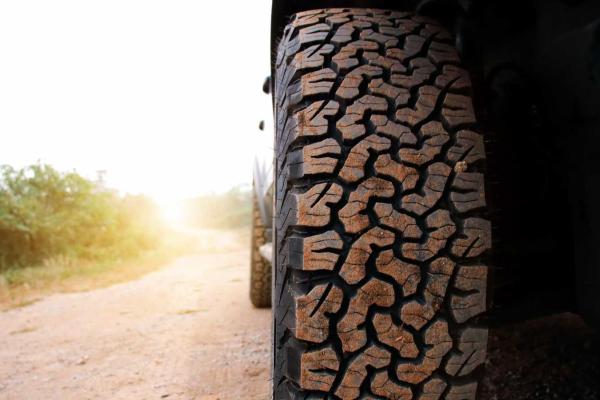
Tires contain more than rubber and the reinforcing materials that give them strength. They also contain ingredients intended to help them withstand exposure to the air. Among those are antiozonants, which help protect the rubber against ozone damage.
Michelin explains that an anti-ozone ingredient can migrate to the surface and leave a brownish, dusty appearance. Tire makers call this sort of discoloration blooming. Hankook’s maintenance guidance describes protective residue appearing brown or white, without affecting tire performance.
It’s an unglamorous side effect of something useful. The tire may look as though it needs a wash precisely because an ingredient put there to protect it has reached the surface.
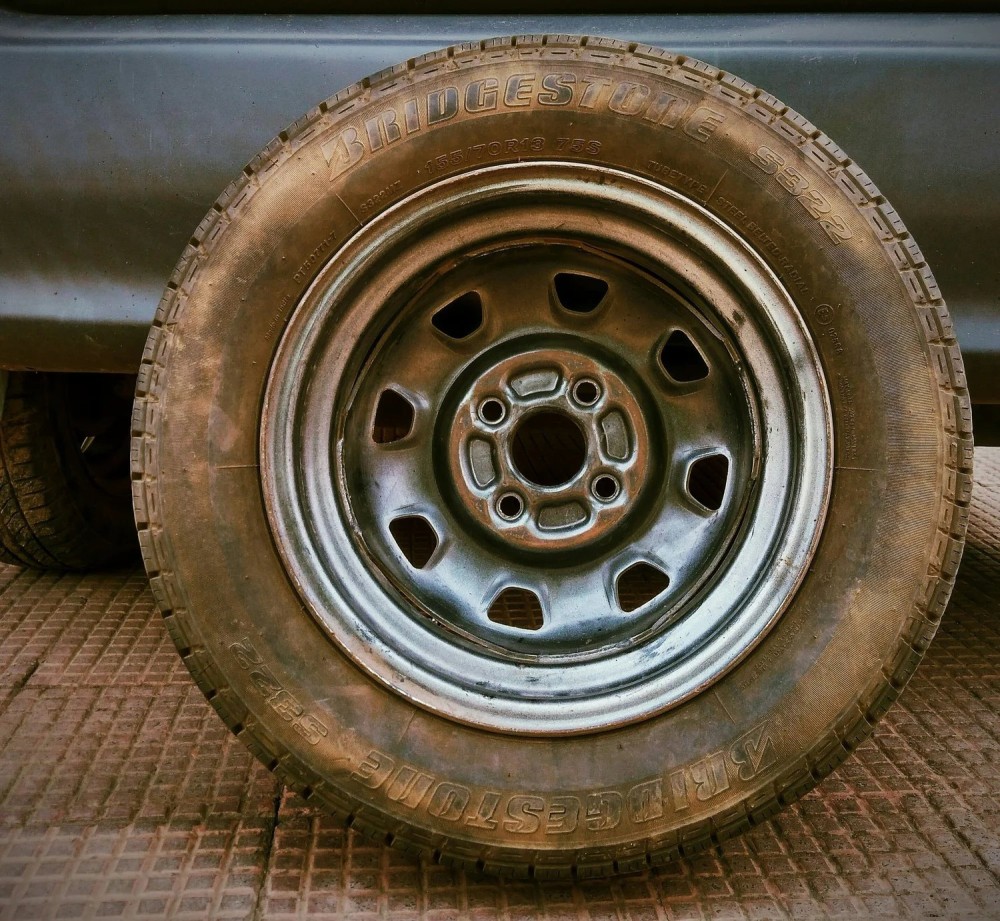
That doesn’t mean every brown sidewall is blooming. Anyone who has cleaned a set of wheels knows how much dirt collects there, and Michelin also points to road dust and brake dust as possible causes. A brown film alone won’t tell you which one you’re looking at.
For most owners, there is no need to establish its chemical identity before getting the bucket out. Michelin recommends mild soap and water. Hankook suggests tire soap and a sponge, followed by a clean-water rinse and drying. Start there, rather than reaching for the strongest cleaner in the garage.
The temptation is to keep scrubbing until the rubber looks like the photographs on a tire-dressing bottle. But that deep black finish is a matter of presentation. You don’t need it to prove that the tire is healthy, and buying another product won’t necessarily prevent the brown from returning.
Once the sidewall is clean, it is easier to have a proper look at it. An outward bulge, cuts, cracks or recurring pressure loss need attention from a tire professional. Those are separate problems from a film that washes off. Covering them with dressing would only make them harder to notice.
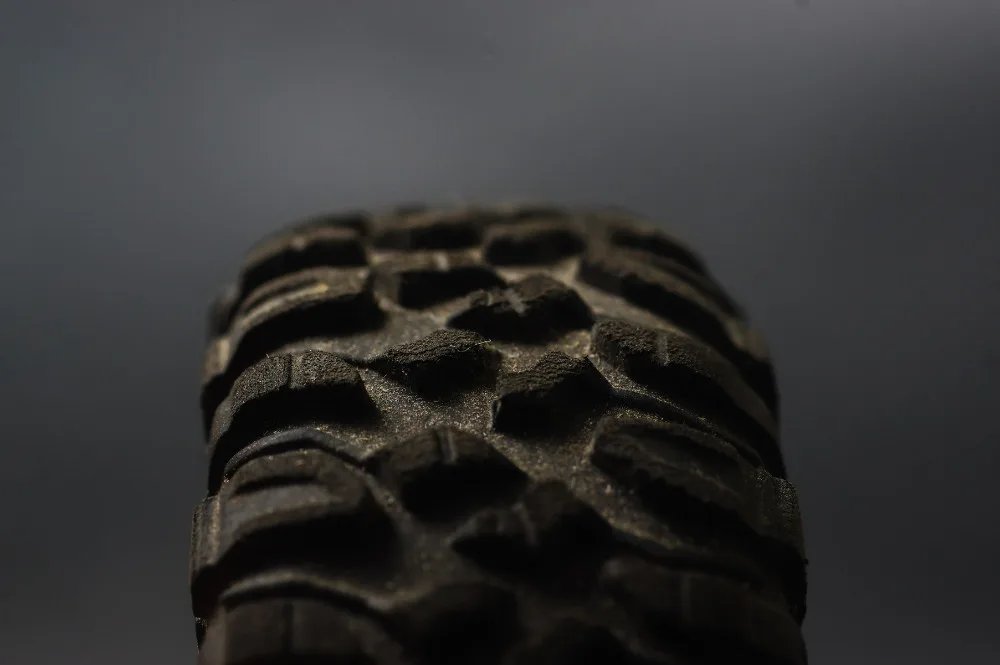
There’s a useful distinction here for anyone judging a used car, too. Shiny tires can make the whole vehicle look better cared for, but the shine tells you very little about the rubber beneath it. Check the condition, tread and pressure rather than taking the seller’s enthusiasm with a detailing sponge as evidence.
If the tires are otherwise sound, a little returning brown may simply be something to deal with at the next wash. Annoying, certainly, especially after all that work on the wheels. It doesn’t, by itself, belong on the shopping list for a new set.