
Your Seat Belt Works Everywhere Except the Steep Driveway. Gravity May Be the Reason
by AutoExpert | 2 September, 2026
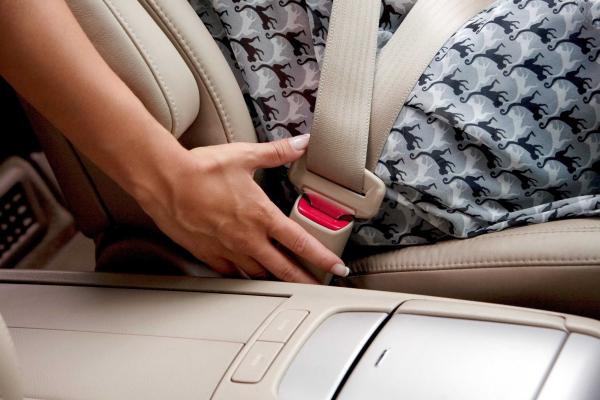
A seat belt can work perfectly all week, then refuse to move on the one morning when the car happens to be parked nose-down on a steep driveway.
Pull gently and nothing happens. Give it a firmer tug and the belt feels even more determined to stay put. After several attempts, the retractor begins to look like another small but expensive problem waiting to be added to the repair list.
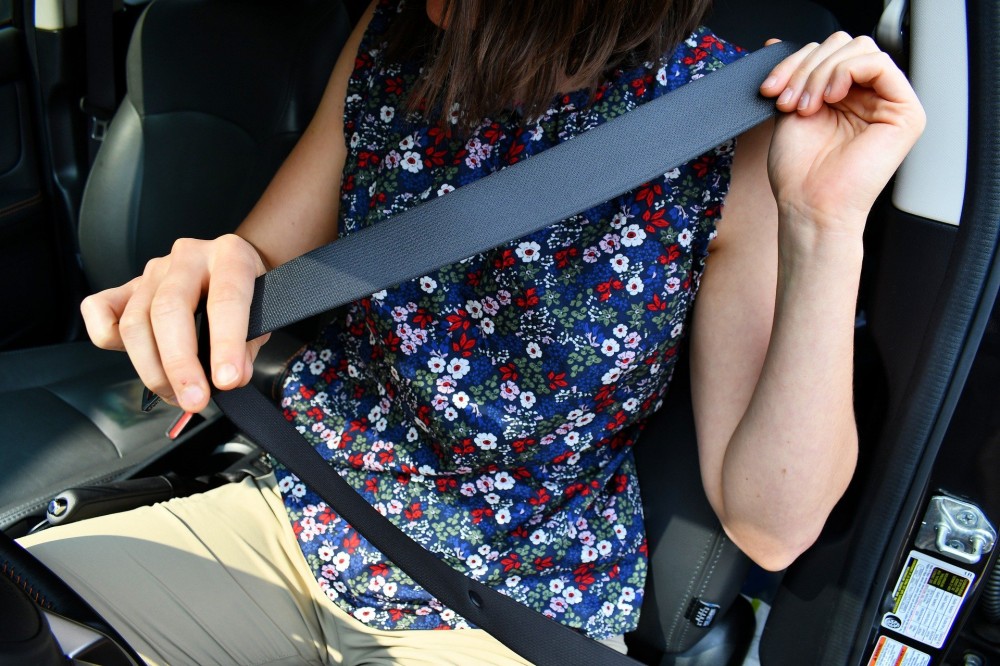
Before blaming a broken spring or tangled belt, move the car onto level ground.
The mechanism may simply be reacting to gravity.
The seat belt is designed to lock before a crash
Most modern seat belts use an emergency locking retractor. During ordinary driving, the webbing moves freely enough for the occupant to lean forward, adjust a mirror or reach into a glovebox. When the mechanism detects a sudden pull or abrupt vehicle movement, it locks.
Many retractors respond in two different ways.
A webbing-sensitive mechanism reacts when the belt is pulled out quickly. Anyone can test the basic principle by yanking the shoulder belt sharply. It should lock almost immediately.
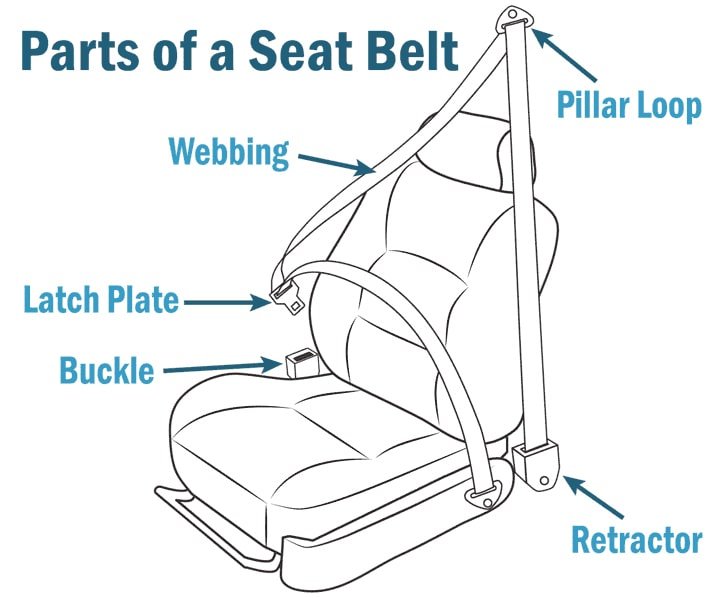
A vehicle-sensitive mechanism reacts to movement or changes in the position of the car. Inside the retractor, a small pendulum, ball or weighted sensor moves when the vehicle brakes hard, accelerates sharply, rolls or leans beyond a certain angle. Its movement engages the locking mechanism.
Federal seat-belt standards account for retractors that respond when tilted, while NHTSA recall documentation describes vehicle-sensitive and webbing-sensitive locking systems used in automotive restraints.
Park the car on a sufficiently steep slope and the internal weight may move far enough to produce the same response it would during sudden vehicle motion. From the retractor’s point of view, the unusual angle deserves caution.
Pulling harder usually makes it worse
A locked retractor rarely responds well to an argument.
Repeatedly jerking the webbing can keep activating the locking pawl. The harder and faster the belt is pulled, the more convinced the mechanism becomes that it should remain locked.
If the car is safely parked, allow the belt to feed back into the pillar as far as possible. Remove any twist in the webbing, let it settle for a moment and try pulling it out again very slowly.
When the slope is responsible, moving the vehicle onto flatter ground will often release the mechanism. Once level, let the belt retract fully before drawing it out with a smooth, gentle movement.
Some belts can also become trapped because the webbing was allowed to retract while twisted. The folded material then jams near the guide or spool. Straightening the visible section and giving the retractor enough slack may solve the problem without tools.
Removing interior trim or opening the retractor housing is a different proposition. Seat-belt assemblies are safety equipment, and many modern systems sit close to pyrotechnic pretensioners designed to tighten the belt during a collision. Casual disassembly is a poor experiment.

When the hill is no longer a convincing excuse
A belt that releases as soon as the car reaches level ground is probably behaving normally. A belt that remains stuck deserves inspection.
Look first for an obvious twist, a dirty section of webbing or something wedged beside the seat. Sticky residue from a spilled drink can make the belt reluctant to move, while objects stored against the pillar or seat base may interfere with its path.
The retractor itself can also fail. A weakened return spring may leave loose webbing hanging across the seat. A damaged locking mechanism may jam unpredictably or fail to lock when the belt is pulled sharply. Either symptom needs proper attention.
Extra care is appropriate if the car has been involved in a collision. Seat-belt pretensioners may deploy during an impact even when there is little visible damage inside the cabin. A deployed or damaged assembly generally requires replacement according to the manufacturer’s repair procedure.
A belt that is frayed, cut, slow to retract or unreliable on level ground should not be dismissed as an irritation. The restraint system has one job, and it needs to perform that job without negotiation.
Still, a belt that develops a stubborn streak only when the car is parked on a steep slope may be perfectly healthy. Move the car, let the webbing settle and pull slowly.
Gravity may have reached the retractor before the passenger did.