America Has Built Some Absolutely Unhinged Concept Cars, and That’s Why They’re So Great
by AutoExpert | 6 April, 2026
Concept cars are what happen when car companies stop being practical for a minute.
No one is worrying about cupholders, resale value, or whether the average buyer will understand the design. It is just designers and engineers getting a little carried away, which, honestly, is when the car world gets most interesting.
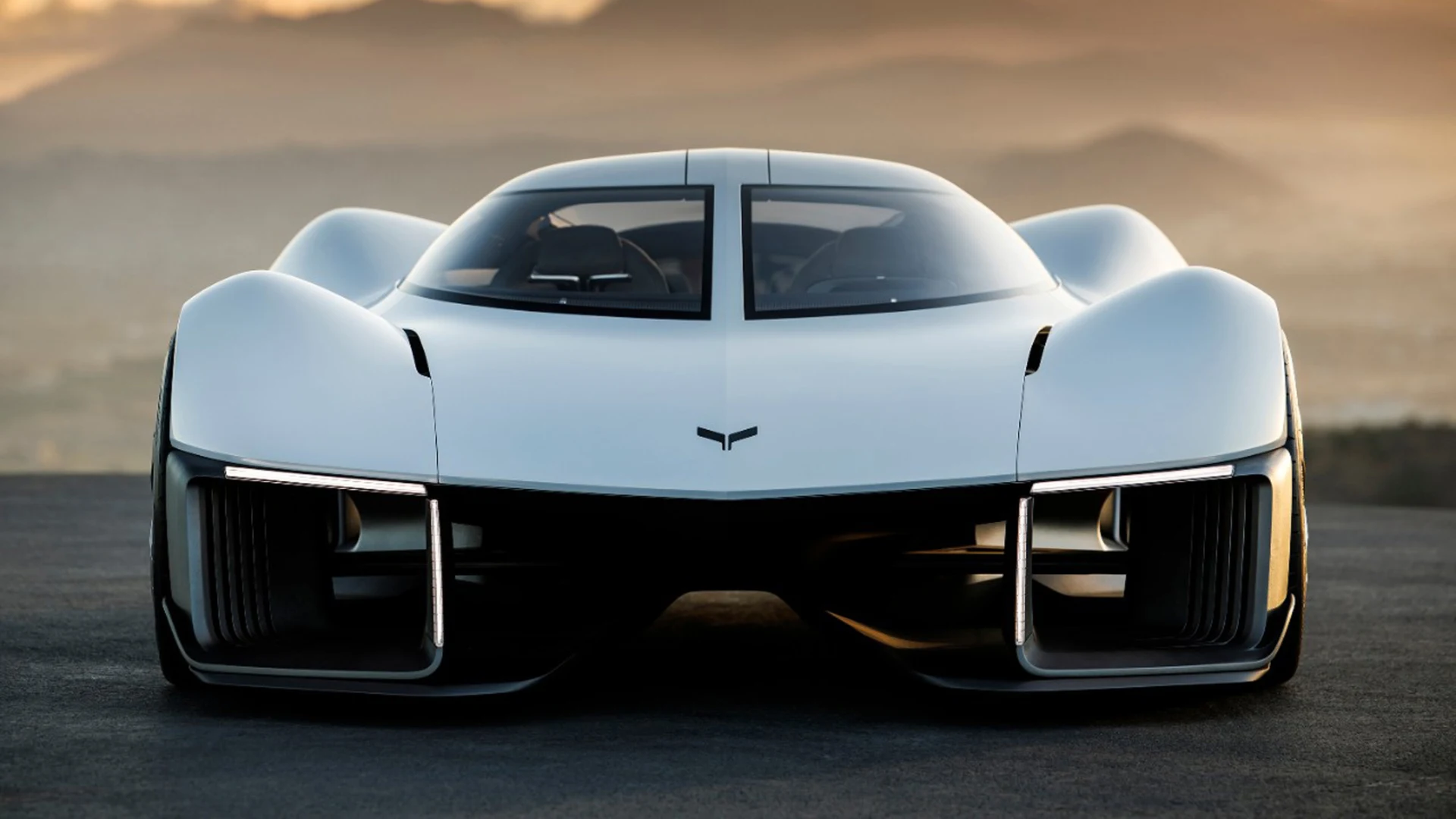
And when it comes to getting carried away, America has always been really, really good at it.
Some of the wildest concept cars ever made came out of the U.S., and part of what makes them great is that they were never afraid to be strange. Not slightly unusual. Properly strange.
Take the Dymaxion. That thing looked less like a car and more like someone tried to build the future after getting three hours of sleep. It was oddly shaped, extremely ambitious, and nowhere near normal. It also came from the 1930s, which somehow makes it even wilder. It did not become the future of driving, obviously, but it absolutely nailed one thing: making people stop and stare.
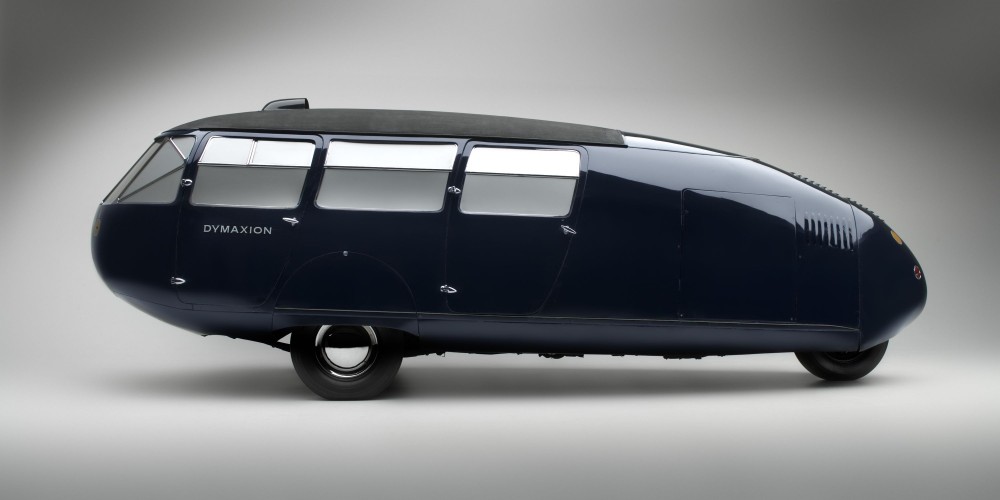
Then there was the Stout Scarab, which was basically doing minivan logic long before the world was emotionally ready for a minivan. It had this rounded shape and a lounge-like cabin that felt more like a mobile living room than a car. It was one of those ideas that sounded bizarre until the rest of the industry spent the next few decades slowly catching up.
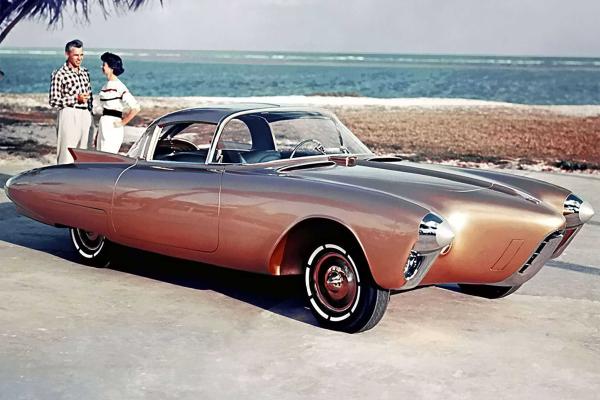
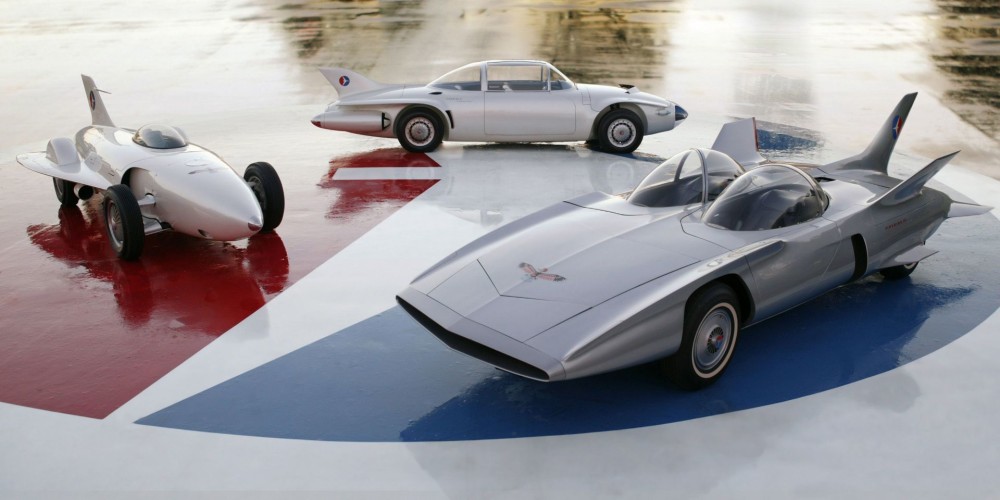
The Jet Age made everything even better. Or weirder. Depends how someone sees it. GM built the Firebird concepts that looked like they belonged on a runway, not a road. Chrysler got obsessed with turbine power and actually pushed it way further than most companies would have dared. Ford showed off a six-wheeled concept because apparently four wheels were not futuristic enough.
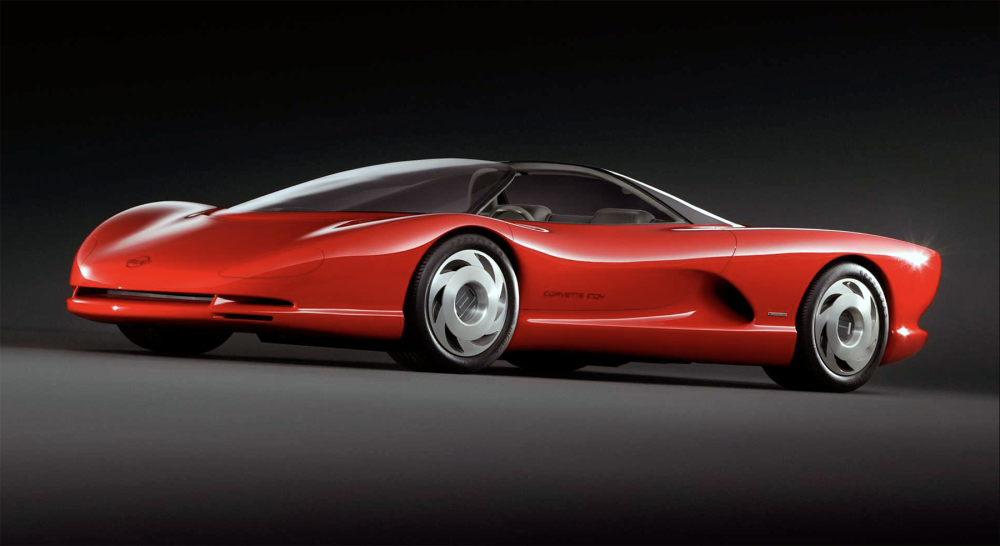
And the funny thing is, some of these ridiculous-seeming ideas were not actually pointless. A lot of concept cars end up previewing things that show up years later in real production models. The Corvette Indy is a great example. Mid-engine layout, advanced materials, big-performance thinking, a lot of it sounded outrageous at the time, until the industry slowly moved in that direction anyway.
Not every American concept chased the future in the same way, though. Some were weird because they looked backward instead. The Chrysler Atlantic was pure nostalgia on wheels, all curves and drama and old-school elegance. It did not feel like tomorrow. It felt like a dream about yesterday. And that counted too.
That is really what makes American concept cars fun. They are not always tasteful. They are not always realistic. Sometimes they are downright ridiculous. But they are rarely dull, and that matters.
A good concept car is not supposed to feel sensible. It is supposed to make people say, “Wait, what is that?” America has produced a lot of those moments over the years, and that is exactly why its concept-car history is so good.