Why Summer Is Secretly the Most Dangerous Time to Drive
by AutoExpert | 25 May, 2026
Memorial Day weekend feels harmless enough on the surface. Burgers on the grill. Coolers packed. Somebody arguing over Bluetooth music before the road trip even starts. Summer energy. Freedom. Long weekends.
But behind all that? The roads quietly become a mess.
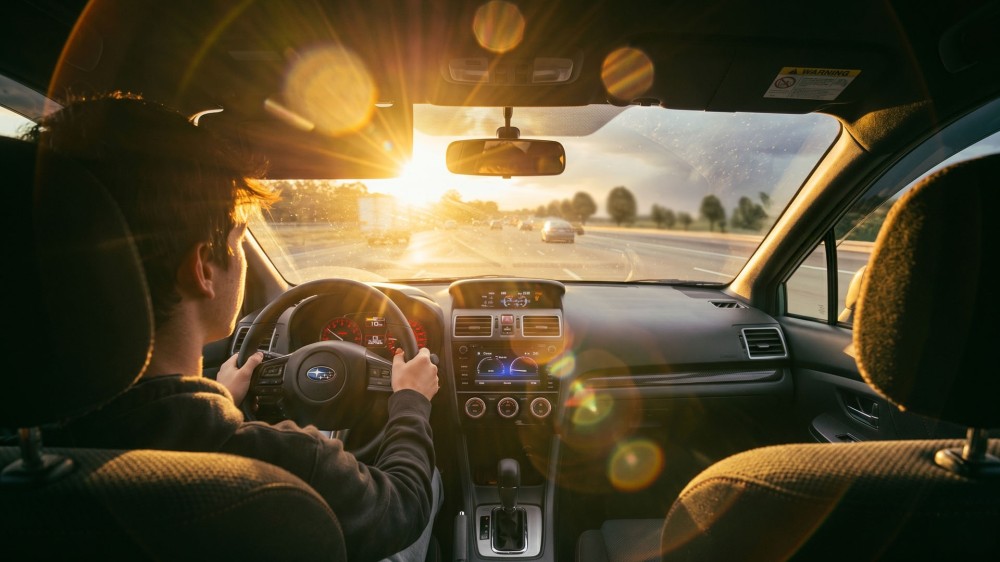
Traffic experts actually have a name for the stretch between Memorial Day and Labor Day: the 100 deadliest days. Which sounds dramatic until you see the numbers and realize... honestly, if anything, the name undersells it.
AAA coined the phrase years ago after digging through crash statistics and noticing the same ugly pattern every single summer. Roughly one-third of fatal crashes involving teen drivers happen during this window alone. On average, about eight people die every day in crashes tied to teen drivers during these months.
Every day.
Not just the holiday weekends either. Tuesday afternoons. Random July nights. Quick runs to Target. It adds up frighteningly fast.
And it makes sense when you really think about how summer changes people.
School's out, so suddenly there are way more inexperienced drivers on the road at all hours, not just during school commutes. Curfews loosen. Road trips multiply. Friends pile into cars five deep with music loud enough to shake the mirrors. Everybody's rushing somewhere fun, which weirdly makes people drive like the laws of physics took the summer off too.
The stats back that up in a pretty grim way.
During the 100 deadliest days, arrests for drunk driving jump about 13 percent. Distracted driving crashes climb another 13 percent. Speeding spikes too. So basically the three worst habits a driver can have all decide to peak at the exact same time.
Wonderful.
And here's the uncomfortable part nobody really talks about enough: the victims aren't usually just the teen drivers themselves. They're passengers. Families in the next lane. Pedestrians crossing the street after dinner. Someone heading home from work who happened to be in the wrong place when another driver made one terrible decision.
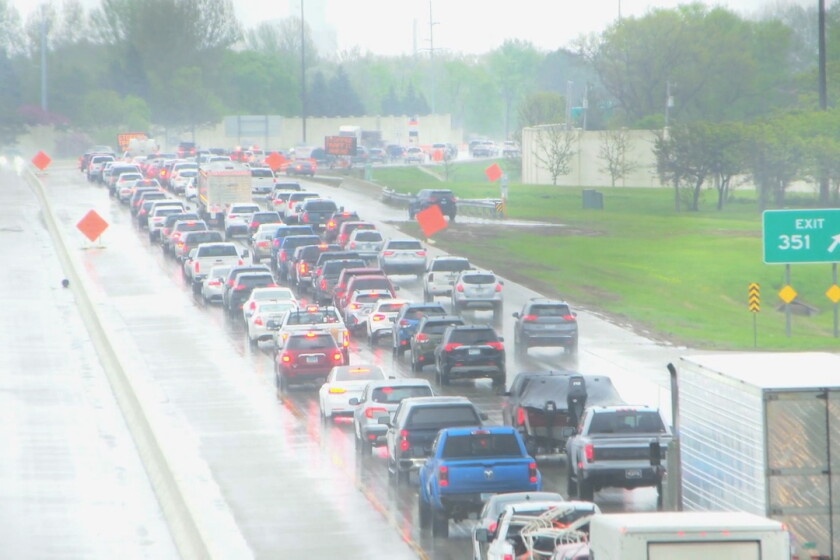
That's why this isn't really a "kids these days" story. It's everybody's problem.
Still, weirdly enough, the data is also kind of encouraging. Because almost everything making summer dangerous is preventable.
Phones. Speed. Alcohol. That's the big three over and over again.
Not mysterious mechanical failures. Not unavoidable freak accidents. Mostly just ordinary people making dumb choices because they're distracted, tired, overconfident, or convinced "it's only a short drive."
If you've got a teenager driving this summer, now's probably the time for the awkward conversations nobody enjoys having. The phone does not belong in their hand at red lights. Or in their lap. Or face-up in the cupholder buzzing every seven seconds like a needy little casino machine.
Seatbelts too. Every trip. Doesn't matter if they're driving three minutes to Starbucks or across state lines.
And the passenger thing matters more than parents realize. Crash risk climbs hard with every additional teen in the vehicle because attention gets split instantly. One friend turns into three friends, suddenly somebody's filming TikToks while another person's yelling directions and the driver misses an entire traffic light cycle.
For adults? Honestly the advice is painfully boring. Which is why people ignore it.
Slow down a little. Put the phone somewhere you physically can't reach it. Don't drive after drinking "just a little bit." Set your GPS before moving. Tiny habits. Massive difference.
AAA has actually started reframing the season this year as "100 days of safe driving" instead, which maybe sounds cheesy at first, but I kind of get the point. The roads themselves aren't cursed. Summer isn't dangerous because the calendar flipped to June.
It's dangerous because people stop paying attention.

So before the next beach trip or barbecue run or late-night ice cream drive, take ten seconds. Check the seatbelts. Put the distractions away. Especially if you've got younger drivers in your family learning from how you drive right now.
Because the scary part about the 100 deadliest days isn't that they're inevitable.
It's that most of them never had to happen in the first place.