Most Drivers Have No Idea What the “L” Gear Actually Does
by AutoExpert | 15 May, 2026
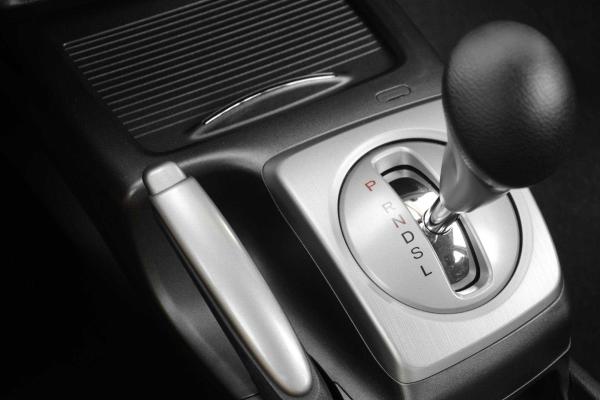
At some point, almost everybody driving an automatic transmission has glanced down at the gear selector and thought: “Okay, I know P, R, N, D... but what exactly is L supposed to be?”
And honestly, fair question.
Because car manufacturers never really bothered explaining it properly. They just toss an extra letter on the shifter and assume everybody instinctively understands transmission engineering now.
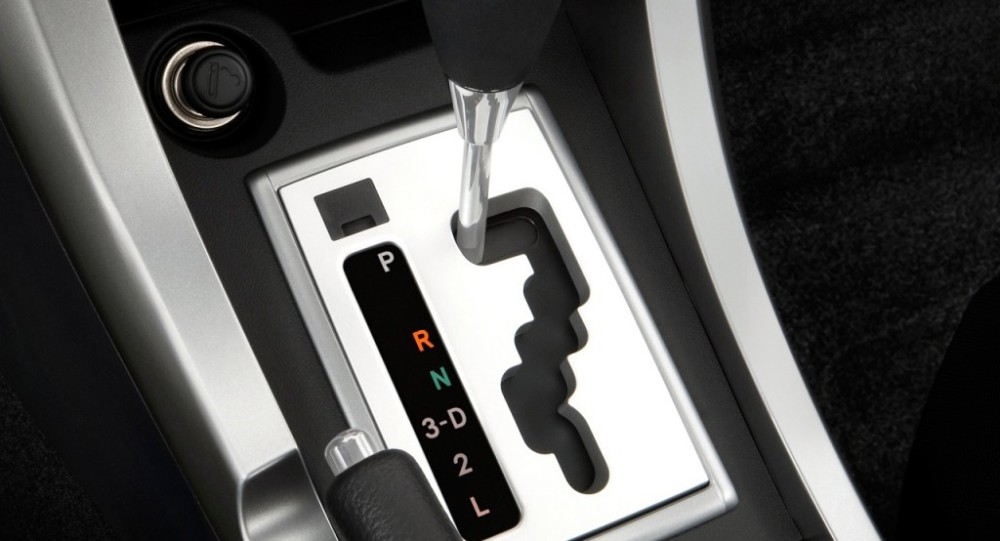
The mysterious “L” simply stands for “Low.” As in low gear.
That’s it. Not luxury mode. Not launch mode. Nothing exciting like that.
When you shift into L, the car limits itself to lower gears instead of freely shifting all the way up like it normally would in Drive. On older automatics, that usually means staying in first or second gear. On newer transmissions with eight, nine, even ten gears, it can include third as well depending on the vehicle.
The reason this exists comes down to control.
Automatic transmissions are designed to upshift early for fuel economy and comfort. Most of the time that’s great. But there are situations where you actually don’t want the transmission constantly hunting for higher gears every five seconds like an indecisive waiter recommending appetizers.
Towing is a big one.
If you’re hauling a trailer uphill, low gear helps keep the engine in its stronger torque range instead of endlessly shifting up and down trying to figure out what’s happening. Same thing on steep mountain roads. Ever drive up a giant incline and feel the car struggling, shifting awkwardly, losing momentum? That’s exactly where L becomes useful.
Weirdly enough, it’s also helpful going downhill.
A lot of drivers ride the brakes all the way down long descents without realizing the transmission can help slow the vehicle naturally. Low gear creates stronger engine braking, meaning the engine itself helps hold speed back. Your brake pads stay cooler, your nerves stay calmer, and you’re less likely to get that terrifying overheated-brake smell halfway down a mountain road.
Snow and ice are another situation where L makes more sense than people realize. Keeping the car in lower gears can help maintain slower, smoother power delivery instead of sudden shifting that upsets traction. Especially in older automatics that get a little clumsy in slippery weather.
That said, low gear is not something you want to forget about and leave on all day.
Driving around town in L for no reason basically forces the engine to rev higher constantly, which burns more fuel and makes the car sound like it’s permanently annoyed. You’ll hear the engine hanging onto gears much longer than usual because... well, that’s literally what you told it to do.
For a few minutes? Totally fine.
For your entire commute because you forgot to switch back into Drive? Your gas tank will absolutely notice.
Honestly, low gear is one of those features that survived from older vehicles into modern cars, but most people were never taught when to use it. Which is kind of funny because it’s actually genuinely useful once you understand what it’s there for.
Not glamorous. Not high-tech. Just practical.
And now at least that random “L” on the shifter finally stops looking like a secret button nobody explained.