12 Worst Cars for Retirement: High Repair Costs, Unreliable Tech, and Poor Access

by AutoExpert | 12 November, 2025
So you've retired. Finally. No more boss, no more meetings, just time to actually live. Last thing anyone needs at this point is a car that's constantly in the shop or bleeding money.
Thing is, some cars just make retirement harder than it needs to be. Maybe they break all the time, maybe they're impossible to get into without feeling like a pretzel, or maybe they're just unnecessarily complicated. Here are 12 that tend to cause way more trouble than they're worth.

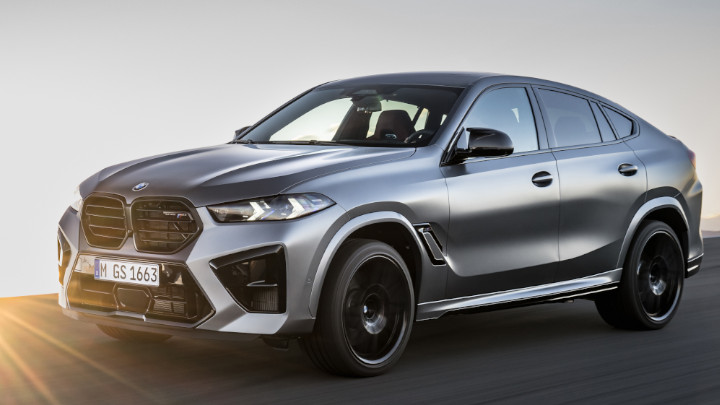
BMW X6 M
This one will eat through retirement savings like nobody's business. First 10 years of ownership? Looking at about $20,496 in maintenance and repairs. That's $8,000 more than most cars. Insurance can run over $3,500 a year. There's better than a 50-50 chance something major breaks.
Year five, repairs are averaging almost $1,900 annually. Year 10, over three grand. That twin-turbo V8 only BMW specialists can touch, which means dealer prices. Oh, and good luck getting in and out of that low, sloped thing without your knees reminding you how old they are.
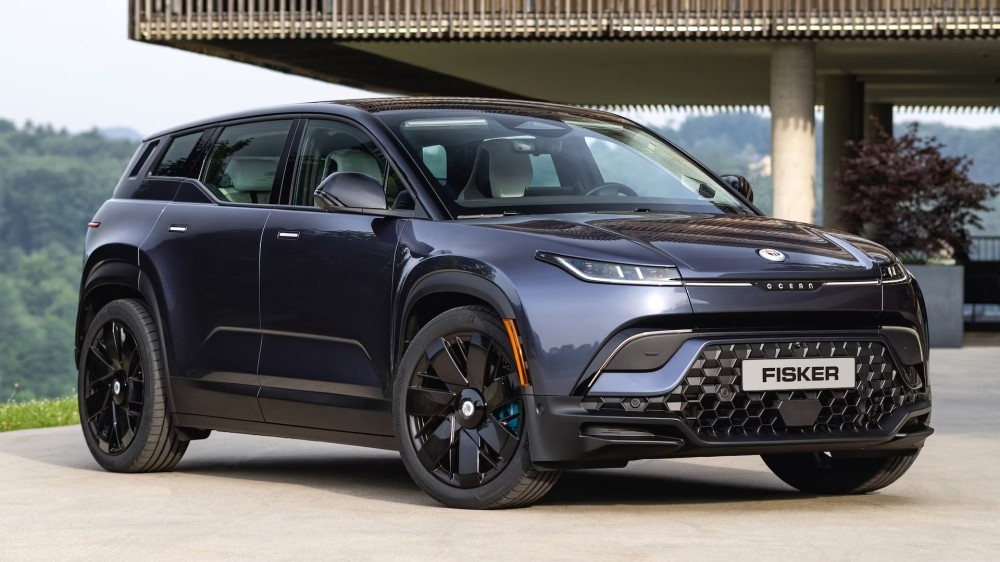
Fisker Ocean
Don't. Just don't. Fisker went belly-up in 2024. No parts. No service. No warranty. Nothing. It's a very expensive lawn ornament.
Nobody wants to buy one because how do you fix it when it breaks? Even if it runs perfectly right now, one software hiccup could turn it into a brick with zero recourse. Insurance companies are writing them off for fender benders because replacement parts literally don't exist anymore.
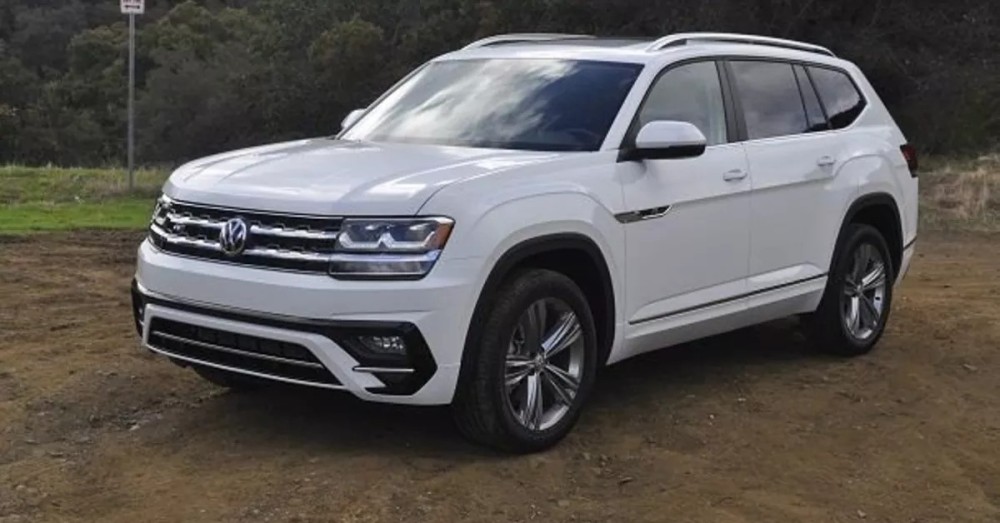
Volkswagen Atlas
Looks nice and roomy until the electrical system starts acting up. The 2018s were so bad they got a 1 out of 5 rating and triggered a lawsuit. Brakes going haywire, airbags not working, infotainment dying—pick your nightmare.
Fixing electrical stuff means dealer diagnostics and dealer pricing. Also, this thing is huge—like over 200 inches long. Parking anywhere remotely tight becomes an event. Not exactly the relaxing retirement life.
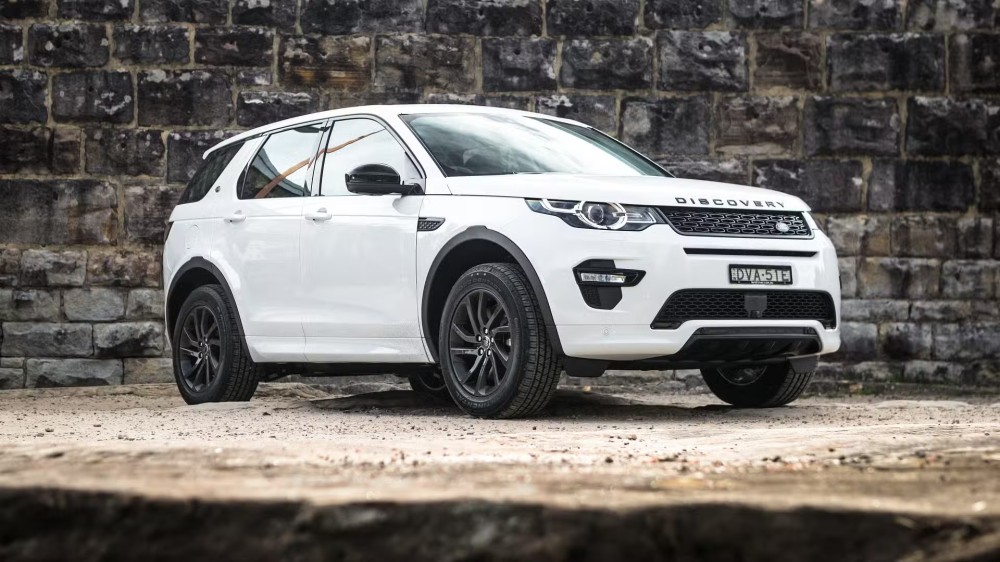
2018+ Land Rover Discovery Sport
Sounds fancy. Drives fancy. Breaks constantly. The turbo on the 2.0L engine is notorious for failing, and replacing it runs nearly $4,000. Sometimes the whole engine needs work if things go really bad.
Cooling systems like to quit too, which can kill the engine fast. Worst part is you never know when it'll happen. Runs great for months, then boom—two weeks in the shop. Not ideal when you've got plans.
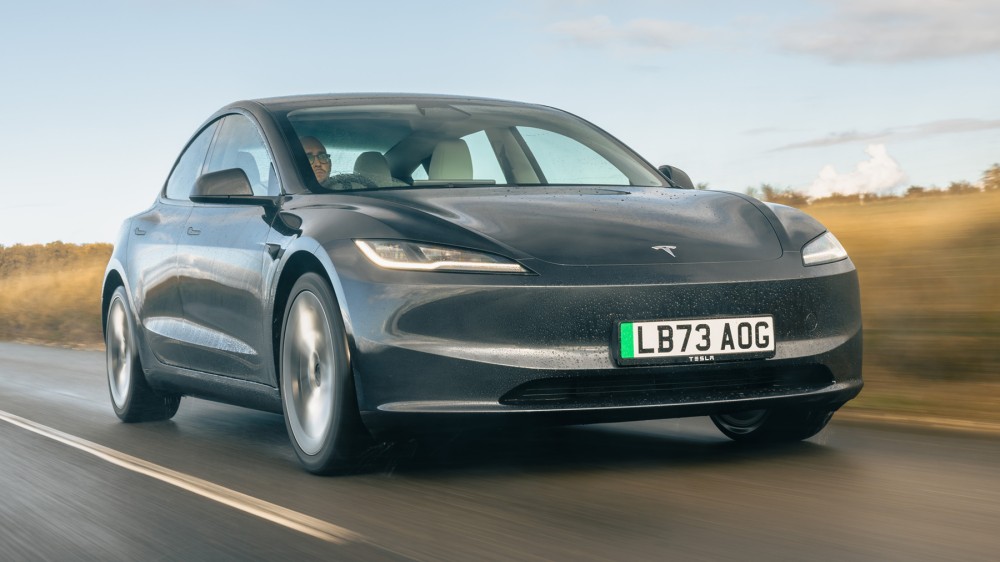
Tesla Model 3
Everything's in the touchscreen. Want to adjust the air? Navigate three menus while driving. Spent 40 years using buttons and knobs? Too bad, learn a whole new system.
Tesla also loves pushing updates that rearrange everything overnight. Finally figured out where something is? Update changes it. The regenerative braking thing feels weird too—car slows down when you lift off the gas instead of coasting like normal. Takes forever to get used to.
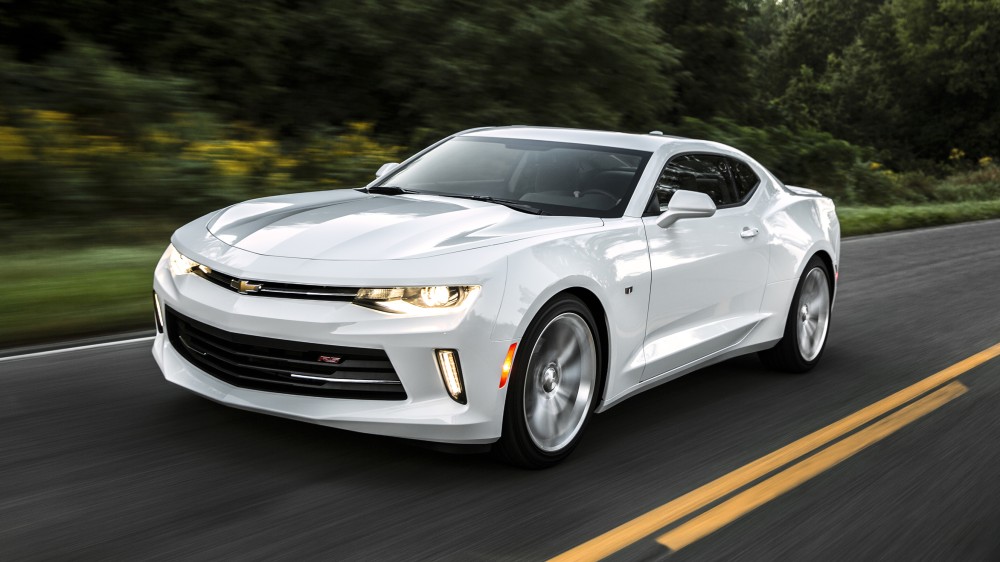
Chevrolet Camaro
They stopped making these in early 2024, so finding parts is only getting harder. GM's all-in on electric now, meaning Camaro stuff will dry up.
Bigger problem is actually using it day-to-day. Seats are ridiculously low. Getting in means folding yourself in half. Getting out means hauling yourself up. Visibility's garbage with that low roof—can't see anything. Two doors, so forget having passengers. Price tag was north of $30k and went up to almost $55k. Hard pass.
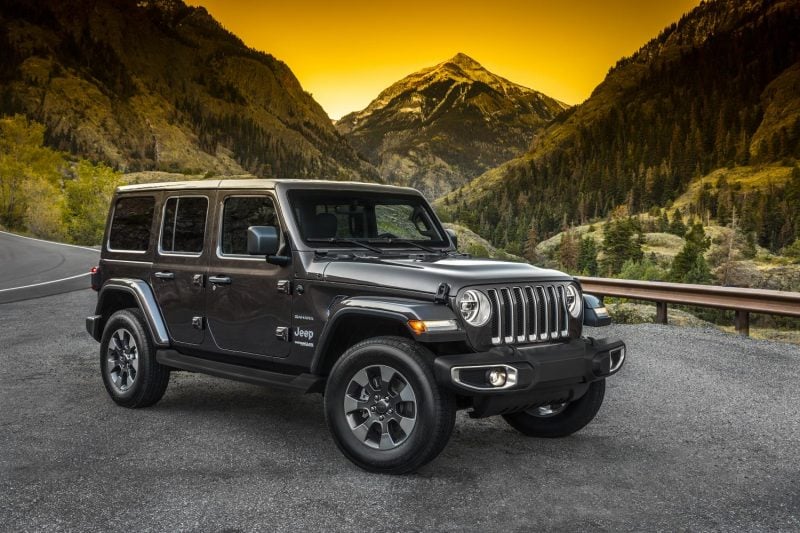
Jeep Wrangler Unlimited
Amazing off-road. Miserable everywhere else. Some versions get 13 MPG. Thirteen. That adds up quick on social security. Doors weigh a ton and need real muscle to swing open. High step-up even with running boards.
Loud inside constantly—wind, tires, everything. Rough ride on normal roads. Safety tech is either missing or not great. Four-wheel-drive system is complicated and expensive to maintain. It's built for trails, not grocery runs.
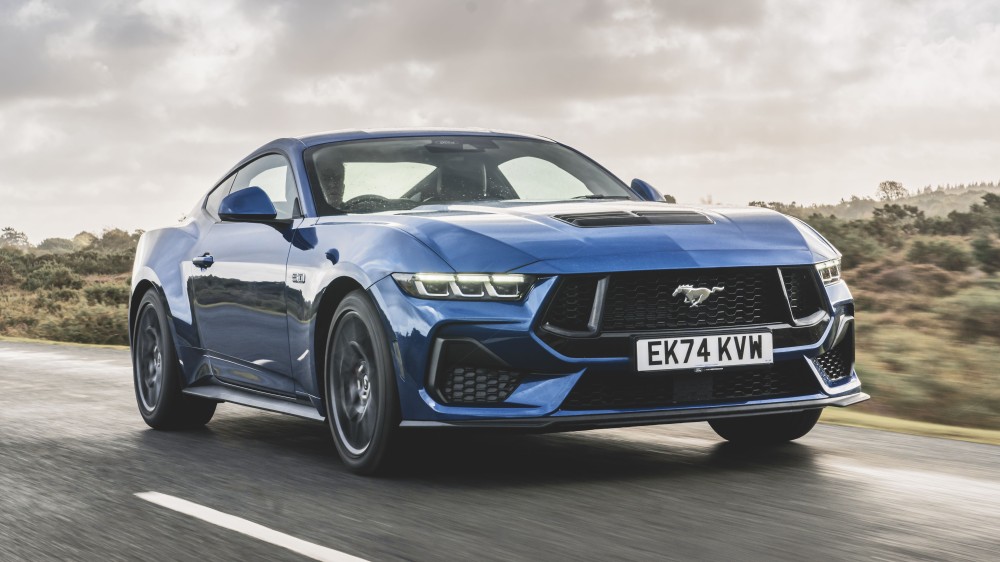
Ford Mustang
Same deal as the Camaro. Low seats mean climbing in and out is a whole production. Can't see much with that long hood and low roof. Blind spots galore, which gets sketchy fast for anyone whose reflexes aren't what they used to be.
Two-door layout means back seat's useless. New ones hide the climate controls in touchscreens instead of just having buttons. Cool car, terrible retirement vehicle.
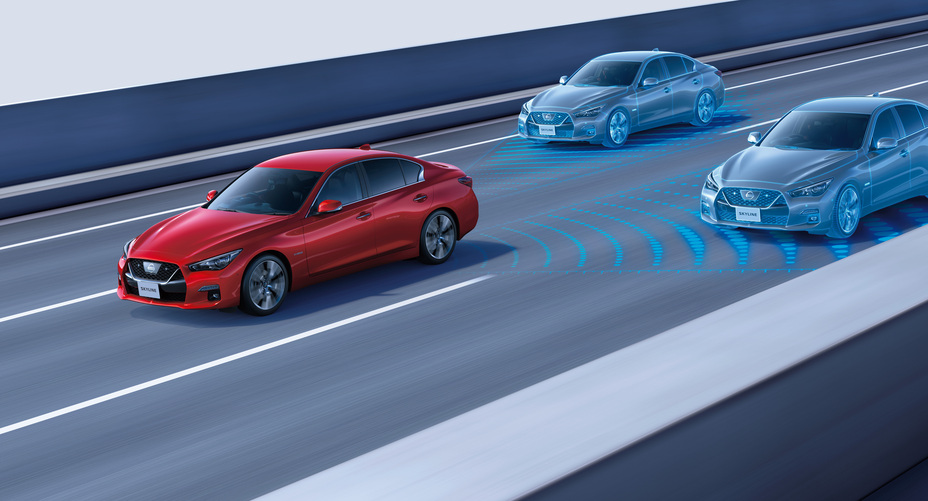
Nissan Altima with ProPILOT Assist
ProPILOT sounds great until it randomly shuts off in rain or construction zones or when lane lines are faded. Then you've gotta grab control fast, which isn't fun if reactions have slowed down.
Controls for it are confusing. System beeps constantly for everything. Eventually those beeps just become noise, which is bad when maybe one actually matters.
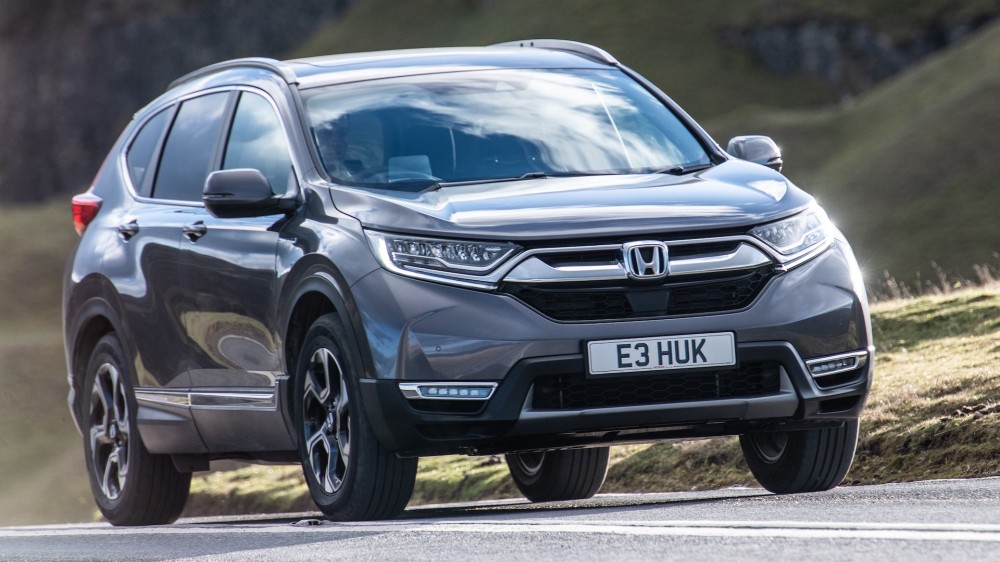
Honda CR-V (2020+)
Those thick pillars and tiny rear window create blind spots big enough to hide a whole car. Lane changes get dicey. For anyone who can't whip their head around quickly anymore, it's actually dangerous. Backup camera's not great either—grainy, especially at night, sometimes glitches to black and white.
Infotainment's all touchscreen, so basic stuff means menu diving instead of just turning a dial. Annoying and distracting.
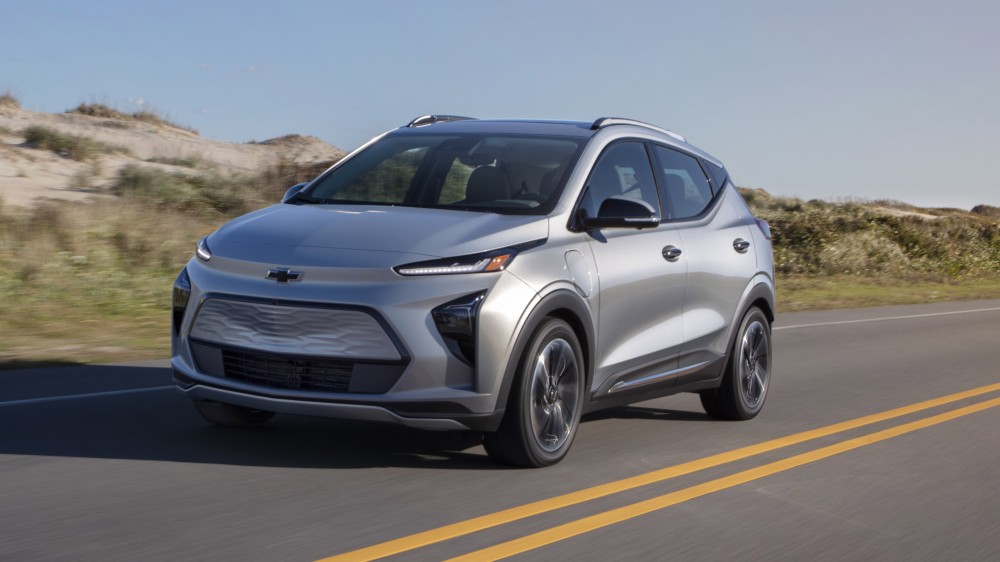
Chevrolet Bolt EUV
Had massive battery failures in 2021. Replacing the battery? About $16,000. Often more than the car's even worth. These just died without warning too.
One-pedal driving feels bizarre if you're used to normal cars. Takes ages to adapt. Range anxiety's real—what if there's no charger when you need one? Public charging's still hit-or-miss lots of places. Home charger installation runs thousands. Just a lot of hassle.
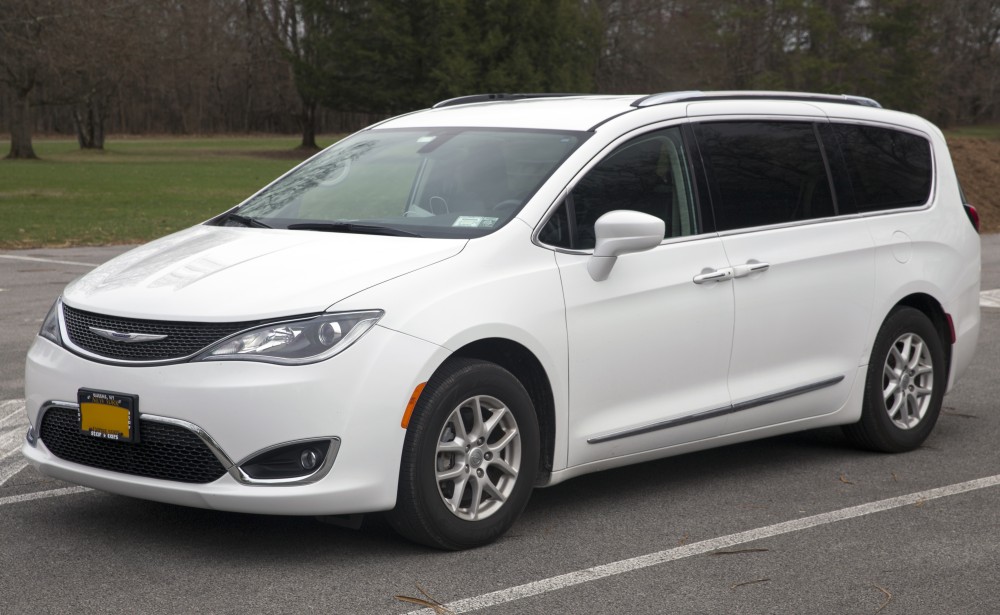
Chrysler Pacifica
Recent years have been rough—electrical gremlins, transmission problems, electronics dying. Plug-in hybrids even got recalled for fire risk. Consumer Reports isn't optimistic about the new ones either.
Living on a fixed budget and getting surprise $2,000 repair bills? That's a nightmare. Way better minivans out there if that's what's needed.
Why This Matters
Look, retirement's supposed to be the payoff for decades of work. Cars shouldn't be a source of stress or a drain on savings. These particular vehicles might work fine for some people, but for retirees who just want something dependable and easy? They're more trouble than they're worth. Plenty of good options out there that won't cause constant headaches.