The First 10 Minutes After a Car Accident Matter More Than Most People Realize
by AutoExpert | 17 May, 2026
Car accidents are strange.
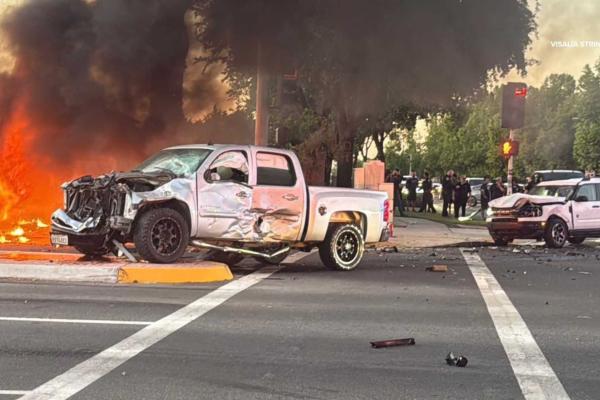
One second you’re thinking about dinner or traffic or whether you remembered to answer that email, and the next there’s crunching metal, airbags, smoke maybe, your heart hammering like you just sprinted up six flights of stairs. Everything suddenly feels loud and blurry at the same time.
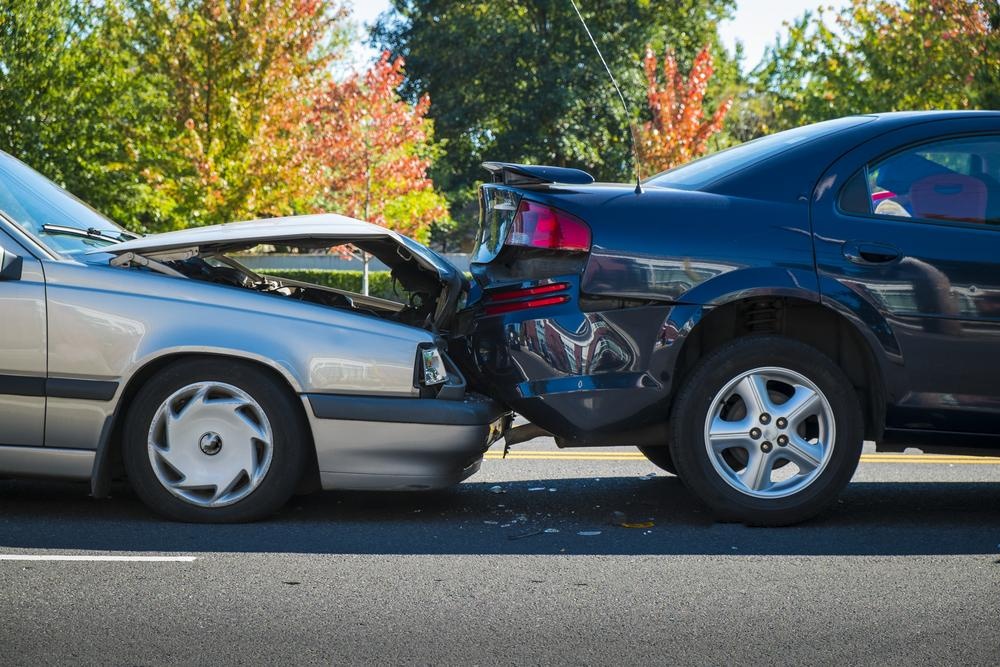
And honestly, that adrenaline is exactly why people make mistakes afterward.
Not because they’re careless. Their brain just temporarily turns into soup.
Which matters, because what you do in the first few minutes after a crash can seriously affect insurance claims, medical coverage, liability, all of it.
So here’s the stuff that actually matters.
First: stop the car. Sounds obvious, but panic makes people weird. Turn on the hazards. Take one slow breath before doing anything else. Then check yourself. Then your passengers.
If somebody’s hurt, call 911 immediately. And unless there’s immediate danger, like fire or traffic coming straight at you, don’t start dragging injured people around. Neck and back injuries are tricky. What feels “helpful” in the moment can accidentally make things worse.
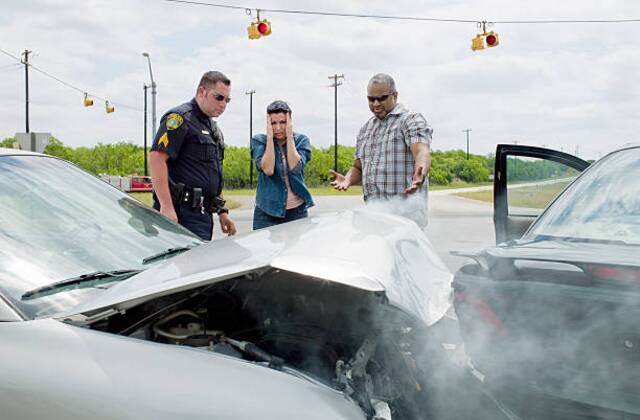
If the crash is minor and the cars can move safely, get out of traffic. Shoulder, parking lot, side street, wherever makes sense. Secondary accidents happen way more often than people realize because somebody’s standing frozen in the middle lane staring at a bumper hanging off.
Now here’s the part almost everybody messes up: documenting the scene properly.
Take way more photos than you think you need.
Wide shots. Close-ups. Damage. License plates. Road conditions. Traffic lights. Skid marks. Random debris. Weird angles. Basically turn into an amateur crime scene investigator for five minutes. Because later, when insurance companies start playing detective from air-conditioned offices, those photos suddenly become incredibly valuable.

And yes, absolutely call the police even for small accidents.
People love saying, “It’s just a little fender bender.” Cool. Until the other driver changes their story three days later and suddenly claims you reversed into them while texting and driving during an eclipse or something equally creative.
Police reports matter.
When the officer shows up, stick to facts. Calm, boring facts. Don’t start guessing speeds or explaining theories about what “probably” happened. Just explain what you directly saw and experienced.
Also, and this part is important: do not apologize.
Even if you’re polite. Even if you feel bad. Even if you’re the kind of person who apologizes when somebody else steps on your foot at Costco.
Saying “I’m sorry” at the scene can get interpreted as admitting fault later. Which is frustrating because normal humans say sorry automatically during stressful moments, but insurance companies don’t exactly specialize in emotional nuance.
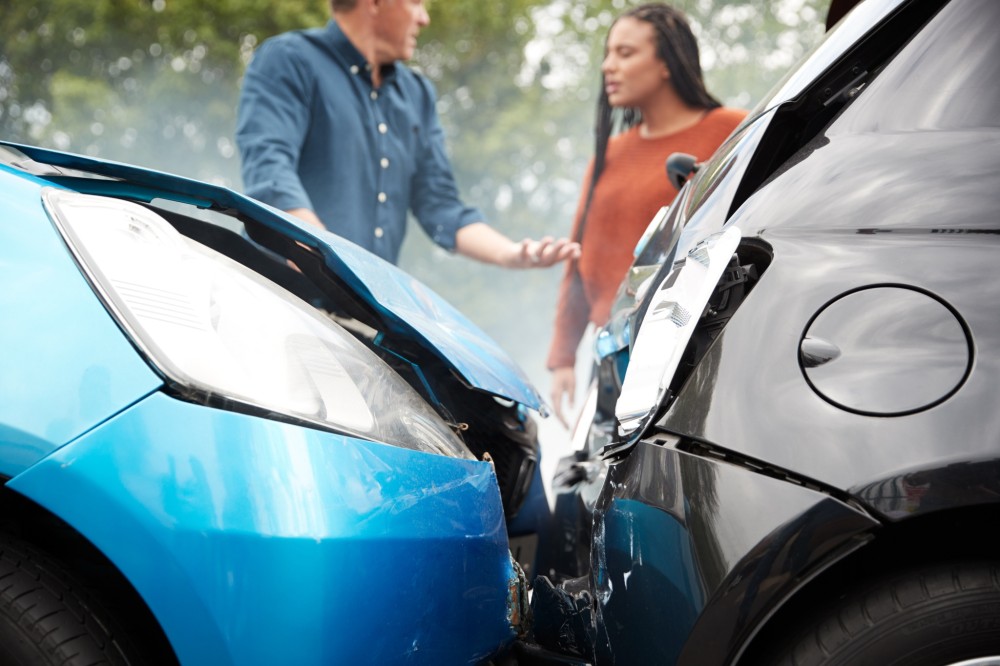
Exchange information, though obviously. Full name, insurance info, plate number, phone number, license. And if there are witnesses standing nearby watching the chaos unfold? Get their contact info too before they disappear forever into the parking lot dimension.
One thing people underestimate after accidents is delayed injuries.
You might feel completely fine at first because adrenaline is basically nature’s temporary painkiller. Then two days later your neck feels like somebody replaced your spine with wet concrete. Whiplash and soft tissue injuries are sneaky like that.
Which is why rushing to accept an insurance settlement immediately is usually a bad idea.
And if the situation gets messy, disputed fault, injuries, uninsured driver, insurance company acting suspiciously allergic to paying fairly, that’s when talking to a lawyer starts making sense. Especially because most personal injury attorneys only get paid if you recover money anyway.
The boring final piece nobody likes hearing: save everything.
Photos. Receipts. Medical paperwork. Tow invoices. Rental car costs. Emails. Texts. Claims numbers scribbled on napkins. Organization becomes weirdly important after crashes.
Because once the adrenaline fades and the real process starts, the people with documentation almost always end up in a better position than the people relying on memory.
And memory, unfortunately, is terrible under stress.