
Why Every New Car Suddenly Looks Exactly the Same
by AutoExpert | 22 May, 2026
Once you notice it, you can’t unsee it.
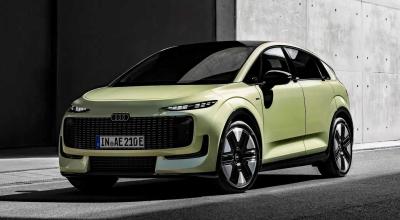
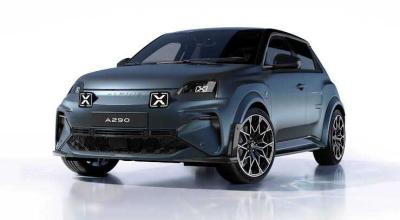
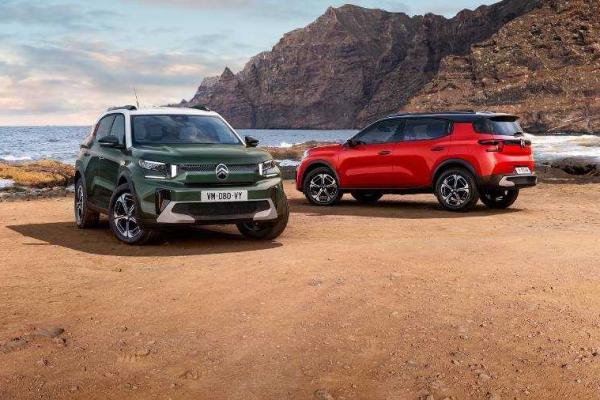
Walk through a random parking lot in 2026 and it starts feeling weirdly dystopian. Rows of anonymous crossovers. Same sloped roofline. Same angry LED strip headlights. Same swollen rear fenders. Same grayscale paint choices that make the entire lot look like somebody turned the world’s saturation setting down to 12%.
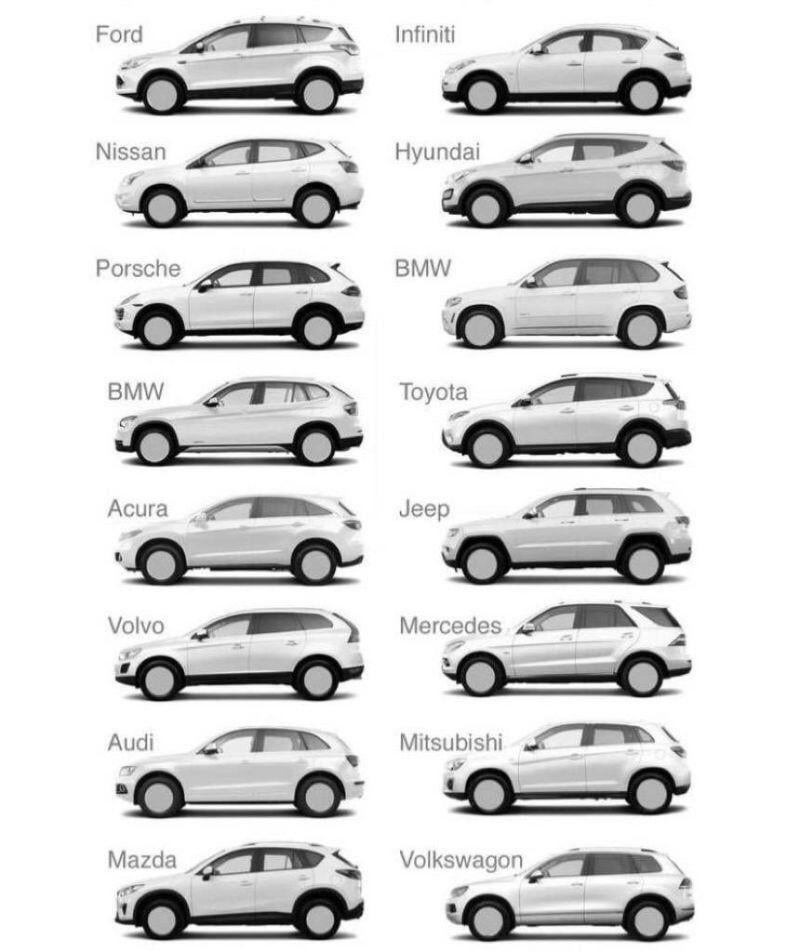
At some point you genuinely stop knowing which car is yours from fifty feet away.
And no, you’re not becoming boring with age. Modern cars really are blending together more than they used to.
Ironically, it’s not because designers suddenly forgot how to be creative. A lot of it comes down to physics quietly bullying the entire auto industry into conformity.
Aerodynamics is the biggest reason.
Every automaker is desperately chasing lower drag numbers now because tiny aerodynamic improvements translate directly into better fuel economy and, more importantly these days, more EV range. Even a small reduction in drag can mean extra miles from the same battery pack, which matters a lot when consumers already obsess over range numbers like fantasy football statistics.
The problem is physics has favorite shapes.
And unfortunately, physics loves blobs.
Smooth noses. Rounded edges. Sloping rooflines. Flush door handles. Narrow panel gaps. Tapered rear ends. The most efficient shape for slicing through air is not some dramatic wedge-shaped sports car fantasy. It’s basically a softened jellybean.
So when every automaker is optimizing toward the same aerodynamic targets, they inevitably start arriving at suspiciously similar-looking vehicles.
That’s why modern crossovers all seem related somehow, like distant cousins who shop at the same expensive athleisure store.
Then there’s the platform-sharing issue, which most people never think about.
Building an entirely unique car from scratch costs a ridiculous amount of money now, so manufacturers spread development costs by using shared platforms underneath multiple vehicles across multiple brands.
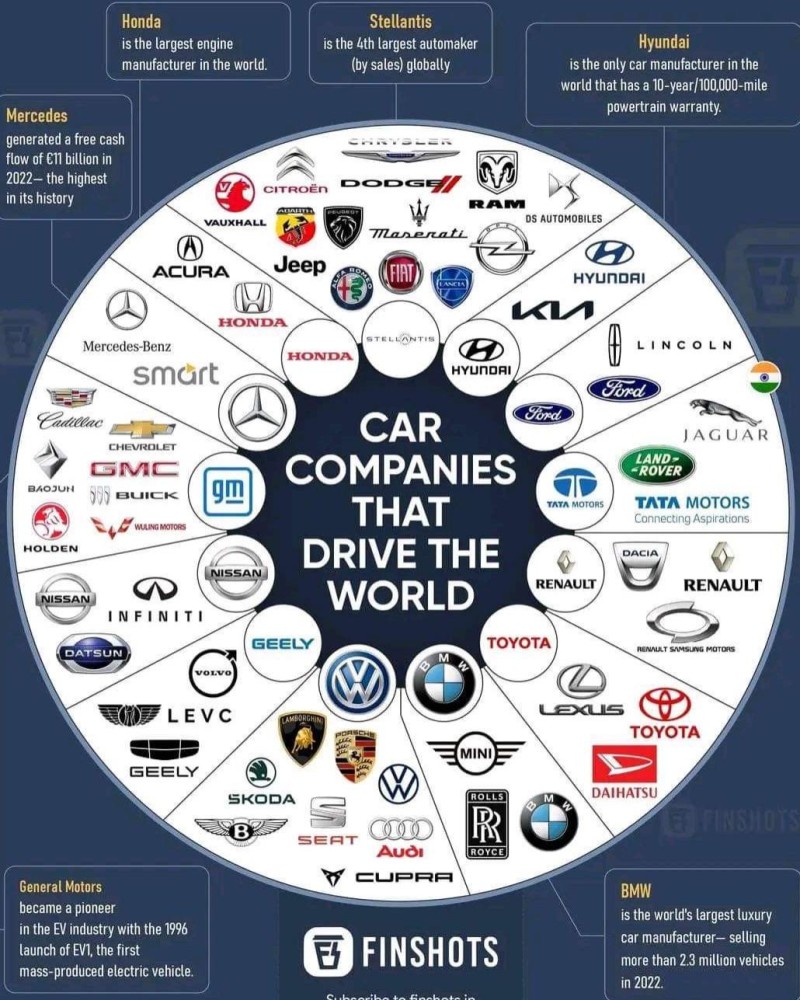
Volkswagen Group is probably the most famous example. The same core architecture underneath one vehicle might also underpin an Audi, a Volkswagen, a Skoda, and sometimes even a Porsche. Different styling outside, same skeleton underneath.
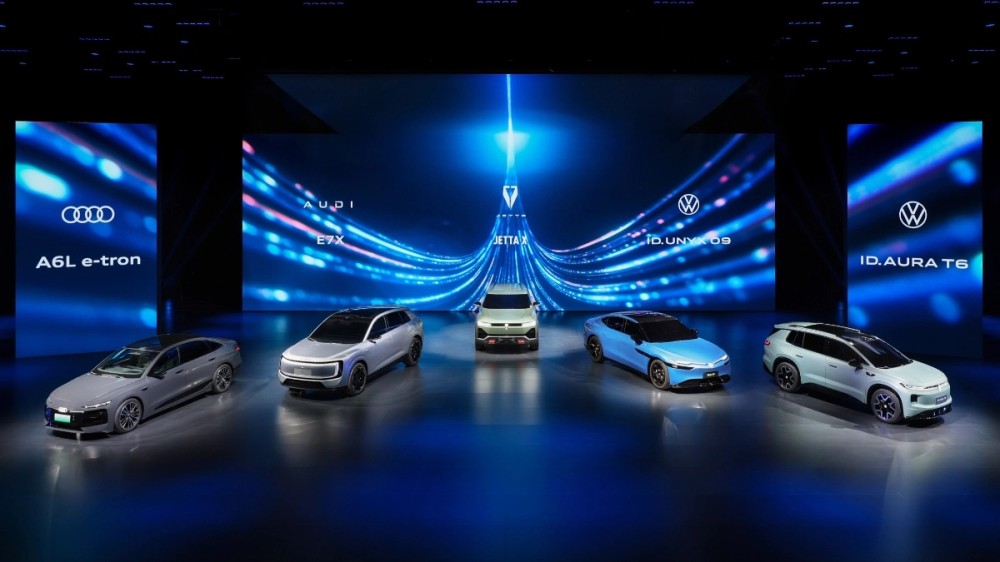
And once wheelbases, proportions, crash structures, and mounting points are locked in, designers only have so much freedom left before everything starts looking suspiciously familiar.
It’s basically the automotive version of apartment renovations. Different furniture. Same floorplan.
Global markets make things even safer and more sanitized too.
A modern car has to appeal to buyers in California, Germany, South Korea, the Middle East, Scandinavia, everywhere simultaneously. Which means companies aggressively avoid designs that feel too culturally specific or polarizing.
The result is styling carefully engineered not to offend anybody.
Unfortunately, that often means it excites nobody either.
A lot of modern cars feel like the visual equivalent of hotel lobby artwork. Pleasant enough. Professionally designed. Completely forgettable three minutes later.

Safety regulations deserve some blame too, honestly.
Pedestrian impact standards changed front-end design massively over the years. That’s why modern vehicles often have taller hood lines and chunkier noses than older cars did. Crash requirements also dictate roof strength, pillar thickness, crumple zones, visibility standards, all kinds of stuff that quietly limits how wild proportions can become.
People complain modern cars feel “fatter” than older ones because... well, structurally, they kind of are.
And then there’s the color situation.
Good lord, the colors.
Something like three-quarters of modern cars globally are sold in white, black, gray, or silver now. Entire highways look like grayscale photography projects.
Partly it’s resale anxiety. Buyers know neutral colors are safer financially later. Partly it’s because manufacturers charge absurd premiums for interesting paint now. Sometimes over a thousand dollars extra just to escape fifty shades of accountant gray.
And honestly? Modern owners are scared of standing out a little.
Which is sad because older car eras were way more fun visually. Deep greens. Burnt oranges. Weird blues. Wild interiors. Somebody in the 1970s absolutely approved mustard-yellow upholstery with full confidence and honestly I respect the chaos.
There are still a few brands resisting the blandification process, though.
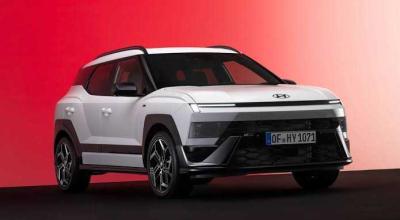
Hyundai has been making some genuinely weird design choices lately, which in today’s market almost feels rebellious. BMW keeps producing controversial styling decisions that start internet wars every time a new grille appears. Some EV startups are experimenting with proportions that wouldn’t work with traditional gas-engine layouts too.
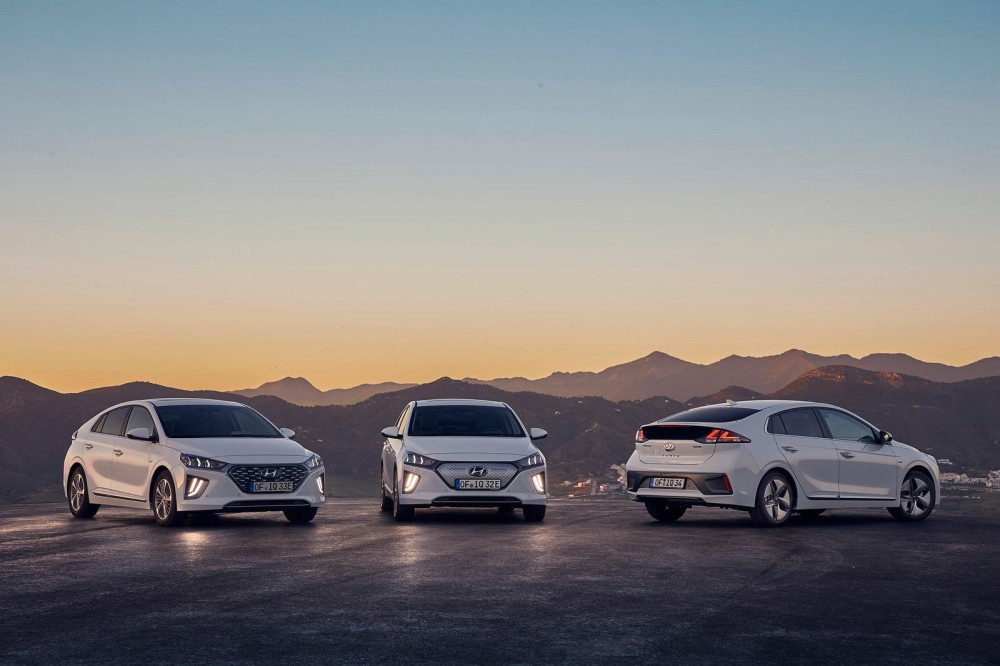
But overall, the forces pushing cars toward sameness are incredibly powerful now. Aerodynamics. Shared platforms. Global market research. Safety rules. Manufacturing costs. Everybody gets slowly pulled toward the middle.
So if you’ve been standing in parking lots lately clicking your key fob repeatedly trying to figure out which gray crossover belongs to you... honestly, that’s not on you anymore.
The cars genuinely are starting to merge into one giant automotive species.