Why Your Car Might Suddenly Slam on the Brakes for No Reason
by AutoExpert | 25 May, 2026
You're driving along minding your business, maybe halfway through a podcast, maybe thinking about literally nothing, and suddenly your car decides the apocalypse is happening.
BAM.
The brakes hit hard enough to launch your iced coffee into the dashboard. Nobody's in front of you. The road is clear. The driver behind you is now way too close for comfort and probably questioning your sanity.
Welcome to phantom braking. Which sounds fake until it happens to you the first time and takes three years off your life.
The weird part is your car genuinely thinks it's helping.
Modern vehicles are packed with automatic emergency braking systems now, basically little electronic watchdogs constantly scanning the road with cameras and radar sensors. Most of the time they work brilliantly. They catch distracted moments humans miss. They've prevented countless crashes already.
But occasionally? The system gets spooked by absolutely nothing.
Or at least nothing dangerous.
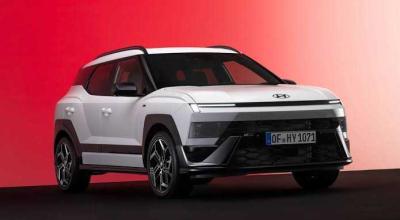
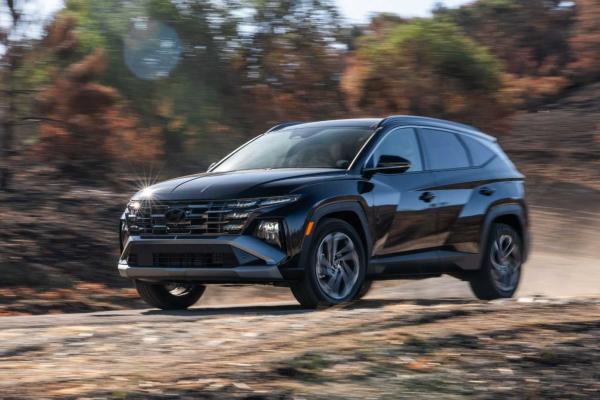
And lately the issue is back in the spotlight because Hyundai just recalled over 421,000 vehicles tied to phantom braking concerns. Specifically certain 2025 and 2026 Hyundai Santa Cruz and Tucson models, including hybrid versions.
That's... a lot of nervous highway moments.
According to the recall, the forward collision system can apply the brakes earlier than intended. Which is corporate language for "your SUV might randomly decide an invisible obstacle is trying to kill you."
If you own one of those vehicles, don't spiral into panic mode. Hyundai's working on the fix, and checking whether your specific vehicle is affected takes maybe two minutes. Just head over to NHTSA recalls page and type in your VIN number, that long 17-character code sitting near the windshield or inside the driver's door jamb.
Done.
Now here's the interesting part: phantom braking usually isn't caused by broken hardware. It's often caused by confusion.
Cars today "see" the world through sensors, and sensors can misinterpret things in ways humans never would. Overpasses are a huge trigger. So are metal road signs, strong shadows across lanes, reflective guardrails, weird sunlight angles around sunrise and sunset. Sometimes a car ahead changes lanes suddenly and your vehicle briefly thinks there's an obstacle directly in front of you.
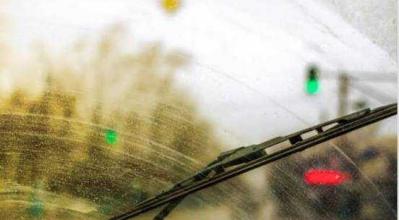
Heavy rain messes with systems too. Snow can. Fog. Dirty sensors. Even heat shimmer on the pavement in summer has triggered false readings before.
Basically your car's safety brain occasionally has anxiety.
And honestly, the frustrating irony is that phantom braking exists because these systems are trying so hard to save lives. The software is programmed to react aggressively rather than hesitate during potential collisions. Engineers would rather deal with occasional false alarms than risk the system ignoring a real emergency at 70 mph.
Makes sense logically.
Feels horrifying emotionally.
If it happens to you, the biggest thing is not to overreact. Keep both hands on the wheel. Check traffic around you. Once you've confirmed the road ahead is clear, smoothly get back on the accelerator and continue driving.
And maybe breathe for a second because your heart rate probably just hit CrossFit levels.
Following distance matters more than ever now too. A lot of drivers still tailgate like it's 2004 and cars aren't randomly assisted by nervous robot copilots. Leave space. If your car brakes suddenly, that gap behind you becomes incredibly important.
Also, report the incident if it keeps happening. Seriously.
The National Highway Traffic Safety Administration depends heavily on owner complaints to identify patterns. Enough reports from regular drivers are exactly what trigger investigations and eventually recalls like the Hyundai one. Your annoying random brake slam today could help force a software fix tomorrow.
The bigger picture here is kind of fascinating though. Cars are entering this awkward teenage phase technologically where they're smart enough to intervene, but not yet smart enough to always interpret the world correctly. So we get these weird moments where the car's instincts technically come from good intentions... but the execution feels mildly possessed.
That'll improve over time. The systems already get better every year.
Until then? Keep your sensors clean. Stay updated on recalls. Leave extra room on highways.
And maybe keep the coffee cup a little farther from your lap.