
Road Salt Is Quietly Destroying Your Car From Underneath
by AutoExpert | 19 May, 2026
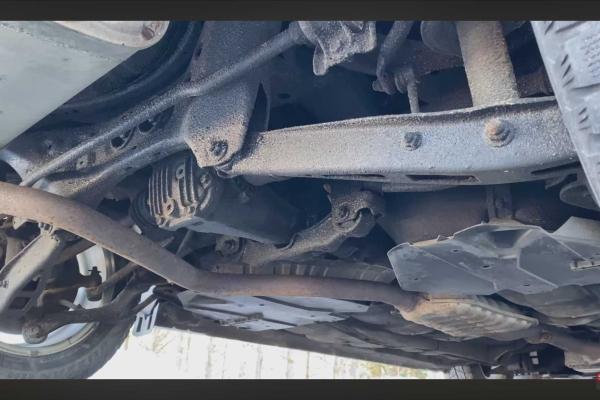
Most people obsess over paint scratches and tiny door dings while the real destruction is happening somewhere they almost never look.
Underneath the car. That’s where winter quietly goes to work.
Salt. Slush. Wet grime. All that nasty gray road soup gets blasted into your undercarriage every single day once cold weather shows up, and over time it absolutely chews through metal. Brake lines rust. Suspension parts crust over. Fuel lines start looking suspicious. Then one day your mechanic points underneath the car with a flashlight and says something expensive.
Which is why DIY car undercoating has such a cult following in places where winter actually means winter.
And honestly? It’s one of the few car projects that gives huge long-term payoff for surprisingly little money.
Dealerships love selling undercoating packages because the profit margins are borderline hilarious. Some places charge over a thousand bucks for something that, realistically, you can handle yourself in an afternoon with basic supplies, old clothes you don’t care about, and a tolerance for crawling around on the garage floor muttering at spray cans.
The trick is choosing the right type.
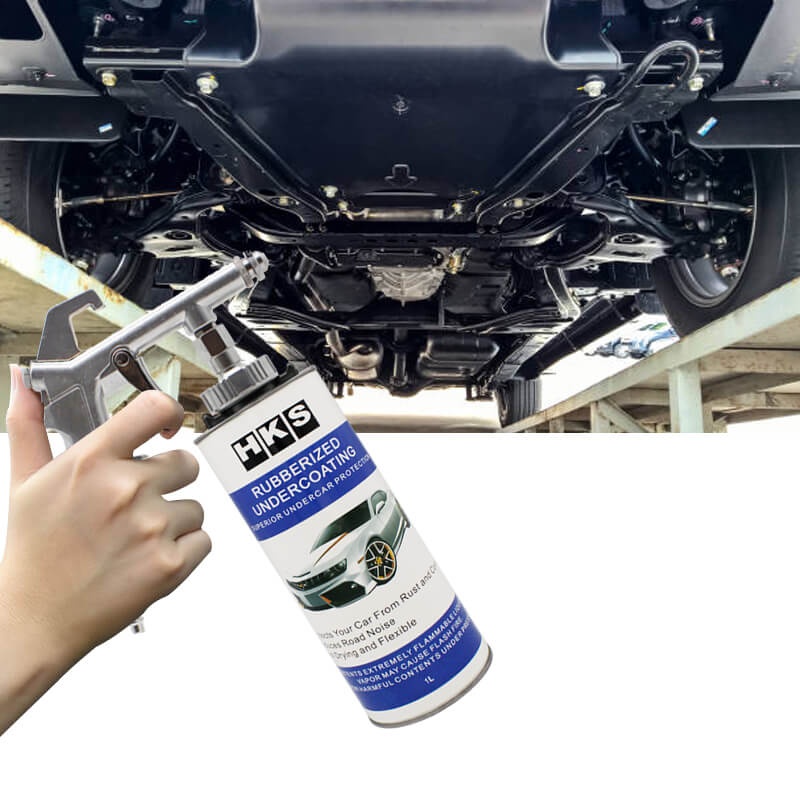
Rubberized undercoating is the stuff most people picture first. It dries into this thick protective layer that basically acts like armor against water and salt. Works great on newer vehicles or clean metal. Not so great if rust already exists underneath because trapping moisture under rubber is... well, bad. Very bad.
Then there’s oil-based undercoating, which honestly feels weird at first because it never fully dries. Products like Fluid Film stay kind of oily and creep into seams, cracks, and rusty spots. Mechanics in snowy states swear by this stuff. Your undercarriage ends up looking permanently damp, but the rust progression slows way down.
It’s messy though. Fair warning. You’ll smell it for a couple days afterward too.
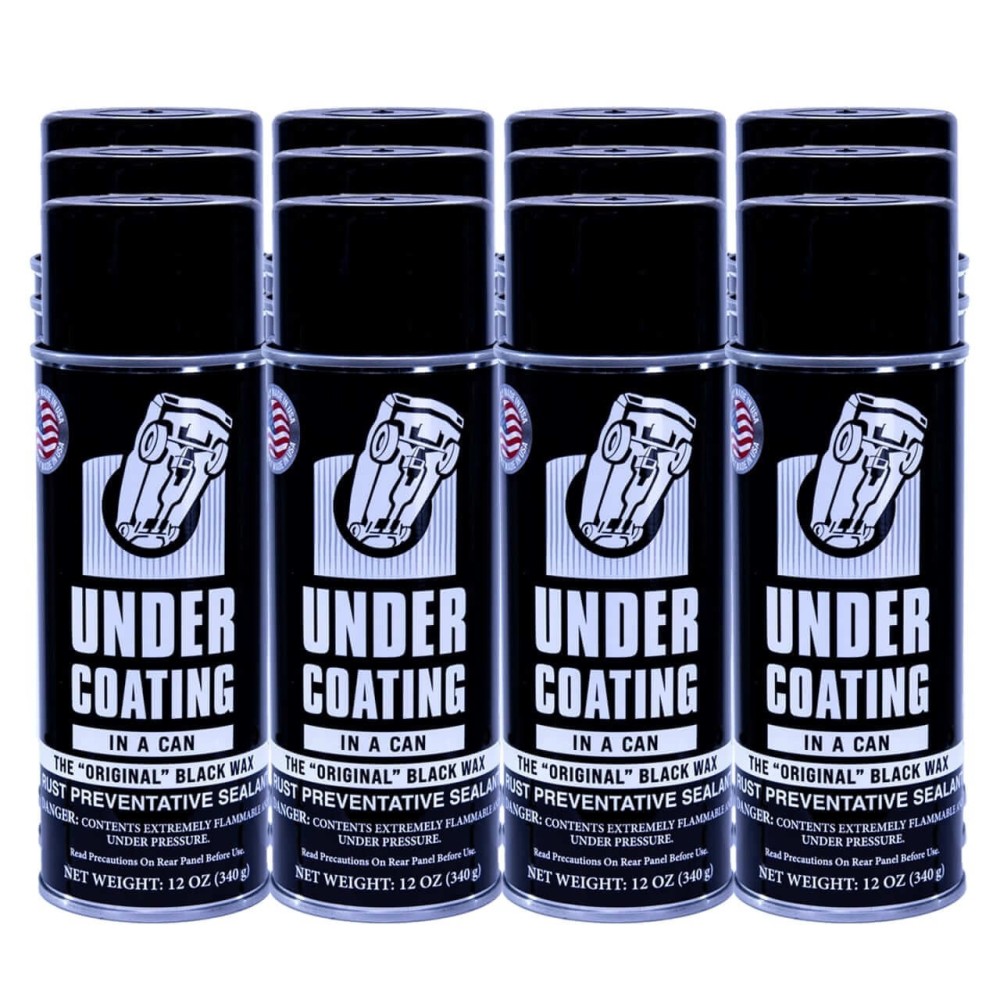
Wax-based coatings sit somewhere in the middle. Easier to apply. Pretty forgiving. Good for hidden cavities where water likes to collect and quietly cause emotional damage to your vehicle over time.
The actual process is less complicated than people expect.
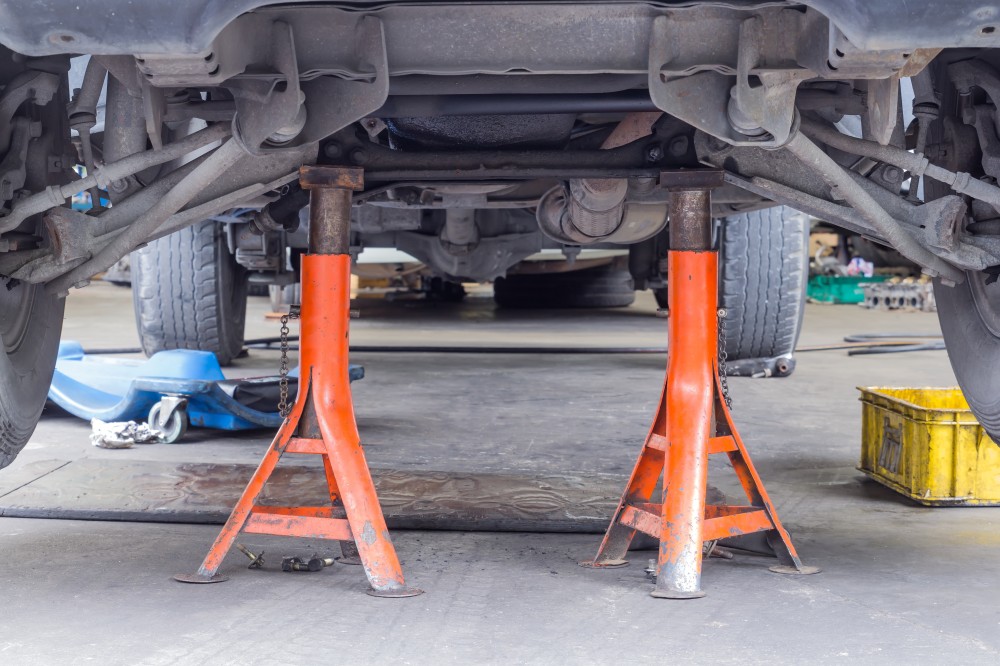
You jack the car up safely, and please actually use jack stands because becoming part of the driveway permanently is not the goal here. Then clean the underside thoroughly. Pressure washer helps a ton. You want dirt and salt gone before spraying anything.
And this part matters more than people realize: let it dry completely.
Seriously.
If you spray coating over trapped moisture, congratulations, you just created a tiny rust greenhouse underneath your own car.
Once dry, spray evenly. Thin coats. Don’t panic if it doesn’t look dramatic immediately. Wheel wells deserve extra attention because they take constant abuse from road debris. Seams and exposed metal too.
Also, maybe obvious, but don’t spray your exhaust or catalytic converter unless you enjoy the possibility of burning chemical smells and terrible decisions.
The whole thing usually takes three or four hours if you’re moving casually and stopping occasionally to question your life choices while lying under a suspension arm.
But compared to replacing rusted-out brake lines or dealing with structural rust later? Completely worth it.
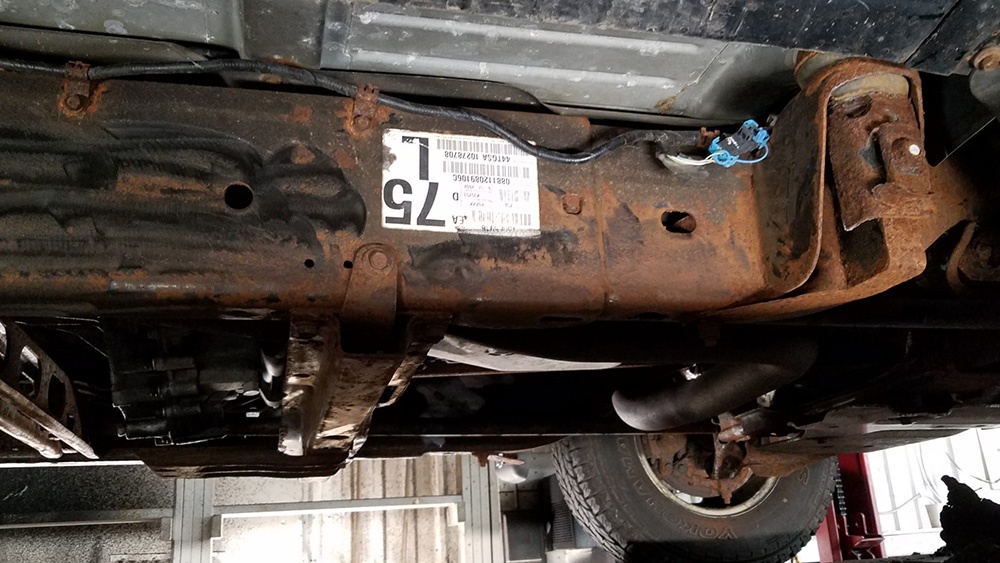
Especially now.
Because modern cars cost so much that keeping one alive an extra five years suddenly matters a lot more than it used to. People aren’t casually replacing vehicles every three years anymore unless they’ve got unusually strong feelings about monthly payments.
Honestly, if you live somewhere that salts roads heavily and you plan on keeping your car long-term, undercoating is less of an optional enthusiast project and more of a survival strategy.
Future you will be grateful. Probably while staring at a rust-free undercarriage during an inspection and feeling weirdly proud of a decision nobody else can even see.