

Florida Is Building a Highway That Charges Your EV While You Drive
by AutoExpert | 21 May, 2026
For years, wireless charging roads sounded like one of those flashy “future of transportation” ideas that always ended up trapped inside tech conference animations narrated by someone with an impossibly calm voice.
You know the type. Futuristic city. Glowing blue roads. Nobody stuck in traffic somehow.

And then nothing ever actually gets built.
Except now... one of these roads is real. Like, crews-on-site, asphalt-going-down real.
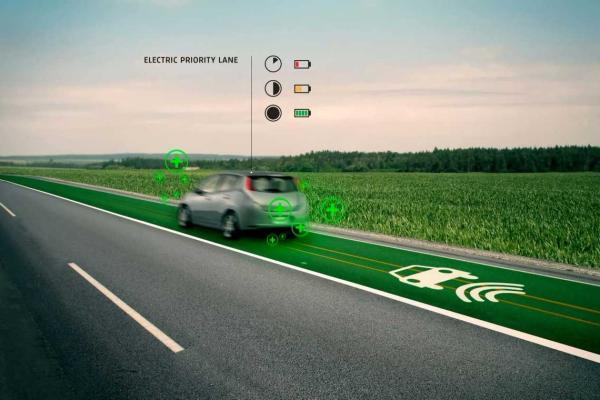
Florida is currently building a stretch of highway that can wirelessly charge electric vehicles while they’re driving over it. No plugging in. No stopping at chargers. Just moving down the road normally while electricity transfers into the battery underneath the car.
Honestly, it sounds fake even when you know it’s true.
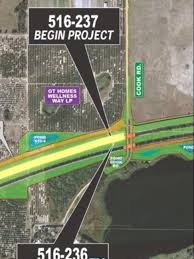
The project is part of State Road 516, a new 4.4-mile roadway connecting parts of Central Florida between Lake and Orange counties. Buried underneath roughly three-quarters of a mile of that road will be inductive charging coils capable of sending up to 200 kilowatts of power into compatible EVs as they drive.
Basically: the pavement itself becomes the charger.
And weirdly enough, the technology behind it isn’t even that complicated conceptually.
If you’ve ever dropped your phone onto a wireless charging pad at 1% battery while praying it survives another Uber ride, you already understand the core idea. It’s the same principle, just massively scaled up.
Copper coils installed underneath the asphalt create a magnetic field. Vehicles equipped with special receivers underneath the chassis capture that energy and convert it back into electricity for the battery.
No physical contact needed.
The company handling the system is ENRX, which landed a contract reportedly worth around $13.6 million to build Florida’s version of the tech.
And no, this first version won’t fully recharge your EV in one quick pass like some sci-fi movie sequence where cars magically gain infinite range.
Not yet anyway.
The immediate goal is more practical than dramatic. Think maintaining range during long drives rather than replacing charging stations completely. Even adding small amounts of power while moving changes the equation for EV ownership pretty significantly over time.
Because range anxiety is still real, no matter how confidently EV marketing departments pretend otherwise.
A lot of drivers still quietly worry about battery percentage the same way people panic-check airplane boarding passes every six minutes at airports.
But imagine highways eventually having dedicated charging lanes stretching for miles. Your battery slowly replenishes while cruising normally. Road trips stop revolving around charger availability. Maybe future EVs even need smaller batteries because roads themselves help maintain charge levels.
That’s the bigger vision hiding underneath this Florida pilot project.
And honestly? Once you think about it for more than five minutes, it starts sounding less crazy and more inevitable.
The road itself is also loaded with other modern infrastructure ideas too. Solar-powered systems. Wildlife crossings. Shared-use paths for cyclists and pedestrians. It’s basically Florida trying to build a “future highway” starter pack all at once.
Construction is happening in phases now, with broader completion expected around 2029.
So no, you can’t drive on it tomorrow.
But the important thing is this crossed the line from “interesting prototype” into “actual public infrastructure.” That changes the conversation completely.
Because historically, once transportation technology gets physically built into roads, cities, and highways, it tends to stick around.
People laughed at charging stations once too.
Now gas stations are quietly installing them in parking lots everywhere while pretending not to notice the future arriving.
And somewhere in Central Florida, workers are literally burying part of that future under fresh asphalt.