That Weird 17-Character Code on Your Windshield Can Expose a Car’s Entire Past
by AutoExpert | 19 May, 2026
Most people have seen their car’s VIN number a hundred times and never once cared about it.
It’s just... there. Sitting at the bottom corner of the windshield collecting dust while you wait for the defroster to wake up on freezing mornings.

But that little strip of letters and numbers? It knows basically everything about your car.
Where it was built. What engine it left the factory with. Whether the model year is fake in a sketchy Craigslist ad. Sometimes even whether the vehicle you’re looking at might be stolen.
Honestly, once you understand how a VIN works, used-car shopping starts feeling very different.
The VIN, or Vehicle Identification Number, is basically your car’s DNA. Every modern vehicle gets a unique 17-character code, and manufacturers pack an absurd amount of information into it.
The first few characters tell you where the car came from.
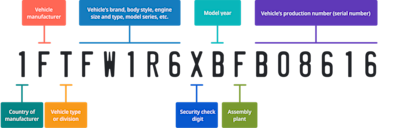
A VIN starting with “J” means Japan. “W” is Germany. “K” is South Korea. Numbers starting with “1,” “4,” or “5” usually mean the United States. So if somebody’s advertising a “German-built luxury car” and the VIN says otherwise... well. Awkward.
Then the middle section gets weirdly specific.
Engine type. Trim level. Body style. Transmission setup. Safety equipment. It’s all hidden in there like some nerdy automotive secret language. Manufacturers use those characters internally to identify exact configurations, which is why two cars that look identical from the outside can still have different VIN breakdowns underneath.
The ninth character is probably the coolest part though.
That one’s called the check digit, and it exists specifically to catch fraud. It’s generated using a mathematical formula based on all the other VIN characters. Basically the VIN verifies itself. If somebody changes a few characters trying to fake a vehicle’s identity, the check digit usually exposes it immediately.
Which matters because VIN cloning is absolutely a real thing.
Stolen cars sometimes get assigned copied VINs from legitimate vehicles so they can be resold more easily. And honestly, some scammers are disturbingly good at it. If you ever notice weird-looking VIN plates, mismatched rivets, scratches around the VIN area, or numbers that don’t match across the car’s paperwork, leave. Immediately. Don’t “think about it.” Just go.
One of the most useful VIN tricks is checking recalls.
You can plug your VIN directly into NHTSA’s recall lookup tool and instantly see whether your specific car has open recalls attached to it. Not just the model generally. Your actual vehicle.
Which is important because people drive around with unresolved recalls constantly. Airbags. Fuel pumps. Fire risks. Some owners genuinely have no idea.
And if you’re buying used? Running the VIN through services like NICB VINCheck or NMVTIS can uncover salvage history, odometer inconsistencies, theft records, flood damage, title washing, all kinds of ugly surprises sellers conveniently “forgot” to mention.
And yes, odometer fraud still happens way more often than people think.
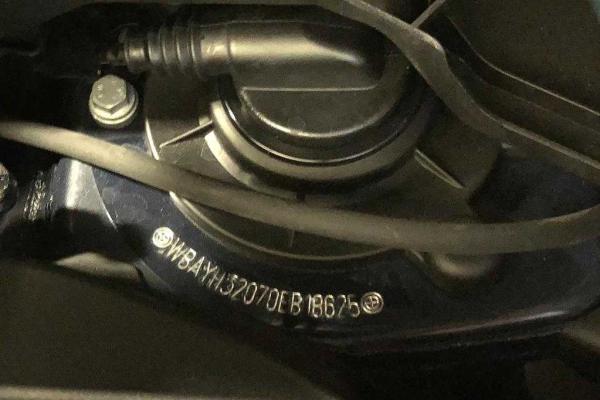
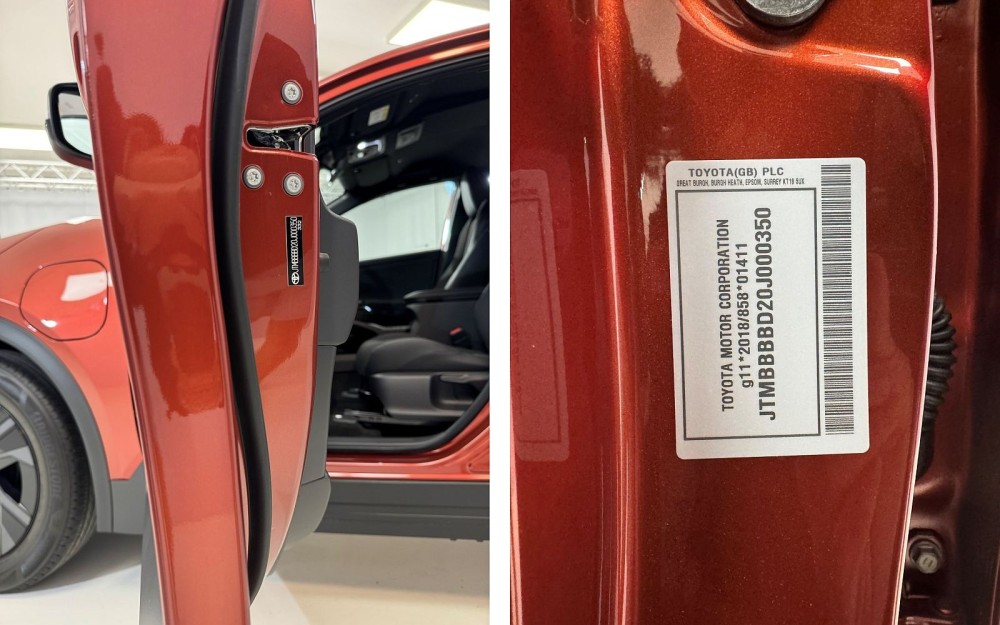
One thing I always find funny is how many drivers don’t realize the VIN appears in multiple places around the car. Dashboard. Door jamb. Insurance paperwork. Registration. Sometimes even stamped into components under the hood.
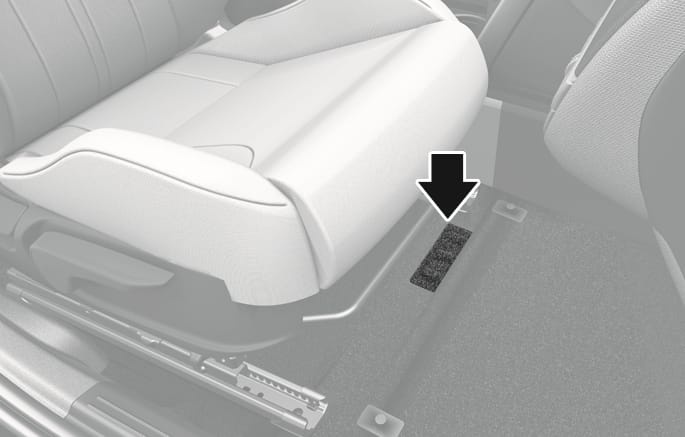
And every single one should match perfectly.
If they don’t? Congratulations, you’ve discovered a massive red flag.
The weird beauty of VIN numbers is that they look meaningless until suddenly they aren’t. Once you know how to read them, you stop seeing random characters and start seeing a vehicle’s entire backstory hiding in plain sight.
Which honestly feels a little like unlocking cheat codes for car ownership.