
Summer Is Secretly Killing Your Car Battery Right Now
by AutoExpert | 22 May, 2026
Everybody blames winter when a car battery dies.
The freezing morning. The weak crank. The sad little clicking noise that instantly ruins your day before coffee. People act like cold weather personally hunts batteries for sport.

But honestly? Winter mostly gets framed for a crime summer committed months earlier.
Heat is the real battery killer.
And not in some vague “hot weather is hard on cars” kind of way. Legitimately, scientifically, chemically destructive.
Your battery is basically a plastic box full of controlled chemical chaos. Inside are lead plates sitting in a bath of sulfuric acid and water, constantly reacting every time the car starts, charges, idles, or powers electronics. When temperatures climb, those reactions speed up dramatically.
Which sounds helpful at first.
More energy! Faster reactions! Science!
Except the faster reactions also evaporate the battery fluid more quickly and accelerate internal corrosion. So your battery slowly cooks itself all summer long while you’re busy worrying about sunburn and whether the AC feels weaker than last year.
Then January arrives.
Now that heat-damaged battery suddenly has to crank thick cold oil through a freezing engine at 7 a.m., and that’s when it finally taps out dramatically in a grocery store parking lot like it’s been betrayed by life itself.
But summer started the process.
That’s the part most people don’t realize.
And modern cars honestly make this worse in some ways because there’s so much electrical demand happening all the time now. Huge infotainment screens. Cameras. Sensors. Driver-assistance systems. Giant displays glowing like nightclub interiors. Cars quietly consume way more electricity today than they used to.
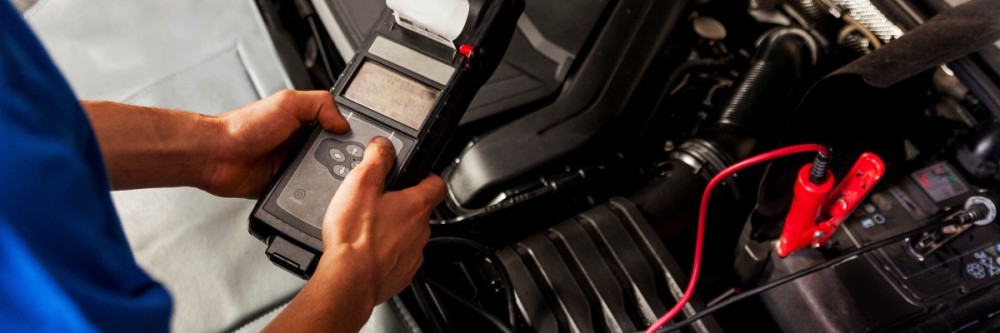
Meanwhile under the hood? Temperatures get brutal.
If you live somewhere consistently hitting 95 degrees or more, your engine bay basically becomes an oven every afternoon. Arizona batteries especially live short, difficult lives. Honestly, surviving five years there deserves some kind of medal.
Most batteries realistically last around three to five years, but extreme heat can shorten that timeline fast. Sometimes shockingly fast.
The annoying part is batteries usually give almost no warning before dying either. One day everything feels normal. Next morning? Dead silence and immediate inconvenience.
Which is why preventative stuff matters more than people think.
And thankfully, none of it is complicated.
First thing: get the battery tested before peak summer hits. Most auto parts stores do it free because they secretly hope you’ll buy a battery afterward anyway. Fair trade honestly.
If the battery’s already three or four years old, testing becomes even more important because aging plus heat is kind of a toxic relationship mechanically speaking.
If your battery has removable caps, check the fluid levels too. Not every modern battery allows this anymore, but older ones often do. Low fluid means the internal plates get exposed, and exposed plates corrode faster than politicians lose credibility online.
Use distilled water only if topping it off. Not tap water. Tap water minerals mess with the chemistry inside and batteries are surprisingly picky about that.
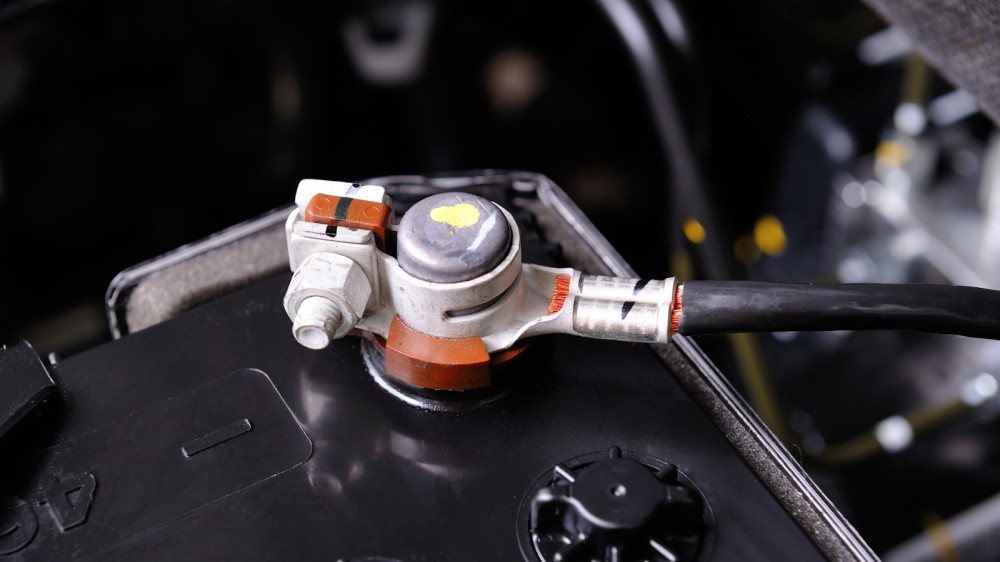
Corrosion on the terminals matters too.
That fuzzy blue-green crust building around the battery posts? That’s resistance. Resistance creates charging problems. Charging problems create stress on the battery and alternator. Suddenly a tiny maintenance issue snowballs into “why is my car dead outside Target?”
Thankfully it’s an easy fix. Baking soda. Water. Wire brush. Five minutes. Mild sense of accomplishment afterward.
Parking in the shade genuinely helps too, even though it sounds almost insultingly obvious.
People underestimate how much direct sunlight affects under-hood temperatures. A shaded parking spot can make a meaningful difference over time. Garage is best obviously, but even partial shade helps reduce thermal punishment.
And if you own a second car that mostly sits around collecting dust and existential sadness, get a battery maintainer. Those little trickle chargers are cheap insurance against dead batteries from long-term sitting.
Honestly, batteries are weird because they’re one of the most ignored parts on a car until the exact second they ruin your schedule completely.
Nobody thinks about them while they work.
But when they fail? Suddenly your entire life pauses around this heavy little box full of acid and disappointment.
Which is why spending ten minutes checking it now beats standing beside a dead car in August heat waiting for a tow truck later.