
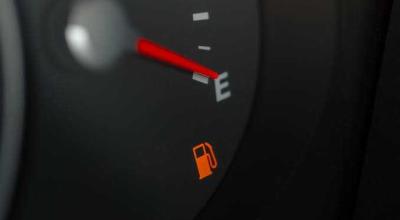
Why does the low-fuel light sometimes come on early? Some vehicles base their warning on estimated driving range, so higher fuel consumption can trigger it with more fuel still in the tank. The warnin
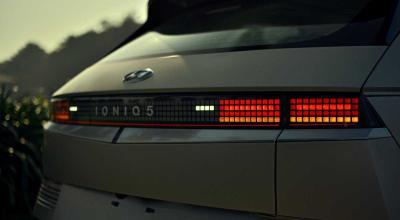
In a conventional car, the relationship between the brake pedal and the brake lights feels reassuringly simple. Press the pedal and the red lamps illuminate. Release it and they go dark. Drivers be
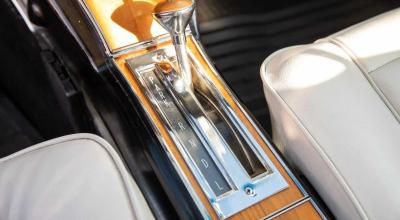
A driver can move between unfamiliar modern cars and still understand the transmission selector within seconds. Park sits at one end, followed by Reverse, Neutral and Drive. Lower ranges, manual modes
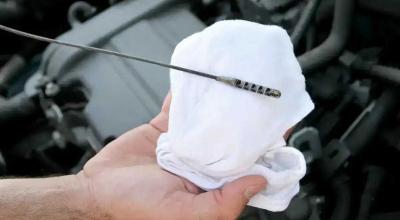
An engine can be low on oil and sound perfectly content. It may start normally, idle without complaint and carry the car through the morning commute. The driver sees no smoke, hears no knocking and re
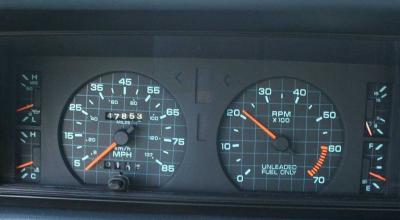
Open the door of an American-market performance car from the early 1980s and something may appear terribly wrong. There is the dramatic driving position, a powerful engine and perhaps a body design
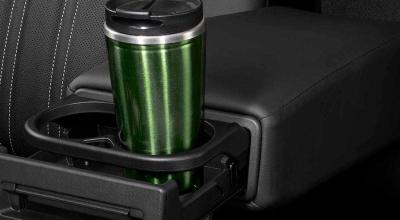
The automobile conquered continents, crossed deserts and survived two world wars before anyone decided it desperately needed a secure place for a paper cup. For much of automotive history, drivers
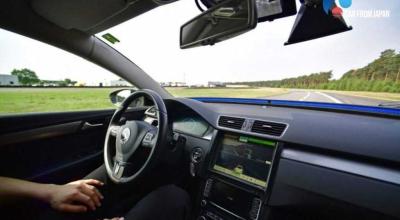
Turn into a side street, loosen the grip slightly and the steering wheel begins feeding itself back through the hands. The front wheels straighten, the car settles into its lane and the driver rarel
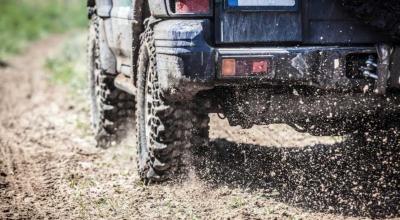
Cruise control feels wonderfully precise on a flat highway. Set it to 65 mph and the speedometer settles into place, leaving the car to handle the small adjustments that a human ankle normally makes.
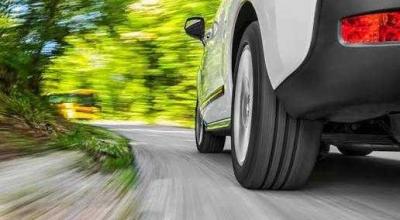
The car drifts gently toward the shoulder, and suspicion immediately falls on the alignment. That is understandable. A car should travel where it is pointed, and anything that seems to tug at the s
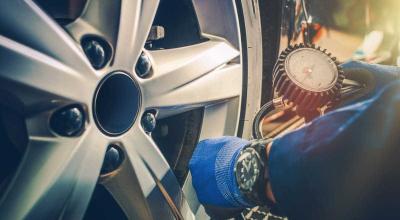
The tires were set perfectly that morning. Then, after a long stretch of highway, the pressure display shows every one of them sitting several pounds higher. Out comes the gauge. Sure enough, the d