
Cruise Control Is Set to 65, So Why Is the Car Doing 72 Downhill?
by AutoExpert | 6 August, 2026
Cruise control feels wonderfully precise on a flat highway. Set it to 65 mph and the speedometer settles into place, leaving the car to handle the small adjustments that a human ankle normally makes.
Then the road begins descending.
The speed creeps up to 67. Then 69. By the time it reaches 72, the driver is staring at the dashboard and wondering whether the car has forgotten the agreement.
Usually, nothing has broken. The problem is that cruise control and gravity do not always negotiate on equal terms.
A set speed is not necessarily a speed limit
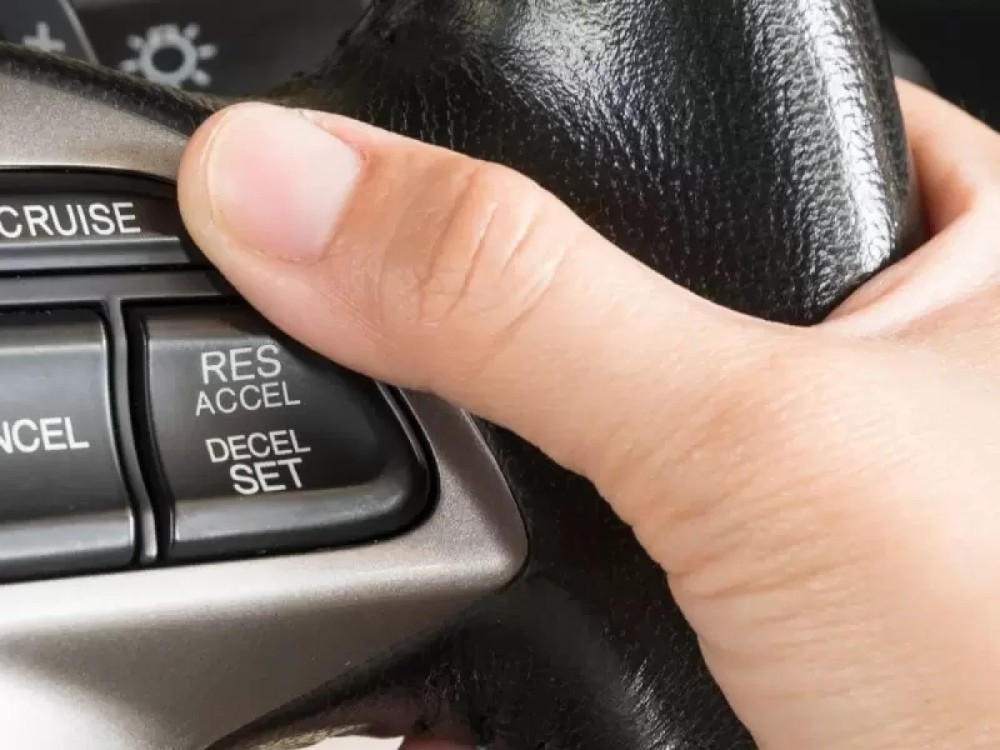
Traditional cruise control maintains speed mainly by adjusting the accelerator. When the car slows on an incline, the system opens the throttle. When it begins moving faster, it reduces or closes the throttle.
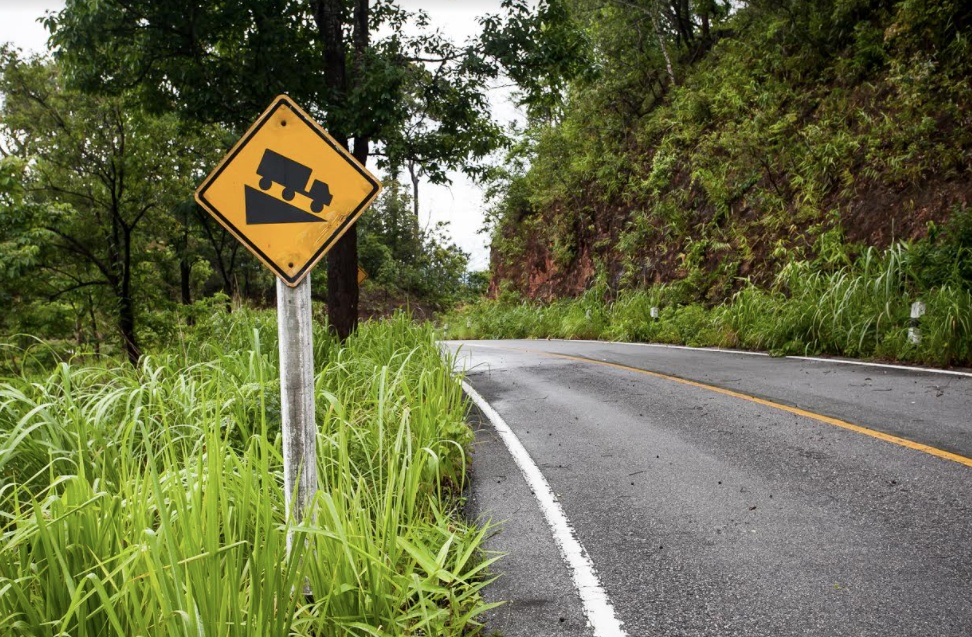
On level ground, that works beautifully. On a steep descent, taking away the accelerator may not be enough. The engine is no longer pushing the car forward, but several thousand pounds of vehicle are still being pulled downhill.
Some cars will downshift automatically to create more engine braking. Others will allow the speed to climb until the driver touches the brake. Older or simpler cruise-control systems generally do not apply the service brakes themselves.
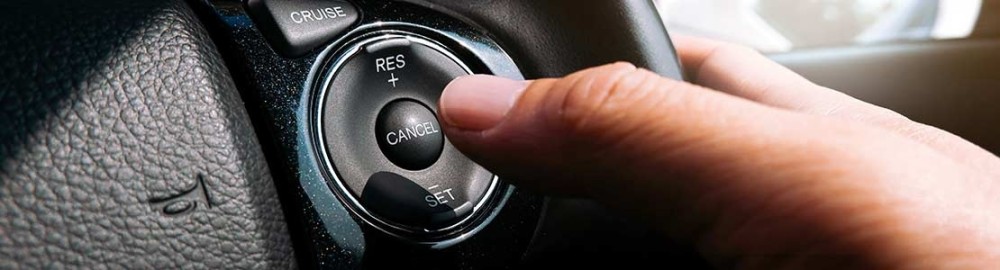
Honda’s conventional cruise-control guidance acknowledges that a car may be unable to hold a constant speed on hills and instructs the driver to use the brakes if speed increases downhill. Pressing the brake pedal normally cancels cruise control immediately.
This catches drivers out because the displayed setting looks so definite. The number means the speed the system is trying to maintain under suitable conditions. It does not guarantee that the car will never travel faster.
Newer systems can brake, but assumptions are risky
Adaptive cruise control adds radar, cameras or both so the vehicle can respond to slower traffic ahead. Many of these systems can also use the brakes to control speed on a descent.
That sounds like the end of the problem, but the details vary enormously.
Some adaptive systems apply only limited braking. Others can use stronger braking but may still allow a small increase on a steep grade. Certain models downshift before touching the brakes. Some older adaptive systems brake for detected traffic but do not necessarily brake simply to maintain the set speed while coasting downhill.
Even within one manufacturer’s range, the behavior can differ between models and generations. Honda documentation for some vehicles warns that adaptive cruise will not brake to maintain speed on steep descents. Guidance for other Honda systems states that braking may be applied, although the vehicle can still exceed the selected speed.
The name on the button is therefore less useful than the explanation in the owner’s manual.
What the driver should do
If the car begins gaining too much speed, press the brake and take control. There is no prize for waiting to see how ambitious the cruise-control system feels that day.
On a long descent, repeatedly riding the brakes can build heat. Selecting a lower gear or an appropriate downhill mode can allow the engine or electric motor to help control speed, but the correct method depends on the vehicle. The owner’s manual should explain which gear positions or drive modes are intended for descending hills.
Hybrids and electric vehicles add regenerative braking to the mix. They may initially slow strongly while returning energy to the battery, then reduce regenerative braking when the battery is full, cold or otherwise unable to accept as much power. That change can make the car feel unexpectedly eager on the same hill it handled neatly the day before.
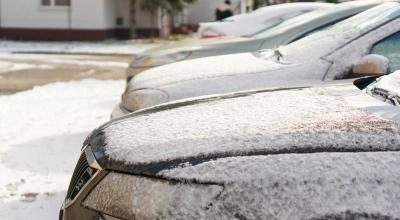
Cruise control should also remain off on slippery roads. If the tires begin losing grip in rain, snow or ice, automatic throttle or braking inputs may make the situation harder to manage. Steep, winding descents demand attention that cruise control was never designed to replace.
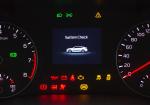
A small difference between the selected and actual speed may be normal on a hill. A large or unexplained surge on level ground deserves more attention. A sticking accelerator, faulty speed sensor, transmission problem or cruise-control fault should not be dismissed as gravity, particularly if braking does not cancel the system normally.
Cruise control is very good at relieving the dull work of holding a steady speed across open highway. It is still an assistant, though, and not an especially gifted mountaineer. When the road drops away, the driver remains responsible for keeping the speedometer out of trouble.